
Plants
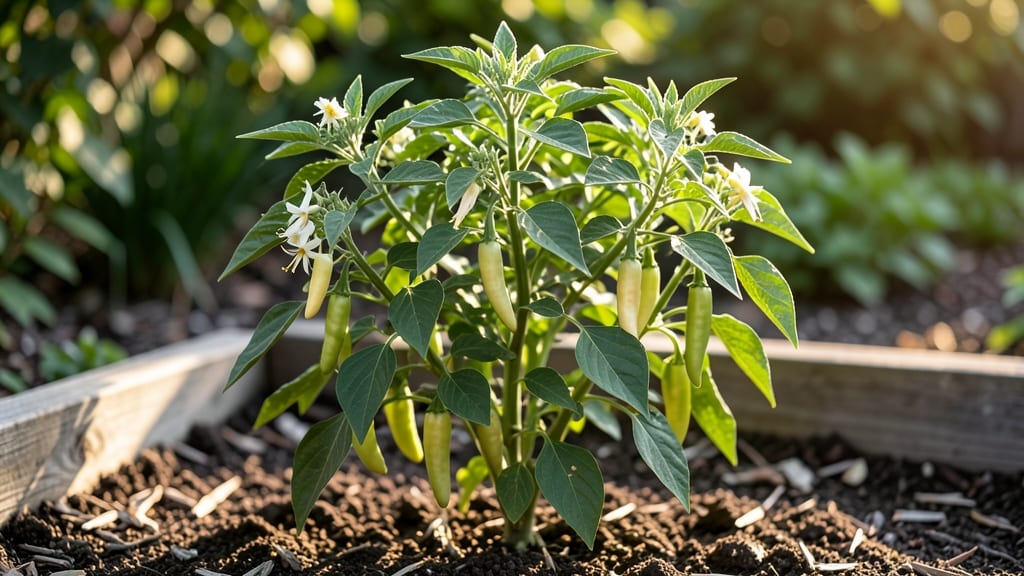
Wondering how tall do Cubanelle pepper plants grow? They reach a compact height of 2–3 feet, making them perfect for small gardens, containers, or even sunny windowsills.
If you’re dreaming of a bountiful harvest but lack sprawling garden space, these slender, sweet peppers could be your perfect solution. Their manageable size means you can tuck them into tight corners, balcony planters, or even repurpose old pots—without sacrificing flavor.
But knowing their mature height and growth habits is key to planning your layout and maximizing your yield.
Unlike their taller cousins, Cubanelle peppers stay neatly within 24–36 inches, with a bushy structure that thrives in well-drained soil and full sun. This makes them ideal for gardeners in USDA Zone 6a or warmer, where space is at a premium.
Whether you’re planting in spring or extending the season with containers, their predictable growth means fewer surprises and more predictable harvests.
In this guide, you’ll learn how to space them correctly, support their growth, and even prune for bigger yields—so you can enjoy restaurant-quality peppers without the sprawl. Ready to grow?


Cubanelle pepper plant height: exact growth range and space requirements
If you're planning your garden layout, knowing the exact mature height of Cubanelle pepper plants is crucial. Unlike their taller cousins like banana peppers, these peppers stay compact and bushy, typically reaching 18–24 inches tall at maturity.
This makes them perfect for containers, raised beds, or small urban gardens where space is limited. Their upright, branching structure also allows for better air circulation around fruit, reducing disease risks.
The Cubanelle pepper's height is one of its biggest advantages for gardeners with limited space. Unlike bell peppers that can stretch up to 36 inches or more, Cubanelles stay manageable while still producing high yields of sweet, slender peppers.
Their bushy growth habit means they spread about 12–18 inches wide, making them ideal for tightly packed garden beds or even large pots.
| Characteristic | Specification |
|---|---|
| Mature Height | 18–24 inches |
| Spread (Width) | 12–18 inches |
| Soil Depth Needed | 12–18 inches deep |
| Spacing (In-Ground) | 18–24 inches apart |
| Container Size | 5-gallon minimum |
| Sunlight Needs | 6–8 hours daily |
When planting Cubanelles, soil depth is just as important as spacing. These peppers need at least 12–18 inches of deep, well-draining soil to support their root system and prevent nutrient deficiencies.
If you're growing in containers, ensure your pots are at least 5 gallons in size—this gives roots room to spread while maintaining stability. Smaller containers can work, but you'll need to water more frequently and fertilize consistently.
For optimal air circulation and disease prevention, space Cubanelle plants 18–24 inches apart when growing in the ground. In containers, you can plant 2–3 plants per 5-gallon pot, but avoid overcrowding, which can lead to fungal issues like powdery mildew.
If your garden space is extremely limited, consider vertical growing techniques like trellises or cages to maximize vertical space without sacrificing yield.
The compact growth habit of Cubanelles also makes them ideal for intercropping with other small plants. You can tuck them between rows of bush beans, lettuce, or herbs without competing for space.
This is especially useful in square-foot gardening layouts, where every inch counts. Just be mindful of their water and nutrient needs, as they can outcompete shallow-rooted plants if not monitored.
One common mistake gardeners make is underestimating the mature height of Cubanelles, especially when starting them indoors. Seedlings may look tiny, but they grow quickly once transplanted.
If you're growing them in small containers or tight spaces, prune the lower leaves to encourage upward growth and prevent overcrowding at the base. This also improves light penetration to lower branches, leading to more even fruit production.
For container gardening, choose pots with drainage holes and fill them with a lightweight, well-draining potting mix enriched with compost. Cubanelles thrive in slightly acidic to neutral soil (pH 6.0–7.0), so test your soil before planting.
If you notice stunted growth, it could be a sign of root-bound conditions or nutrient deficiencies, which can be corrected with a balanced fertilizer like 10-10-10 applied every 4–6 weeks during the growing season.
If you're growing Cubanelles in raised beds or in-ground gardens, mulch around the base to retain moisture and suppress weeds. A 2–3 inch layer of organic mulch also helps regulate soil temperature, which is especially beneficial during hot summer months.
Avoid mulching too close to the stems, as this can trap moisture and promote rot or disease.
Finally, remember that pruning and pinching can help control height and encourage bushier growth. Remove any suckers or excessive side shoots to direct energy toward fruit production.
With the right spacing, soil depth, and care, your Cubanelle plants will stay within their ideal 18–24 inch height range while producing a bountiful harvest of sweet, flavorful peppers.
With their compact size and high yield potential, Cubanelle peppers are a gardener's dream for small spaces. Whether you're growing them in pots, raised beds, or tight garden corners, their manageable height and bushy structure make them one of the most versatile and rewarding peppers to cultivate.
How to maximize Cubanelle pepper yield in limited space: pruning and support tips
Cubanelle peppers may reach 24–36 inches tall under ideal conditions, but their compact, bushy structure makes them perfect for small gardens or containers. The key to maximizing yield in tight spaces lies in pruning and support techniques that redirect energy toward fruit production instead of vertical growth.
Without intervention, these peppers can become leggy, reducing both harvests and air circulation.
Start with proper spacing—place plants 12–18 inches apart in containers or garden beds to prevent overcrowding. In urban settings, use 5-gallon grow bags or hanging baskets to save floor space while ensuring roots have room to expand.
The right support system transforms your Cubanelle from a sprawling bush into a high-producing, space-efficient machine.
- 🌱 Step 1: Install Supports Early
Use cage supports (5–6 ft tall) or trellis stakes (3–4 ft) when transplanting seedlings. Cubanelles benefit from vertical growth but need 3–4 weeks to establish roots before heavy pruning. - 🪴 Step 2: Prune for Bushiness
Pinch off top growth at 12–18 inches to encourage lateral branches. Remove suckers (shoots in leaf axils) to focus energy on fruit-bearing stems. - ✂️ Step 3: Thin Fruiting Branches
Leave 3–5 main stems per plant and prune back overcrowded clusters to 2–3 peppers per stem. This prevents nutrient competition and increases pepper size. - 🌿 Step 4: Train Vines Upward
Gently tie vines to supports with soft plant ties as they grow. Cubanelles can climb 6–8 inches per week—redirect this growth upward to save space. - 💧 Step 5: Companion Plant Strategically
Pair with basil or marigolds to deter pests and improve air flow. Avoid planting near fennel, which stunts pepper growth.
Pruning isn’t just about controlling height—it’s about optimizing fruit production. For example, if you notice yellowing leaves at the base, it’s a sign of overcrowding or poor air circulation.
Trim back these leaves immediately and space plants wider if growing in-ground. In containers, consider upgrading to 7–10 gallon pots to accommodate root growth.
Another game-changer is successional planting. Instead of relying on one harvest, stagger plantings every 2–3 weeks in spring. This ensures a continuous supply of peppers while keeping your small space productive. For balcony gardens, use vertical planters with built-in trellises to maximize vertical real estate without sacrificing yield.
Finally, don’t underestimate the power of companion planting. Cubanelles pair beautifully with basil, thyme, or nasturtiums, which repel pests like aphids and spider mites. Place marigolds at the base of your plants to deter nematodes.
These companions not only boost pepper flavor but also create a microclimate that retains moisture and improves soil health.
With these techniques, you’ll transform your 24–36 inch tall Cubanelle plants into a high-yielding, space-saving powerhouse. Start small, monitor growth weekly, and adjust pruning as needed—your future harvest will thank you! 🌶️