
How To
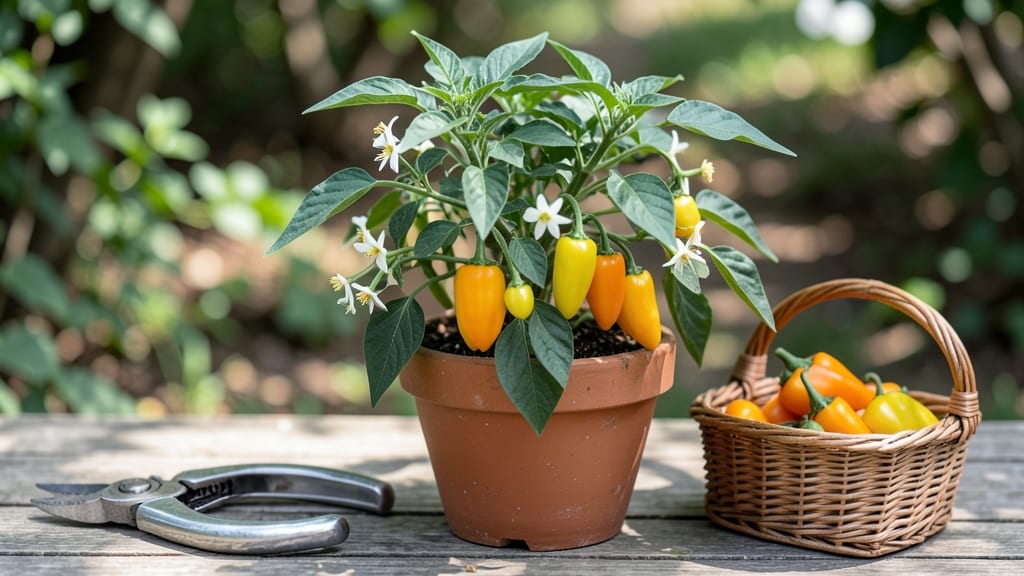
Harvest sweet banana peppers 🌶️ when they’re 2–3 inches long and fully colored—yellow, orange, or red—because timing directly impacts their sweetness and crunch.
Picture this: You’ve waited months for those tiny green pods to plump up, only to pick them too early—mild but bland—or too late, when they’ve turned rubbery or bitter.
The difference between a perfect harvest and a wasted one comes down to a few simple cues, like the color snap test and firmness checks.
In Zone 6a, where most gardeners grow these peppers, July through September is prime harvest season. But heat waves or cool snaps can speed up or slow down ripening, so knowing the exact visual signals (and when to ignore common myths) keeps your yield sweet and abundant.
Below, I’ll walk you through the foolproof methods to pick them at peak flavor—plus what to do if you miss the window and how to store them so they stay crisp for days.

Banana pepper color chart: exact stages for harvesting sweet vs spicy peppers
Sweet banana peppers are at their peak when harvested at the right color stage. Unlike spicier varieties, these yellow, orange, or red peppers develop sweetness as they ripen. Understanding the color progression ensures you pick them when they're crisp, flavorful, and free from bitterness.
Harvesting too early means milder but less sweet peppers, while waiting too long can turn them mealy or bitter. The key is recognizing the exact color cues that signal optimal sweetness.
For example, a fully yellow pepper is sweeter than a green one, but an overripe red pepper may lose its crisp texture.
Here’s the color snap test breakdown: green = underripe, yellow = ideal sweetness, orange = balanced flavor, and red = risk of bitterness. Each stage offers a different taste profile, so timing matters.
The yellow stage is where sweet banana peppers hit their sweetest and crispiest. At this point, they’re typically 2–3 inches long and snap cleanly when you bend the stem. This is the ideal harvest window for most gardeners aiming for mild, sweet peppers.
If you prefer a slightly spicier kick, wait for the orange stage. These peppers develop a deeper flavor but retain their sweetness. However, avoid letting them turn red, as they can become mealy and bitter—a common mistake for beginners.
Pro tip: Harvest in the morning when peppers are cool and crisp. Use clean pruning shears or pinch the stem just above the pepper to avoid damaging the plant. This method encourages more fruit production and keeps your peppers at peak quality.
Regional climate affects ripening speed. In hotter zones (USDA 9+), peppers may ripen faster, while cooler climates (USDA 6-8) could slow color changes. Adjust your harvest timing based on your local last frost date and summer heat.
For storage, keep harvested peppers in the fridge for up to 2 weeks. If they’re at the yellow or orange stage, they’ll stay sweet and crisp longer. Overripe red peppers, however, should be used within 3–5 days to avoid flavor loss.
Remember: Sweetness peaks at yellow, but flavor complexity grows with orange. Balance your harvest between quantity and quality—don’t let peppers linger on the vine past their prime. 🌶️
The color snap test: how to physically check ripeness without guessing
Sweet banana peppers reach peak flavor when harvested at the right maturity level—but how do you know when they're ready? Relying on color alone can lead to mistakes, especially since yellow peppers might still need time to ripen.
The stem snap test is my foolproof method to determine ripeness without guessing.
This simple physical test involves gently bending the pepper's stem to check its firmness and maturity. Unlike color alone, the snap test reveals the pepper's internal sugar development and structural integrity.
For example, a green pepper will bend but not snap, while a ripe yellow or red pepper will break cleanly at the stem.
Here's how to perform the test accurately, along with what to expect at each ripeness stage:
- Pick a 2-3 inch pepper that's fully colored (yellow, orange, or red). Avoid peppers with wrinkled skin or dull color.
- Hold the pepper near the stem attachment with your thumb and forefinger, about 1/2 inch from the plant.
- Gently bend the stem downward with moderate pressure. Don't twist—this can damage the plant.
- Watch for these three outcomes:
- Clean snap = ripe (harvest immediately)
- Bends but doesn't snap = needs more time (wait 2-3 days)
- Soft or mushy = overripe (discard or use quickly)
- Green peppers: Will bend easily but not snap. These are least sweet—wait for color change.
- Yellow peppers: Should snap cleanly when fully ripe. If they bend, they need 1-2 more days of sun.
- Orange/red peppers: Will snap sharply at the stem. These are sweetest and ready to harvest.
- After snapping, gently squeeze the pepper. It should feel firm and crisp, not soft or spongy.
- If the pepper squeaks slightly when squeezed, it’s at peak crunch—ideal for fresh eating.
A clean snap at the stem combined with vibrant color and firm texture guarantees your sweet banana peppers are at their sweetest. This method works for all pepper varieties, but sweet banana peppers are especially responsive to the test due to their thin skin and high sugar content.
Pro tip: Harvest in the morning when peppers are cool and crisp. Use a sharp pair of scissors or pruners to avoid damaging the plant, and always leave a small stem attached to preserve freshness longer.