
Size
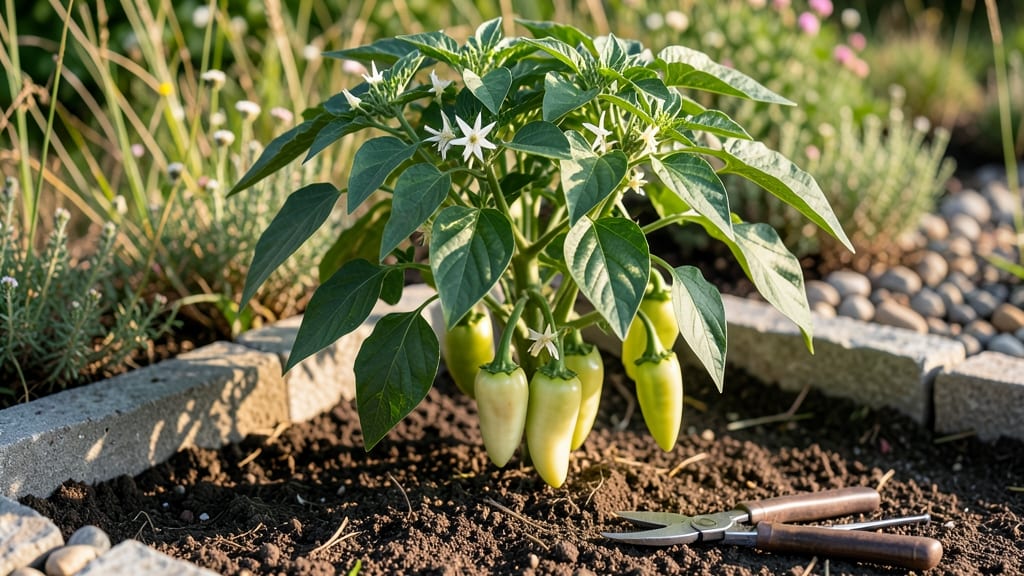
Cubanelle peppers grow to a compact size of 2 to 3 feet tall and 1 to 2 feet wide, making them perfect for small gardens or containers.
If you're growing Cubanelle peppers for the first time, knowing their mature size helps you plan spacing, containers, and even harvest expectations—yet many gardeners guess wrong, leading to crowded plants or missed yields.
These peppers thrive in 18-inch spacing in-ground or 12-inch spacing in containers, so their size won’t overwhelm your garden. Their upright, bushy growth means they won’t sprawl like some varieties, saving you space and effort.
Below, I’ll break down how their size affects yield, when to prune for better airflow, and how to maximize harvests without sacrificing plant health.
Cubanelle pepper size at maturity: length, width, and growth habits explained
Understanding how big Cubanelle peppers get is essential for planning your garden layout. These sweet peppers typically mature to a length of 4-6 inches and a width of 1-2 inches, with plants reaching 2-3 feet tall.
Their compact size makes them ideal for both in-ground gardens and containers, but proper spacing ensures healthy growth and maximum yield.
Unlike bell peppers, which grow larger and bushier, Cubanelles have a more upright, slender growth habit. Their long, tapered shape sets them apart from jalapeños, which are shorter and thicker.
This unique structure also affects how they produce fruit—expect multiple peppers per node along the plant's stem, rather than clustered like bell peppers.
The mature size of Cubanelle peppers directly impacts how you should space them. Crowding can lead to poor air circulation, increasing the risk of fungal diseases like powdery mildew. Meanwhile, giving them enough room allows sunlight to reach all parts of the plant, promoting robust growth and higher yields.
One key difference between Cubanelles and other peppers is their fruit-to-plant ratio. While bell peppers produce fewer, larger fruits, Cubanelles pack more peppers per plant due to their prolific branching.
This means you can harvest 10-20 peppers per plant in a single season, making them a space-efficient choice for small gardens or containers.
When comparing Cubanelles to jalapeños, you’ll notice their slender, elongated shape and milder heat level. Jalapeños tend to be shorter and thicker, with a more compact growth habit.
This difference affects how you might use them in the garden—Cubanelles thrive in tighter spaces, while jalapeños need slightly more room to avoid overcrowding.
For container gardening, choose pots that are at least 12-15 inches wide and deep to accommodate the plant’s mature size. Cubanelles are perfect for balcony gardens or patio containers, as their upright growth won’t overwhelm small spaces.
Just ensure the container has drainage holes to prevent root rot from overwatering.
If you’re growing Cubanelles in raised beds, space plants 18-24 inches apart to allow for airflow and easy harvesting. This spacing also helps prevent disease spread by reducing humidity around the foliage. In larger in-ground gardens, you can stretch the spacing to 24-30 inches for even better air circulation.
Monitor your plants for signs of overcrowding, such as yellowing leaves or stunted growth. If you notice these issues, prune back excess foliage to improve airflow and redirect energy to fruit production. Regular pruning also encourages bushier growth, which can increase your yield.
Remember, the size of your Cubanelle peppers at maturity isn’t just about aesthetics—it’s about harvest timing and flavor. Peppers left on the plant too long can become tough or bitter, so stay vigilant and harvest when they reach 4-5 inches in length.
This ensures you enjoy their sweet, mild flavor at its peak.
How to space Cubanelle peppers for optimal growth and yield
Proper spacing is the secret to healthy Cubanelle peppers—these plants reach 2 to 3 feet tall and 1 to 2 feet wide at maturity. Crowding them too closely reduces airflow, inviting fungal diseases like powdery mildew or bacterial spot.
On the flip side, giving them too much room wastes garden space when you could fit more plants or companion crops.
In-ground gardens need 18 inches between plants in rows spaced 24 inches apart, while containers require 12-inch spacing to prevent root competition. The key is balancing their compact size with their need for circulation and sunlight exposure—both critical for maximizing yields.
| Growing Method | Spacing Between Plants | Row Spacing | Container Size | Yield Impact |
|---|---|---|---|---|
| In-Ground Garden | 18 inches | 24 inches | N/A | Maximizes airflow, reduces disease risk |
| Raised Beds | 12-18 inches | 18 inches | N/A | Better drainage, higher yields in cooler climates |
| Containers (5-gallon pots) | 1 plant per pot | N/A | 5+ gallons | Slower growth, smaller harvests |
| Containers (10-gallon pots) | 1 plant per pot | N/A | 10+ gallons | Near in-ground yields, better root space |
| Overcrowded (Common Mistake) | <12 inches | <18 inches | N/A | Reduced sunlight, poor airflow, disease risk |
Many gardeners make the mistake of spacing Cubanelle peppers like jalapeños or bell peppers, which need more room. Cubanelles are bushier and more compact, so tighter spacing works—just ensure they’re not touching neighboring plants.
In containers, 10-gallon pots are ideal for single plants, while 5-gallon pots work for one plant but limit growth.
If you’re growing Cubanelles in raised beds, reduce spacing to 12 inches between plants and 18 inches between rows. The improved drainage helps prevent root rot, a common issue in dense soil. Just avoid packing too many plants—each needs room to photosynthesize efficiently and produce energy for fruit.
Watch for signs of overcrowding: yellowing leaves, stunted growth, or peppers failing to ripen. These are red flags that your plants need more space. Prune lower leaves to improve airflow, but avoid over-pruning—you want to balance light exposure and plant health.
For container growers, trellising isn’t necessary since Cubanelles stay compact, but adding a small stake can support heavy fruit loads. In-ground plants may benefit from light staking if they lean, but their natural bushiness keeps them stable. The goal is to let them grow naturally while preventing disease.