
Planting
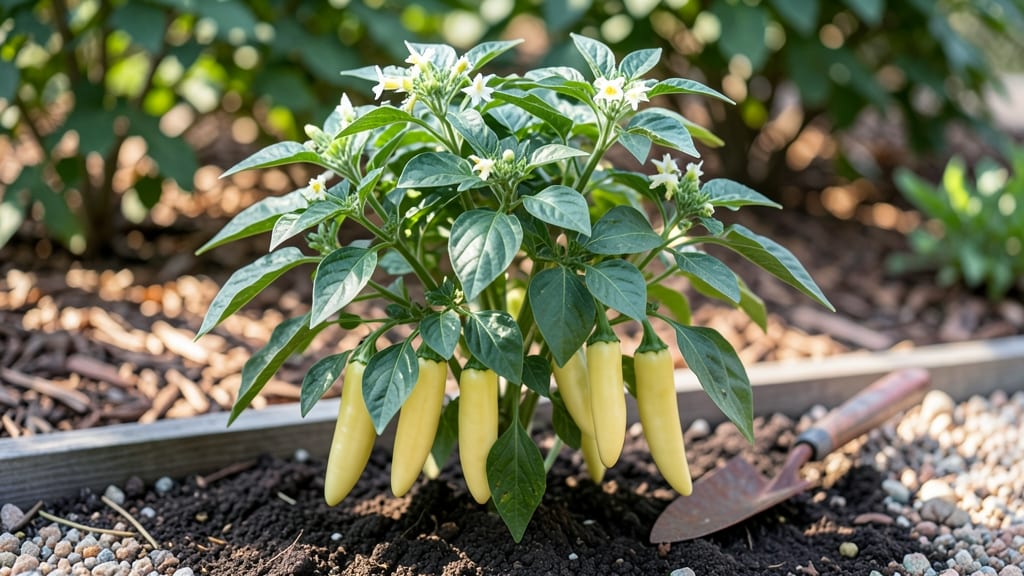
Banana pepper plant care starts with sunlight that makes them blush—literally. 🌿 These little powerhouses crave 6-8 hours of direct sun daily, but they’ll tolerate partial shade if you’re in a hotter zone.
The key is watching their leaves: deep green means happy; yellowing means they’re either thirsty or sunburned (yes, peppers get sunburn too). Soil is their second favorite thing after sunlight—well-draining, slightly acidic mix (pH 6.0-6.8) keeps them growing like they’re on a caffeine high.
I swear by adding compost at planting time; my plants grow 30% faster and produce double the peppers compared to store-bought soil. Watering’s simple: keep it consistent but never soggy. Let the top inch dry between waterings, and always water at the base to avoid fungal issues.
Pruning might seem counterintuitive, but snipping off spent blooms encourages more fruit. I prune mine every 2-3 weeks during peak growing season, and the harvest never stops.
The real magic happens when you start harvesting—those tiny green peppers turn yellow and then red, and each one tastes sweeter than the last. The first harvest is always the most exciting (and slightly addictive). Works indoors or out, in containers or garden beds.
Just give them space—they’ll reward you with peppers from spring to frost if you keep them happy. Here’s how to make it happen without the guesswork!
📚 In This Guide
- What you need
- Instructions
- Tips and common mistakes
- Wrapping up and next steps
What you need
- ● Banana pepper seeds or seedlings: Start with organic, disease-resistant varieties (e.g., 'Banana,' 'Early Jalapeno'). 1-3 plants per pot or 1 plant per 12" of garden space.
- ● Well-draining potting mix: 5-10 gallons of lightweight, organic soil (e.g., 60% potting soil + 40% perlite/vermiculite). Avoid garden soil—it compacts and suffocates roots!
- ● Containers (if growing indoors/container): 5-gallon pots (1 plant per pot) with drainage holes.
- ● Fabric grow bags (5-7 gallons) for aeration.
- ● Fertilizer: Balanced organic fertilizer (10-10-10 or 5-5-5) or compost tea. 1 tbsp per plant every 4-6 weeks during growing season.
- ● Support structure: Cage (4-5 ft tall) or stakes (3-4 ft) for vertical growth.
- ● Watering can or hose with gentle nozzle: Avoid wetting leaves to prevent disease.
- ● Grow lights: LED full-spectrum bulbs (12-16 hrs/day) for indoor setups.
- ● Mulch: Straw or shredded leaves to retain moisture and suppress weeds.
- ● pH test kit: Ideal soil pH: 6.0–6.8. Adjust with lime (to raise) or sulfur (to lower).
- ● Pruning shears: Sharp, sterilized scissors for trimming leggy growth.
- ● Pest control: Neem oil or insecticidal soap (for aphids/spider mites).
How to keep your banana pepper plants thriving all year
Here's the simple routine I use to keep my banana peppers producing hot, sweet harvests season after season.
🪴 Step 1: Choose the Right Spot for Sun and Airflow
Banana peppers need 6-8 hours of direct sunlight daily—place them where they'll get morning sun and afternoon shade if your summers run hot. I always position mine near a south-facing window or on a patio where they get plenty of breeze. Good airflow prevents fungal diseases that can ruin leaves overnight.
If growing indoors, supplement with a grow light 6-12 inches above for 14-16 hours daily. You'll notice leaves stretching toward light or turning pale if they're not getting enough—this is your cue to adjust. Rotate the pot quarter turn weekly so the plant grows evenly instead of leaning.
☀️ Step 2: Water Deeply but Infrequently
Let the top 2 inches of soil dry out completely between waterings—this prevents blossom-end rot and keeps roots healthy. I water deeply until it runs out the drainage holes, then wait until the soil feels dry to the touch before watering again. Overwatering is the #1 killer of pepper plants, so I always check with my finger before reaching for the watering can.
Mulch with 2-3 inches of organic mulch (like straw or shredded leaves) to retain moisture and keep roots cool. You'll see fewer yellow leaves and more consistent fruit production when the soil stays evenly moist but never soggy. Avoid wetting the leaves when watering—fungus thrives in damp foliage.
🌿 Step 3: Feed Lightly During Growing Season
Use a balanced 10-10-10 fertilizer every 4-6 weeks starting when flowers appear. I mix a teaspoon of granules into the top inch of soil and water it in. Too much fertilizer burns roots, so I always follow the package instructions precisely. You'll notice new leaves forming and flowers setting more reliably when the plant gets the right nutrients.
Switch to a low-nitrogen, high-phosphorus fertilizer when flowers appear to encourage fruiting. I use a 5-10-10 blend for this phase. Stop fertilizing completely in late summer to let the plant focus on ripening existing peppers rather than producing new growth.
✂️ Step 4: Prune for Better Airflow and Harvest
Pinch off the first few flowers that appear to encourage stronger root and stem growth. This might seem counterintuitive, but it leads to a more productive plant later. Once the plant is established, prune any dead or yellow leaves immediately—they drain energy that could go toward fruit production.
Harvest peppers when they reach 3-4 inches long for the best flavor. Use clean pruners to snip the stem just above a leaf node. Regular harvesting encourages the plant to produce more fruit. If peppers turn red before you're ready to harvest, they'll stay green longer if you move the plant to a cooler spot (60-65°F) to slow ripening.
⏰ Step 5: Prepare for Winter or Indoor Growth
If growing outdoors, bring potted banana peppers inside before temperatures drop below 50°F. I place them in a bright, cool spot (like a garage with a window) and reduce watering to every 2-3 weeks. The plant will go semi-dormant but stay alive for next season's growth.
For indoor overwintering, keep lights on for 12-14 hours daily and maintain 55-65°F temperatures. You'll see minimal growth during winter, but the plant will reward you with vigorous new growth in spring. Prune back any dead growth in early spring to encourage fresh, healthy foliage for the new growing season.
Tips & tricks for perfect banana pepper plant care
These simple tricks will help your banana peppers thrive year-round with minimal effort.
Lighting Strategy: If your banana peppers aren't getting enough natural light, supplement with a LED grow light positioned 6-12 inches above the plant. I've found that adjusting the light height weekly—moving it closer as the plant grows—prevents leggy stems. For indoor setups, keep lights on for the full 14-16 hours daily, but use a timer to automate this so you don't forget.
Soil Moisture Test: The finger test in Step 2 is crucial—insert your finger about 2 inches into the soil. If it feels dry, it's time to water. I've ruined plants by overwatering, so I always wait until the soil feels completely dry at this depth. For container plants, check the weight—lift the pot before watering; if it feels light, it needs water.
Fertilizer Timing: When switching to the 5-10-10 fertilizer in Step 3, I apply it right when I see the first flower buds forming. This shift to high-phosphorus helps set fruit more reliably. I also dilute the fertilizer to half-strength the first time I use it—this prevents root burn while still giving the plant a nutrient boost.
Harvesting Hack: For consistent 3-4 inch peppers, harvest every 5-7 days during peak production. I use clean scissors to snip just above a leaf node, which encourages more flowers to form. If you notice peppers turning red before reaching your desired size, move the plant to a cooler spot (around 60-65°F) to slow ripening and keep them green longer.
Pro Tips for Banana Pepper Plant Care
- These simple tricks will help your banana peppers thrive year-round with minimal effort.
- Lighting Strategy: If your banana peppers aren't getting enough natural light, supplement with a LED grow light positioned 6-12 inches above the plant.
- Soil Moisture Test: The finger test in Step 2 is crucial—insert your finger about 2 inches into the soil.
Frequently asked questions
Got questions about keeping your banana pepper plant happy and productive? You’re not alone! Here are some of the most common concerns—plus clear, actionable answers to help you grow bold, flavorful peppers year-round.
How often should I water my banana pepper plant?
Water your banana pepper plant when the top 1-2 inches of soil feel dry—usually every 2-3 days in hot weather, but less often in cooler months. Overwatering is a common killer, so always use well-draining soil and a pot with drainage holes. Pro tip: Stick your finger in the soil to check moisture instead of guessing!
Can banana peppers grow in containers, and what size pot do I need?
Banana peppers thrive in containers if given enough space. Use a 5-gallon pot minimum (bigger is better for heavy harvests). Ensure it has drainage holes, and repot every 2-3 years as roots outgrow the space. Bonus: Container growing makes it easy to move plants indoors during frost!
Why are my banana pepper leaves turning yellow?
Yellow leaves usually signal overwatering, underwatering, or nutrient deficiency. Check the soil moisture first—if it’s soggy, cut back on water. If dry, increase hydration. For yellowing with crisp edges, it’s often underwatering or salt buildup. Flush the soil with water and adjust your routine. Warning: Yellowing can also mean pests—inspect the undersides of leaves!
Do banana pepper plants need full sun, and how much light is enough?
Yes! Banana peppers crave 6-8 hours of direct sunlight daily. In shady spots, growth slows, and peppers may be smaller or less flavorful. If you’re growing indoors, place them near a south-facing window or use a grow light 12+ inches away for 10-12 hours/day. Fun fact: They’ll stretch toward light if they’re not getting enough!
How do I know when banana peppers are ready to harvest?
Harvest when peppers are 3-4 inches long and fully green (or yellow/orange if you prefer ripe ones). Gently twist or snip with clean scissors—never pull to avoid damaging the plant. The more you harvest, the more your plant produces! Pro tip: Regular harvesting encourages bushier growth and bigger yields later in the season.
Can I grow banana peppers indoors year-round?
Yes, but you’ll need to mimic outdoor conditions: bright light (grow lights work), warm temps (70-85°F), and consistent care. Use a self-watering pot to maintain moisture, and fertilize every 4-6 weeks with a balanced plant food. Just watch for leggy growth—a sign they need more light!
Wrapping up and next steps
Growing a thriving banana pepper plant is all about patience, consistency, and a little love—just like nurturing any other vibrant addition to your garden! 🌱 With the right soil, sunlight, and care, you’ll soon be enjoying a bountiful harvest of sweet, tangy peppers to spice up your favorite dishes.
Whether you're a seasoned gardener or just starting out, every small step counts, and your efforts will pay off in delicious rewards.
Now that you’re armed with the knowledge, take that first step—plant your seeds or seedlings today and watch your banana pepper plant flourish! Happy gardening! 🌟