
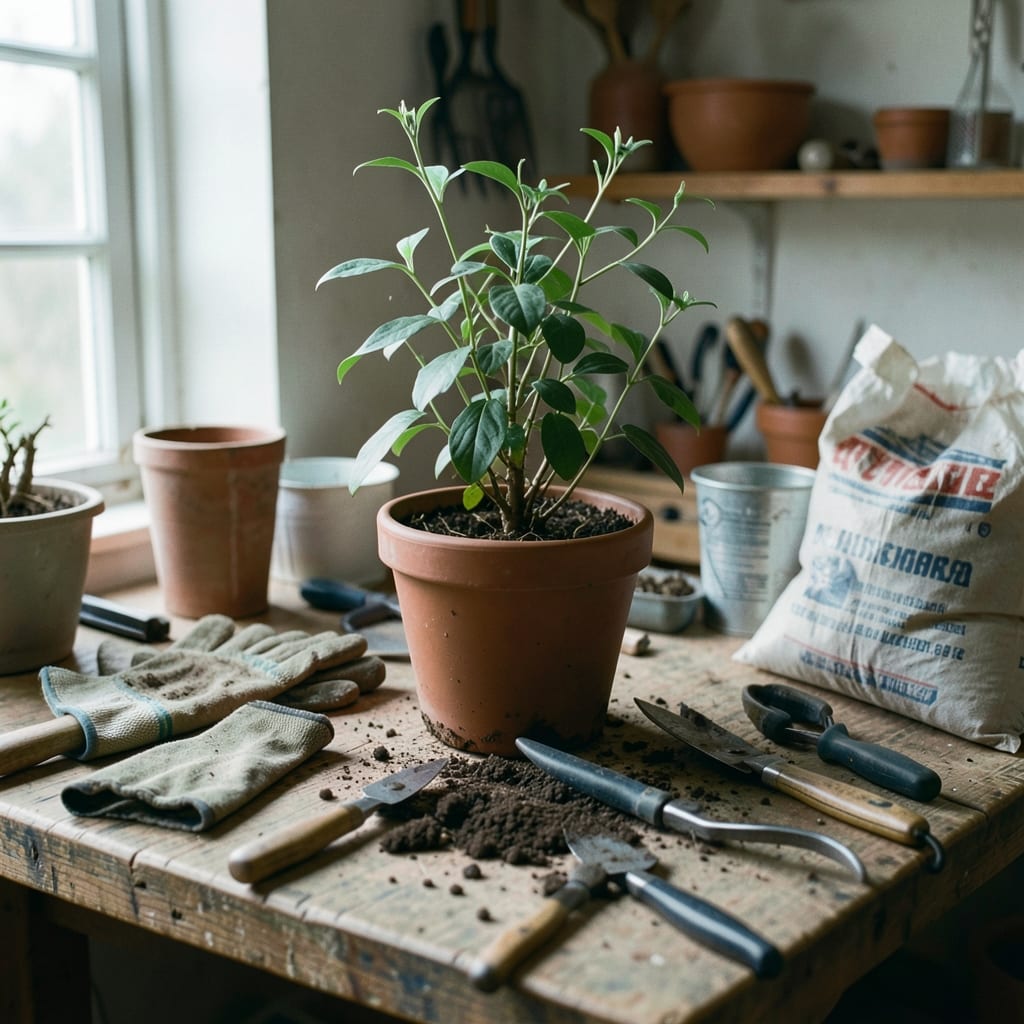
What changed, and what it changed for you
When I first posted here, I treated it like a sketchbook: jotting down what worked in my garden that season, assuming everyone else had the same soil, the same sun, the same luck.
The advice was thin—‘plant these in May’—with no room for the questions that kept me up at night: *What if the frost comes early? What if my soil is rocky? What if I don’t have a greenhouse?*
Now, every piece of advice is paired with a ‘what if’: a troubleshooting section, a list of signs something’s wrong, or a note about what to do when the instructions don’t fit your yard.
The site still starts with what grew in *my* garden, but it ends with what will grow in *yours*—even if yours is a balcony in the city or a shady corner of a suburban lot.
You’ll notice the difference if you compare the old ‘How to Grow Tomatoes’ to the new one: the old one was a list of steps; the new one starts with soil tests, ends with pest traps, and has a whole sidebar for small spaces.
| It used to be | Now it is |
|---|---|
| A photo of my garden with a caption like ‘These basil plants are thriving!’ | A guide with a soil test chart, a pruning schedule, and a note on ‘what to do if your basil flowers early’ |
| Advice like ‘Water in the morning,’ with no explanation of *how much*, | A section on ‘reading your soil’ with before/after photos of wilting and revived plants |
| Posts that ended with ‘Happy gardening!’ | Every piece now ends with a ‘next steps’ checklist—even the simplest ones |
| No mention of tools beyond a trowel | A ‘what you’ll need’ section that includes budget options and DIY fixes |
The one that took years
For the first three years, I refused to write about failures. Every post showed only the plants that thrived, the soil that cooperated, the seasons that behaved.
It was a lie—I spent half my time pulling up dead starts or cursing at blight—but I thought readers only wanted the ‘happy’ version. Then I got an email from a reader in Oregon whose tomatoes kept collapsing under the weight of their own fruit. I’d never mentioned staking.
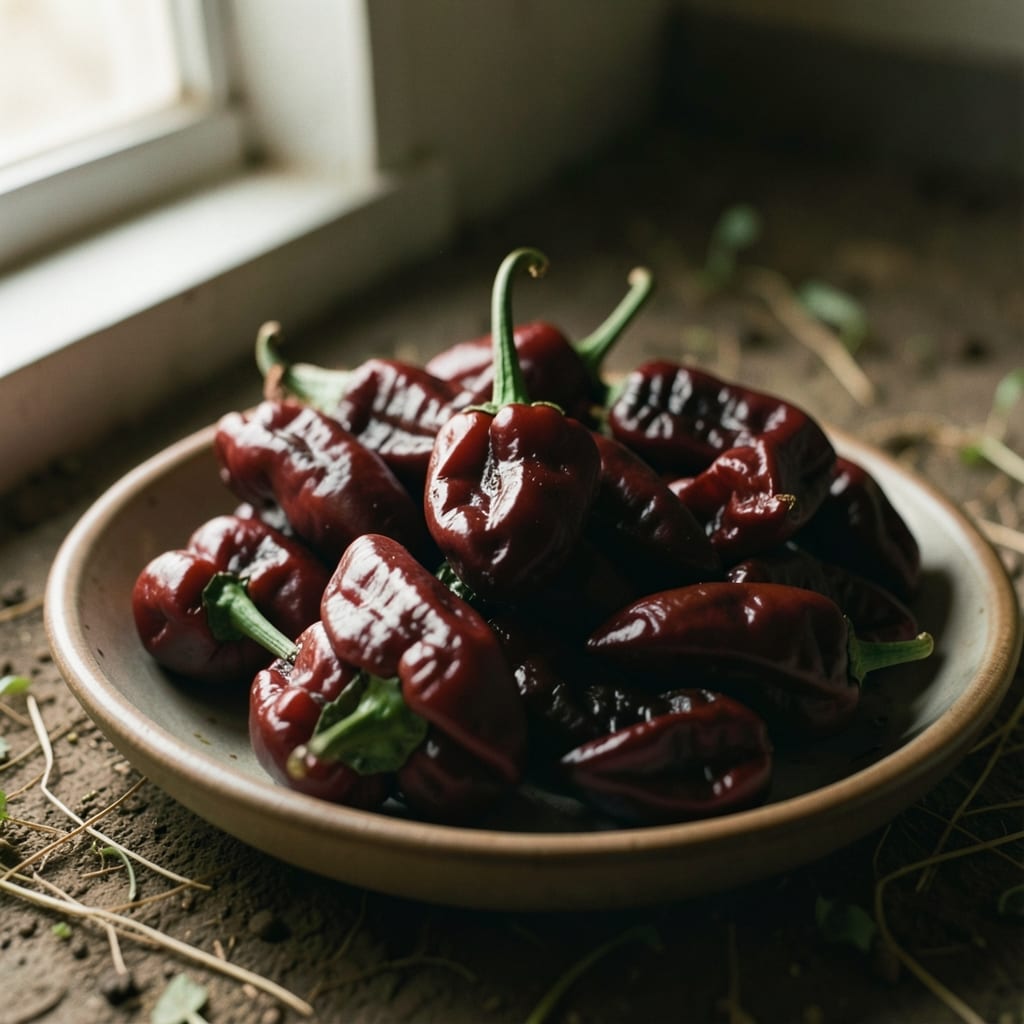
Another reader in Texas sent a photo of her wilting peppers and wrote, *‘You said these love heat—why are they dying?’* I’d never explained that ‘heat’ meant *consistent* heat, not a single scorching day.
The problem wasn’t just that I wasn’t telling them what went wrong. It was that I didn’t *know* how to tell them. Gardening failures aren’t like cooking mistakes: you can’t just ‘taste and adjust.’ A dead plant stays dead. A blighted leaf doesn’t come back.
I’d spent years treating gardening like a science experiment where the variables were all mine to control. But real gardens don’t work that way.
So I started over: I planted the same crops in three different spots—my backyard, a rented plot with poor soil, and a friend’s greenhouse—and tracked what broke down where. It took two seasons to get it right.
Now, every ‘how-to’ includes a ‘what can go wrong’ section. The ‘Grow Zones’ filter wasn’t added until I realized half my readers lived in climates I’d never considered. And the ‘Emergency Fixes’ sidebar? That came from a spreadsheet of every time I’d had to improvise when my original plan failed.
It cost me a full extra season of gardening—no harvests, just notes—but it means the site finally matches what readers actually need.
Meet the author
I used to think gardening was about following rules: plant this deep, water that much, harvest before the first frost. So I’d write posts like ‘The Perfect Tomato Plant,’ assuming if I got the steps right, anyone could do it. The problem was, I’d never actually *taught* anyone.
I’d just assumed they’d figure it out. When I tried to explain pruning to a friend, she ended up snipping off half her basil by accident. I told her to ‘pinch the tips,’ but I’d never shown her how hard to pinch or which leaves to avoid.
That’s when I realized I wasn’t writing advice—I was just describing what worked for me.
I also used to believe that if you loved plants, you’d instinctively know how to care for them. I spent years avoiding the ‘dumb questions’ in gardening forums, thinking newbies just needed to ‘pay attention.’ Then I watched my mom struggle with her first raised bed.
She’d read every guide, followed every tip, and still her lettuce bolted before it was big enough to eat. I finally understood: gardening isn’t just about the plants.
It’s about the soil, the sun, the rain, the pests, the tools—and how all of those things interact in ways that aren’t in any book.
The worst mistake I made was assuming that because I’d gardened since I was a kid, I could skip the basics. I’d never written a post about composting because I’d been doing it for years without thinking.
Then a reader asked how to fix soil that was ‘too sandy,’ and I had to admit I didn’t know. I’d just *known* what to add. That’s when I started over: I took apart every ‘obvious’ tip I’d ever given and asked, *‘How would a beginner even start with this?’*
What changed is that I stopped pretending I knew everything.
Now, I run Pepper Patch because I love sharing the joy of nurturing something from a tiny seed to a thriving plant—and the stories behind the best gardening tricks.
My approach is simple: practical advice, real experiences, and a little bit of the wonder that got me hooked in the first place.
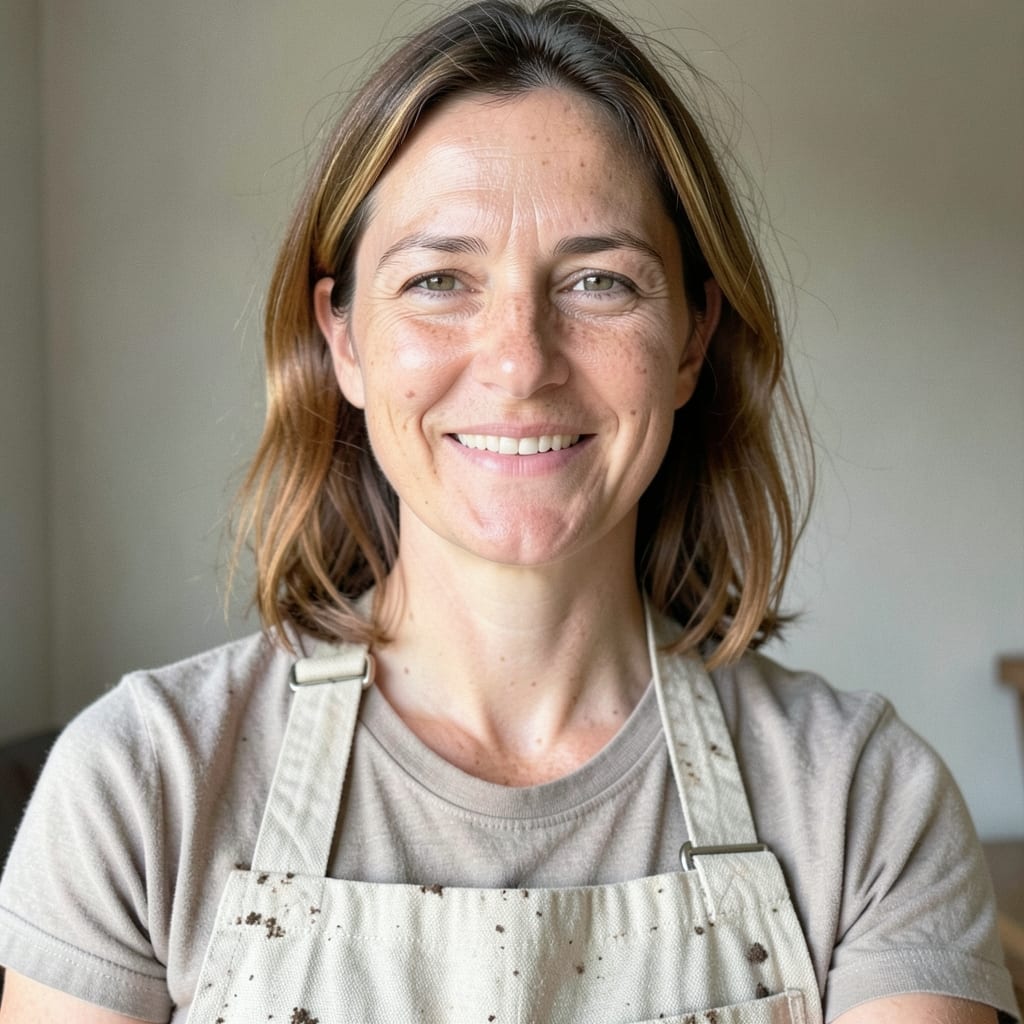
Here, Cecilia Ruggiero writes the guides, tests the fixes, and answers the questions no one else bothers to ask—like *‘Why did my zucchini turn yellow?’* or *‘How do I save a plant that’s already wilting?’*
What did not change
The core belief hasn’t shifted: gardening should be rewarding, not frustrating. That’s why the site still starts with the same question I asked myself as a kid—*‘What if I could grow this?’*—and ends with the same satisfaction of seeing something you nurtured thrive.
The tone is still the same, too: no jargon, no ‘gardenese,’ just straight talk about what works and what doesn’t. And the focus on plants that actually grow where most people live hasn’t wavered. If anything, it’s gotten stricter—I’ve cut entire categories (like rare heirloom varieties) that don’t help beginners.
What hasn’t changed is the ‘why.’ I still garden because I love the way a seedling unfurls its first leaves, the way soil smells after rain, the way a well-tended plant can outlive you.
That’s the part I’ll never take out of this site, no matter how many ‘how-tos’ I add. The rest? That’s just the tools to make sure more people get to experience it.
What is still being fixed
Right now, I’m working on two big things: a ‘Seasonal Adjustments’ tool that lets readers filter advice by their local climate (not just USDA zones), and a series of ‘Minimalist Garden’ guides for people who don’t have yards—just balconies, windowsills, or community plots.
The first is stuck because weather data is messy, and the second keeps getting delayed because I keep discovering new ‘hacks’ for small spaces that I want to test first. Neither will ever be ‘done,’ but they’ll get better.
If you’ve got a gardening problem that’s driving you nuts—or a trick that’s saved your plants more times than you can count—tell me about it. The contact page is the best place to start.
Things that would help
- A photo of a gardening fail (yours or someone else’s) that you’d love to see solved here
- A tool or technique you’ve used that saved a plant when all the guides said it was hopeless
- A question you’ve asked three different forums without getting a clear answer
The guides are grouped by category: Advice, Aphids, Blooming, Companion Plants, Pests and Diseases and Picking.