
Plants
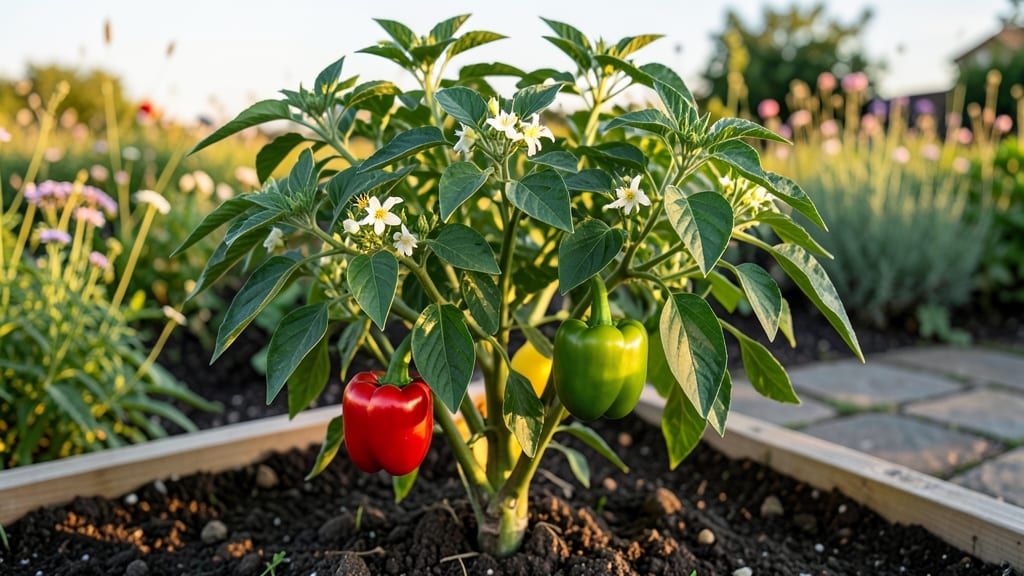
Wondering how tall does a pepper plant grow? These plants range from a compact 12 inches to towering 5-foot giants, depending on the variety and growing conditions.
That’s a huge range—imagine trying to fit a 4-foot pepper plant in a windowsill pot!
But here’s the thing: your choice of pepper isn’t just about height; it’s about how much space you’re willing to dedicate to it, whether that’s a small container on a balcony or a corner of your backyard garden.
Some varieties, like the Thai Hot or Jalapeño, stay neatly under 2 feet, making them perfect for beginners or small spaces. Others, like the Monarch Bell or Habanero, can stretch toward the ceiling if left unchecked.
Knowing these differences upfront saves you from crowded plants, wasted space, or even disappointed harvests.
In this guide, I’ll break down the exact height ranges for popular peppers, share tips for controlling growth, and help you pick the perfect variety for your setup—whether you’re working with limited square footage or a sprawling garden.


Pepper plant height ranges by variety: dwarf to giant sizes explained
When planning your garden, knowing how tall pepper plants grow helps you maximize space and yield. Pepper varieties range from compact bush types perfect for containers to tall vining giants that need vertical support.
The height of your pepper plant directly affects spacing requirements, sunlight exposure, and even pest management strategies. Let's explore the exact height ranges of popular varieties so you can choose the best fit for your space.
Most pepper plants fall into three broad height categories: dwarf varieties (under 2 feet), medium-height bushes (2-3 feet), and tall vining types (3-5 feet or more).
The key difference lies in their growth habits—bush types grow compactly with multiple stems, while vining varieties produce long, single stems that benefit from trellising. Understanding these distinctions helps you decide whether to plant in containers, raised beds, or directly in the ground.
For small-space gardeners, dwarf varieties like 'Thai Hot' or 'Snackable' peppers thrive in 5-gallon pots and reach just 12-18 inches tall. These compact plants produce abundant peppers without sprawling, making them ideal for balconies, patios, or windowsills.
Meanwhile, larger varieties like 'Monarch' or 'Big Beef' bell peppers can grow 4-5 feet tall, requiring more room to spread or climb.
Here’s a quick comparison of height ranges for popular pepper varieties to help you visualize their mature sizes:
If you're growing peppers in containers or small spaces, prioritize dwarf or semi-dwarf varieties like 'Thai Hot' or 'Snackable'. These plants stay under 2 feet tall and thrive in 5-gallon pots with proper drainage.
For larger gardens, vining varieties like 'Monarch' or 'Fish Pepper' can reach 4-5 feet tall, making them perfect for trellises or stakes to save space and improve air circulation.
For indoor cultivation, choose compact varieties like 'Tiny Tim' bell peppers, which grow just 12-18 inches tall and produce abundant peppers under grow lights. Place them near a south-facing window or use supplemental lighting to ensure they receive 6-8 hours of light daily.
Even indoors, avoid overcrowding—pepper plants need at least 12 inches of space between stems to prevent disease.
Taller pepper varieties, like 'Monarch' or 'Fish Pepper', benefit from vertical support to prevent sprawling and improve fruit production. Use bamboo stakes, trellises, or tomato cages to guide their growth upward. This not only saves space but also reduces the risk of
How to control pepper plant height: pruning, trellising, and variety selection tips
Managing the height of your pepper plants isn’t just about tidying up your garden—it’s a game-changer for yield, air circulation, and pest control.
Whether you’re dealing with bushy bell peppers or vining jalapeños, strategic pruning and support systems can transform a wild, sprawling plant into a productive, manageable powerhouse. The right techniques also help prevent diseases like powdery mildew, which thrives in dense, shaded foliage.
If you’ve ever watched a pepper plant shoot up unexpectedly—sometimes reaching 5 feet or taller—you know how quickly space can become an issue. But don’t panic!
With the right pruning schedule and trellising methods, you can guide growth, improve fruit production, and even fit more plants into small spaces.
For example, a habanero plant left unchecked might sprawl, but with a sturdy trellis, it can grow vertically while keeping your harvest off the ground and safer from pests.
⚠️ WARNING: Overgrowth Risks When a pepper plant grows too tall or bushy without intervention, you’re inviting problems like poor air flow, fungal infections, and fruit rot.
Look for these red flags: - Leaves touching the ground - Dense clusters of unpruned branches - Yellowing or wilting lower leaves - Pests like aphids clustering in thick foliage Ignoring these signs can reduce your harvest by 30-50% and shorten the plant’s lifespan.
Prune early and often to keep your peppers thriving!
For bush-type peppers like bell peppers or jalapeños, the key is selective pruning. Start when the plant is about 12 inches tall and remove the first few flowers that appear. This encourages the plant to grow taller and bushier, producing more fruit later in the season.
Use clean, sharp pruning shears to cut just above a leaf node, and always sterilize your tools with rubbing alcohol to prevent disease spread.
If you’re growing vining varieties such as Monarch bell peppers or long-hanging peppers, trellising is your best friend. Install a trellis, cage, or sturdy stake at planting time—pepper plants hate being transplanted once they’re established.
As the plant grows, gently weave vines through the trellis or tie them with soft garden twine. This not only saves space but also improves fruit quality by reducing soil-borne diseases. Plus, hanging peppers are easier to harvest and less likely to rot!
Choosing the right pepper variety for your space is just as important as pruning. For containers or small gardens, opt for compact varieties like ‘Thai Hot’ (12-18 inches) or ‘Snack Mix’ (18-24 inches). These stay manageable and produce abundantly without needing extra support.
If you have vertical space, tall varieties like ‘Monarch’ (4-5 feet) or ‘Ariane’ (3-4 feet) are perfect for trellises and can even be grown indoors near a south-facing window.
Remember, consistency is key when controlling height. Prune every 2-3 weeks during the growing season, and always remove dead or diseased leaves immediately. With the right balance of pruning, trellising, and variety selection, you’ll enjoy a bountiful harvest while keeping your garden neat, healthy, and productive. Happy growing!