
Vegetables
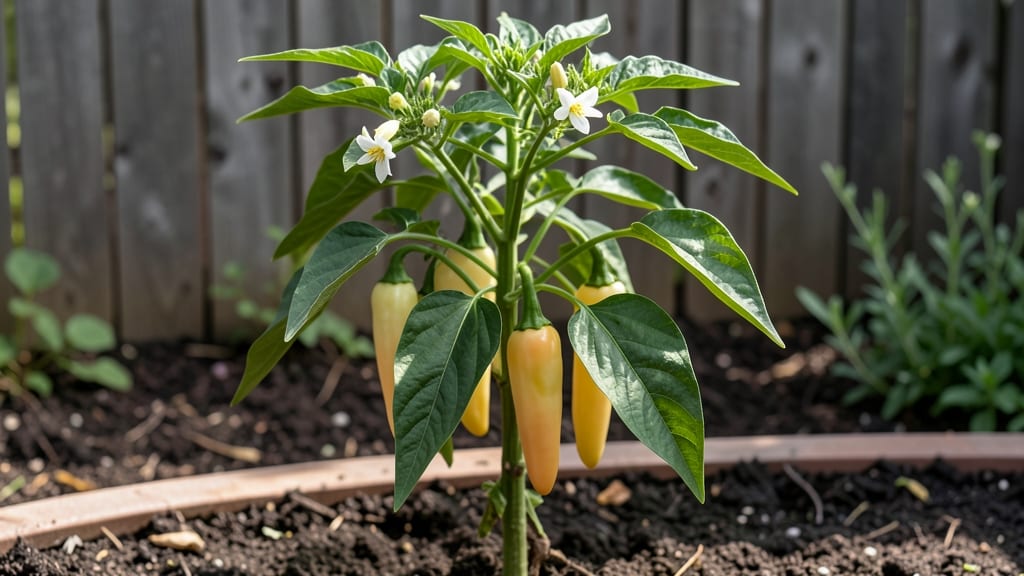
My banana peppers garden started with just two plants in a 5-gallon pot, and now I can't stop growing them—these spicy-sweet vines are the easiest container crop I've ever tried. 🌱 The secret lies in their love for heat, sunlight, and well-draining soil, which means they thrive even in small spaces where other vegetables would struggle.
You'll need a sunny spot (at least 6-8 hours of direct sun daily), a pot with drainage holes, and a balanced fertilizer to keep those peppers producing all season.
Unlike tomatoes or peppers that need heavy pruning, banana peppers grow bushy and productive with minimal fuss—just pinch back leggy stems occasionally to encourage branching. By midsummer, you'll be harvesting clusters of bright yellow peppers that pack a mild kick and work perfectly in pickles, salsas, or fresh snacks.
The plants keep producing until frost, and with proper care, they can even overwinter in mild climates. Perfect for balconies, patios, or small gardens—these peppers adapt to containers, raised beds, or in-ground plantings. Here's how to get started with foolproof results!
📚 In This Guide
- What you need
- Instructions
- Tips and common mistakes
- Wrapping up and next steps
What you need
- ● Banana pepper seeds or seedlings: 3–5 plants (or 10–15 seeds if starting from scratch). Look for varieties like ‘Golden Banana,’ ‘Yellow Banana,’ or ‘Sweet Banana.’
- ● Well-draining potting mix: 5–10 gallons (depending on container size). Mix in perlite or compost (20% perlite, 80% soil) for aeration.
- ● Containers or garden bed: Containers: 5–10 gallon pots with drainage holes (minimum 12" diameter for 1 plant). Fabric grow bags work too!
- ● Garden bed: Full sun (6+ hours/day) and loose, fertile soil with a pH of 6.0–6.8.
- ● Balanced fertilizer: 10-10-10 or 5-5-5 (organic options like fish emulsion or worm castings are great!). Use 1 tbsp per plant every 4–6 weeks.
- ● Mulch: Straw or shredded leaves (2–3 inches) to retain moisture and suppress weeds.
- ● Hand trowel or small shovel for planting.
- ● Watering can or hose with a gentle spray nozzle (banana peppers hate soggy roots!).
- ● Pruning shears to trim leggy stems and encourage bushiness.
- ○ Support stakes or cages (optional but helpful for heavy pepper loads).
- ● pH test kit (if your soil’s pH is unknown).
- ● Row covers or shade cloth (30–50% shade) for hot climates.
- ● 💡 Start seeds indoors 8–10 weeks before your last frost date (or buy seedlings to skip the wait!).
- ● 🔥 Hardening off seedlings: Acclimate them to outdoor temps over 1 week before transplanting.
- ● ✨ Container hack: Add a time-release fertilizer spike at planting for a nutrient boost all season.
Step-by-step guide to growing banana peppers in containers
Here's how to cultivate sweet, spicy banana peppers in pots with minimal fuss.
🌱 Step 1: Select and Prepare Containers
Choose containers that are at least 12 inches deep and 12-18 inches wide to accommodate the pepper's sprawling roots. I prefer terracotta pots because they wick away excess moisture, which banana peppers hate. Make sure each container has multiple drainage holes—poor drainage leads to root rot, and you'll know it's time to water again when the top 1 inch of soil feels dry.
Fill the bottom 2 inches of each pot with gravel or broken pottery to improve drainage. This layer prevents water from pooling at the roots while still allowing roots to grow downward. If you're using lightweight containers, place them on saucers or trays to catch drainage and keep your growing space tidy.
🌱 Step 2: Plant Seeds or Transplants
Banana peppers thrive from seeds or transplants. If starting from seed, sow 2-3 seeds per pot at a depth of ¼ inch, spacing them 1 inch apart. Cover lightly with soil and mist gently with water until the surface is evenly moist. You'll see first true leaves in 7-10 days—this is your signal that germination is underway.
For transplants, dig a hole twice as wide as the root ball and place the plant so the top of the root ball sits ½ inch below the soil surface. This ensures stability and prevents the stem from rotting. Gently firm the soil around the roots to eliminate air pockets, then water deeply. Avoid wetting the leaves to prevent fungal diseases like early blight.
☀️ Step 3: Provide Warmth and Light
Banana peppers love full sun, so place your containers in a spot that gets 6-8 hours of direct sunlight daily. A south-facing window or balcony works well, but if you're growing indoors, supplement with a grow light positioned 6-12 inches above the plants. You'll notice leggy growth if the light is too far away—adjust it as the plants grow to maintain that distance.
Keep the soil temperature above 60°F for optimal growth. If nighttime temperatures dip below 50°F, move containers indoors or cover them with frost cloth to protect tender foliage. A small heat mat can also help maintain root zone warmth, especially in cooler climates.
💧 Step 4: Water and Fertilize for Sweet Harvests
Water banana peppers deeply once a week, allowing the soil to dry out between waterings. Overwatering leads to blossom end rot, so always check the top 1-2 inches of soil before watering. When the soil feels dry, water until it drains freely from the bottom holes—this ensures the roots get the moisture they need without sitting in soggy conditions.
Feed plants every 2-3 weeks with a balanced liquid fertilizer (10-10-10 or 20-20-20). You'll see a boost in growth and fruit production within a few feedings. Stop fertilizing 4-6 weeks before the first frost to allow peppers to mature fully. Yellowing leaves or stunted growth usually means it's time to fertilize again.
✂️ Step 5: Prune and Harvest for Continuous Production
Pinch off the first few flowers that appear to encourage bushier growth. This redirects the plant's energy toward stronger stems and more productive branches. Once the plant establishes, you'll see clusters of small white flowers—these will develop into peppers in 6-8 weeks. Harvest peppers when they're 3-4 inches long and a vibrant yellow or green, depending on the variety.
Use a clean pair of scissors to snip peppers at the stem to avoid damaging the plant. Regular harvesting encourages more fruit production, so check your plants every 3-4 days during peak season. If peppers turn red, they've matured past the ideal harvest window—save them for cooking or drying instead of fresh eating.
Tips & tricks for perfect banana pepper container gardens
A few insider tricks will help you avoid common pitfalls and maximize your harvest from these versatile plants.
Container Selection: While terracotta pots are ideal, you can also use fabric grow bags or plastic containers with drainage holes. The key is ensuring the pot is at least 12 inches deep—shallow containers will restrict root growth. I've had success with black plastic pots in hot climates because they absorb heat, which can help maintain that crucial 60°F soil temperature during cooler evenings.
Germination Boost: For seeds, try soaking them in warm water for 24 hours before planting to speed up germination. Place the pots in a warm spot (around 75°F) until you see those first true leaves in 7-10 days. This warm start mimics their natural tropical environment and gives you a head start on the growing season. Remember to keep the soil consistently moist during this critical period.
Light Optimization: If your space only gets partial sun, consider using a reflective surface like a white sheet or mirror behind the plants to bounce light onto the foliage. For indoor growers, LED grow lights are more energy-efficient than traditional bulbs. Position them 6-12 inches above the plants and adjust as they grow—you'll notice the leaves will stretch toward the light if they're not getting enough.
Fertilizer Timing: The 2-3 week feeding schedule works well, but I've found that giving half-strength fertilizer after transplanting helps reduce shock. Also, switch to a lower-phosphorus fertilizer (like 10-5-10) once flowers appear to encourage more fruit production. Stop fertilizing 4-6 weeks before frost to let the plant focus on ripening existing peppers rather than new growth.
Pro Tips for Banana Peppers Garden
- A few insider tricks will help you avoid common pitfalls and maximize your harvest from these versatile plants.
- Container Selection: While terracotta pots are ideal, you can also use fabric grow bags or plastic containers with drainage holes.
- Germination Boost: For seeds, try soaking them in warm water for 24 hours before planting to speed up germination.
Frequently asked questions
How long does it take for banana peppers to grow from seed?
Banana peppers are patient little plants! From seed, expect 60–90 days to harvest, depending on your climate and variety. If you start with transplants, you’ll shave off about 2–4 weeks. Pro tip: Use a heat mat early on—banana peppers love warmth (70°F+) and may take longer to sprout in cool soil.
Can banana peppers grow in containers, and what size pot do they need?
Banana peppers thrive in containers as long as you give them space to stretch. Aim for a 5-gallon pot or larger (at least 12–18 inches deep) with drainage holes. They’ll grow 2–3 feet tall, so a sturdy pot prevents tipping. Bonus: Container growing makes rotating crops easier and deters pests!
Why are my banana pepper plants flowering but not producing peppers?
No peppers? Don’t panic—it’s usually one of three things:
- Not enough sunlight: Banana peppers need 6–8 hours of direct sun daily. Move them to a sunnier spot or supplement with grow lights.
- Overcrowding: Thin plants to 18–24 inches apart so they’re not competing for nutrients.
- Nutrient deficiency: Feed with a balanced fertilizer (like 10-10-10) every 4–6 weeks or use compost for a slow-release boost.
Quick fix: Hand-pollinate flowers with a paintbrush if bees are scarce!
Are banana peppers the same as jalapeños? Can I substitute them?
Not quite! Banana peppers are milder (100–500 SHU vs. jalapeños’ 2,500–8,000 SHU) and sweeter, with a yellow-orange hue when ripe. While you can swap them in recipes (like pickling or stuffing), banana peppers add a unique fruity kick—perfect for salsas or fresh snacking. Try growing both for versatility!
What pests should I watch for with banana pepper plants?
Banana peppers are tough but can fall prey to:
- Aphids (tiny green bugs on leaves) – Spray with soapy water or introduce ladybugs.
- Peppersworms (white caterpillars) – Handpick or use Bt (Bacillus thuringiensis) spray.
- Blossom end rot (black spots on peppers) – Fix with calcium-rich soil and consistent watering.
Prevention tip: Use row covers early to block pests, and rotate crops yearly to break disease cycles.
Wrapping up and next steps
Growing banana peppers in your garden is a rewarding way to add flavor, color, and a little heat to your meals—whether you’re a seasoned gardener or just starting out! 🌱 These versatile plants thrive in containers, making them perfect for small spaces, balconies, or patios.
With the right care, you’ll enjoy a bountiful harvest of sweet, spicy peppers to spice up everything from salsas to pickles.
Ready to take the next step? Start small—plant a few seeds or seedlings today and watch your garden grow! Share your progress with fellow gardeners, experiment with recipes, or even preserve your harvest for later. Happy gardening, and may your banana peppers be plentiful and delicious! 🌶️✨