
Plants
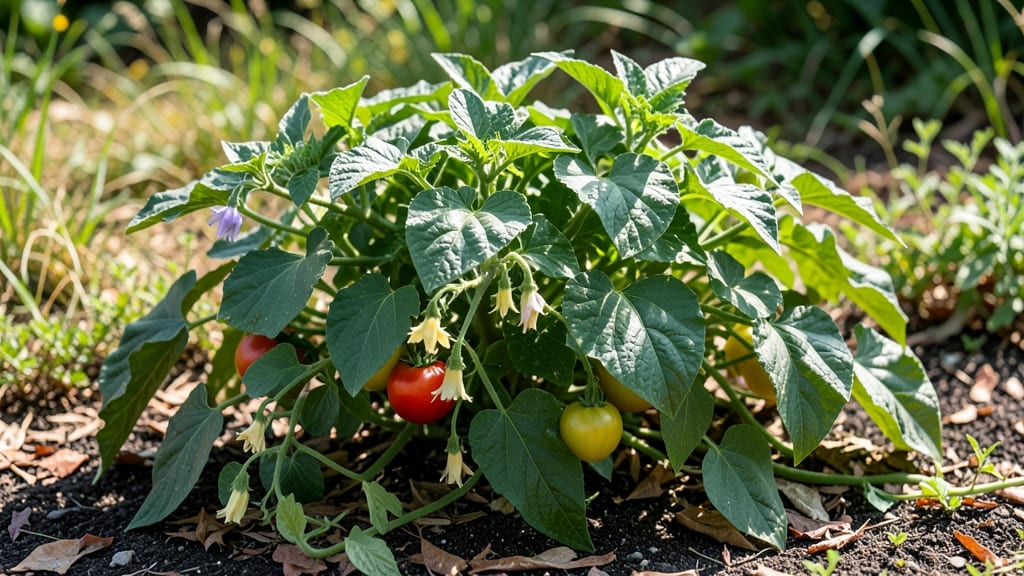
Peppers that look like tomatoes are most commonly the tomato pepper, pepper-tomato hybrids, and cherry bell peppers when still green. These varieties share round shapes and vibrant colors, but their glossy skin, thinner flesh, and distinct flavors set them apart from true tomatoes. Always examine the stem and leaf structure to confirm.
These deceptive peppers often fool gardeners because their smooth, glossy exteriors resemble tomatoes at first glance. 🌶️ The key differences lie in their botanical structure—pepper stems are pointed and woody, while tomato stems are hollow and green.
Plus, peppers tend to stay uniformly red without developing the yellow or orange stages that tomatoes go through. I've seen many gardeners mistake heirloom tomatoes for peppers when they're still small, so always check the plant's leaves: pepper foliage is serrated, while tomato leaves have deep lobes.
When growing these lookalikes, pay attention to their growth habits too. Pepper plants produce fruit directly from the stem, while tomatoes grow on vines with leaf nodes. This distinction becomes especially important during harvest season, when you might be tempted to pick a pepper thinking it's a tomato—or vice versa.
The flavor difference is also notable: while tomatoes offer a juicy, tangy sweetness, peppers deliver a crisp, spicy, or mild heat that depends entirely on the variety.
💡 In This Article
- How to Identify Tomato-Like Peppers by Shape, Color, and Stem
- Growing and Harvesting Tomato-Like Peppers: Tips to Avoid Mistakes
How to identify tomato-like peppers by shape, color, and stem
The most reliable way to distinguish tomato-like peppers from actual tomatoes is by examining the stem attachment. Pepper stems are typically pointed and woody, often with a slight indentation where they connect to the fruit. In contrast, tomato stems are hollow and green, forming a shallow cup-like base.
This difference becomes especially noticeable when you gently twist the fruit—pepper stems snap cleanly, while tomato stems pull away with a slight resistance.
Color progression is another key clue. While tomatoes develop through predictable stages (green → yellow/orange → red), peppers often turn a deep, uniform red without the intermediate hues.
For example, the tomato pepper (Capsicum annuum) stays glossy and vibrant red, whereas a ripe tomato might show mottled yellow or orange patches. The skin texture also differs: peppers have a waxy, almost plastic-like finish, while tomatoes feel slightly matte and more porous to the touch.
Shape can be misleading since both can be round, but pepper varieties like cherry bell peppers often have a slightly flatter top compared to tomatoes' more symmetrical spheres.
When unripe, green peppers mimic the size and shape of small tomatoes, but their thinner walls (about 0.1-0.2 inches thick) make them feel lighter in your hand. A quick test is to press gently—peppers yield slightly more under pressure due to their airier interior structure.
Leaf structure is a game-changer for gardeners. Pepper plants produce serrated, lance-shaped leaves, while tomato plants have deeply lobed, jagged-edged foliage. This distinction helps even before fruits appear. For example, a jalapeño plant might produce a small, tomato-like fruit, but its leaves will always give it away.
If you're still unsure, the taste test is foolproof—peppers deliver heat or a crisp, mild flavor, while tomatoes offer juicy sweetness with acidity.
Here's a quick visual checklist for field identification:
- Stem: Pointed/woody (pepper) vs hollow/green (tomato)
- Skin: Glossy/waxy (pepper) vs matte/porous (tomato)
- Color: Uniform red (pepper) vs possible yellow/orange (tomato)
- Leaves: Serrated (pepper) vs deeply lobed (tomato)
- Texture: Thin-walled (pepper) vs thicker flesh (tomato)
Pro tip: If you're harvesting in a garden, check the plant's growth habit. Pepper fruits grow directly from the stem, while tomatoes develop from leaf nodes on vines. This difference becomes obvious when you see multiple fruits growing in clusters—peppers will always attach directly to the main stem. 🌱