Shrubs
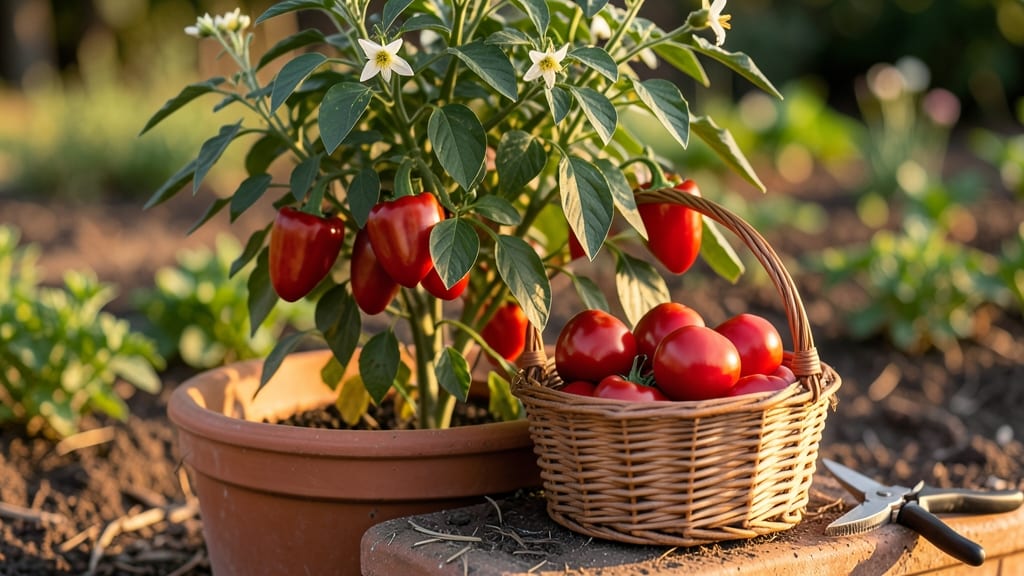
Growing sweet small red peppers is like harvesting sunshine in your own backyard — those tiny, vibrant fruits pack a mild, sweet punch that’s perfect for snacking or cooking. 🌱 I’ve grown them in containers for years, and the key is replicating their natural love for warmth and space without overcomplicating things.
These peppers thrive in pots, making them ideal for balconies, patios, or even windowsills with enough light.
The secret to their success starts with well-draining soil and a sunny spot—at least 6-8 hours of direct sunlight daily. Use a 5-gallon container per plant, as they need room to grow but won’t take up much space.
Water consistently, keeping the soil moist but never soggy, and fertilize lightly every 2-3 weeks with a balanced organic fertilizer. Varieties like ‘Apache’ or ‘Lunchbox’ are great choices for small spaces, producing clusters of sweet, bite-sized peppers all season long.
By midsummer, you’ll be harvesting bright red peppers that are sweeter than their larger cousins, and the plants will keep producing until frost. The real magic happens when they’re fresh off the vine—crisp, juicy, and packed with flavor.
Just watch for pests like aphids or spider mites, and address them early with neem oil or insecticidal soap to keep your plants thriving.
Even if you’ve struggled with peppers before, these compact varieties are foolproof for beginners. With the right setup, you’ll enjoy a steady harvest that’s perfect for snacking, stuffing, or roasting. And the best part? You can grow them in almost any space, no matter how small your garden—or your yard.
📚 In This Guide
- What you need
- Instructions
- Tips and common mistakes
- Wrapping up and next steps
What you need
- ● Ready to grow your own sun-kissed sweet small red peppers? Here’s everything you’ll need to get started—whether you’re a container gardening newbie or a seasoned green thumb! 🌱
- ● Pro tip: 💡 If starting seeds indoors, add a grow light (12–16 hours/day) until seedlings are hardened off!
Step-by-step instructions for growing sweet small red peppers in containers
Here's how to grow your own sweet, sun-ripened red peppers—packed with flavor and perfect for containers!
🌱 Step 1: Choose the Right Containers and Soil Mix
Pick containers that are at least 12 inches deep and 12 inches wide—peppers need room for roots to spread. I use fabric grow bags because they improve drainage and reduce the risk of root rot. Fill each container with a mix of high-quality potting soil and compost (half and half) to give your peppers the nutrients they crave.
Don't use garden soil—it compacts easily and can introduce pests or diseases. Instead, mix in a handful of perlite or vermiculite to keep the soil light and airy. This helps prevent waterlogging, which is a common issue when growing peppers in containers. Tap the soil gently after filling to remove air pockets and create a firm base for planting.
☀️ Step 2: Plant Seeds or Transplants at the Right Time
Start seeds indoors 8-10 weeks before your last frost date, or buy healthy transplants from a nursery. If you're sowing seeds, plant them ¼ inch deep in the soil, spacing them 1 inch apart. Keep the soil warm and moist—peppers germinate best at 75-85°F—and cover the container with plastic wrap to retain humidity until sprouts appear.
Once seedlings have 2-3 true leaves, thin them so the strongest plant remains in each container. If you're using transplants, plant them at the same depth they were growing in their nursery pots. Gently firm the soil around the roots to eliminate air gaps, but don’t pack it down too tightly—peppers need room to breathe.
💧 Step 3: Provide Consistent Water and Sunlight
Peppers love warmth and need 6-8 hours of direct sunlight daily. Place your containers in a sunny spot, like a south-facing window or balcony, and rotate them occasionally so they grow evenly. If you notice the plants leaning toward the light, it’s time to move them closer to the window or add a grow light.
Water deeply when the top inch of soil feels dry, but avoid letting the soil stay soggy—peppers are prone to blossom-end rot if their roots sit in water. I like to water in the morning so the soil has time to dry out during the day. Mulch the surface with 1 inch of straw to help retain moisture and keep roots cool.
✂️ Step 4: Prune and Support for Bigger Harvests
When your peppers start flowering, pinch off any blossoms that appear in the first 6-8 inches of growth. This encourages the plant to focus on growing stronger stems and more leaves, which leads to a bigger harvest later. You’ll know you’re doing it right when you see new branches forming below the pruned area.
As the plants grow, they may need support. Install small stakes or cages in the containers when the plants are about 6 inches tall to help them stay upright. Peppers can get top-heavy with all those sweet fruits, so a little support goes a long way. Remove any yellow or diseased leaves promptly to keep the plant healthy and productive.
🌿 Step 5: Harvest and Enjoy Your Sweet Peppers
Start harvesting when the peppers are 3-4 inches long and still firm—this is when they’re sweetest. Use a sharp pair of scissors or pruners to cut the peppers from the plant, leaving a small stem attached. The more you harvest, the more your plant will produce, so don’t wait too long!
If you let the peppers turn red and ripen fully on the plant, they’ll be even sweeter and perfect for roasting or drying. But if you prefer them green, keep an eye on them and pick them as soon as they reach your desired size. With the right care, your container-grown peppers will keep producing all summer long!
Tips & tricks for perfect container-grown sweet red peppers
These game-changing tips will help you grow the sweetest, most productive red peppers in your containers—no greenhouses required!
Container Selection: While the instructions call for 12-inch deep containers, I've found that adding a few drainage holes to the bottom (if your fabric grow bags don't have them) prevents waterlogging completely. For extra insurance, consider using containers with feet to keep them elevated—this improves airflow around the roots and reduces the risk of fungal diseases.
Germination Boost: The instructions mention keeping soil warm at 75-85°F for germination, but here's my secret: place your seed containers on top of your fridge (not inside!) for consistent warmth. This creates the perfect environment without risking overheating. Once sprouts appear, remove the plastic wrap immediately to prevent mold—pepper seedlings hate humidity once they've broken through the soil.
Sunlight Strategy: Those crucial 6-8 hours of daily sunlight can be tricky in apartments or shady spots. If your space gets less than 6 hours, supplement with a simple LED grow light (just 12-15 inches above plants) for 4-6 hours in the evening. I've had great success with this setup on my balcony—just rotate containers daily so all sides get even light exposure.
Harvesting Hack: When harvesting those 3-4 inch peppers, don't just cut them—twist gently at the stem while supporting the pepper with your other hand. This reduces damage to the plant and encourages faster regrowth. For the sweetest flavor, harvest in the morning when sugars are at their peak, and always use clean, sharp scissors to prevent spreading disease through dirty blades.
Pro Tips for Sweet Small Red Peppers
- These game-changing tips will help you grow the sweetest, most productive red peppers in your containers—no greenhouses required!
- Container Selection: While the instructions call for 12-inch deep containers, I've found that adding a few drainage holes to the bottom (if your fabric grow bags don't have them) prevents waterlogging completely.
- Germination Boost: The instructions mention keeping soil warm at 75-85°F for germination, but here's my secret: place your seed containers on top of your fridge (not inside!) for consistent warmth.
Frequently asked questions
Got questions about growing sweet small red peppers?
You’re not alone! Here are some of the most common queries—plus quick, practical answers to help you grow a thriving harvest.
How long does it take for sweet small red peppers to mature?
Sweet small red peppers typically take 60–90 days from transplant to harvest, depending on the variety and growing conditions. Start seeds indoors 8–10 weeks before your last frost date for an early summer harvest. If you’re growing from transplants, expect ripe peppers in 4–6 weeks after planting. Patience pays off—these little gems pack big flavor!
Can I grow sweet small red peppers in containers?
These peppers thrive in containers as long as the pot is at least 12–18 inches deep and has drainage holes. Use a well-draining potting mix and place the container in full sun (6+ hours daily). Just be sure to fertilize regularly (every 2–3 weeks) since container soil drains faster. Pro tip: Dwarf varieties like ‘Lunchbox’ or ‘Snack Box’ are perfect for small spaces!
Why aren’t my sweet small red peppers turning red?
Peppers need full sun (6–8 hours daily) and consistent warmth (70°F+) to ripen. If they’re staying green or yellow, check for:
- Cool temperatures (below 60°F slows ripening). Use row covers or move pots to a sunnier spot.
- Inconsistent watering (too much or too little stress peppers). Aim for 1–1.5 inches of water weekly.
- Nutrient deficiencies (lack of phosphorus/potassium). Try a balanced fertilizer or compost tea.
What can I substitute if I can’t find sweet small red peppers?
No problem! Swap them with:
- Other sweet peppers: Cherry peppers, mini bell peppers, or ‘Sweet Banana’ peppers (similar size and flavor).
- Tomatoes: Tiny varieties like ‘Tiny Tim’ or ‘Micro Tom’ for a sweet, juicy bite.
- Zucchini or cucumbers: For a mild, crunchy texture (great raw or pickled).
What pests should I watch for with sweet small red peppers?
Keep an eye out for:
- Aphids: Tiny green/black bugs clustering on leaves. Blast them off with water or use neem oil.
- Flea beetles: Tiny holes in leaves? Cover seedlings with floating row fabric until established.
- Spider mites: Yellowing leaves + webbing? Increase humidity and spray with water.
Wrapping up and next steps
Sweet small red peppers are a delightful addition to any garden or kitchen—whether you're a beginner or a seasoned green thumb! 🌱 With the right containers, sunlight, and care, you can enjoy a bountiful harvest of these vibrant, flavorful peppers year after year.
Start small, experiment with varieties, and don’t hesitate to share your success (or ask for tips) with fellow gardening enthusiasts.
Ready to dive in? Grab your gloves, pick a sunny spot, and let the growing adventure begin! 🌿🍅