
Diseases
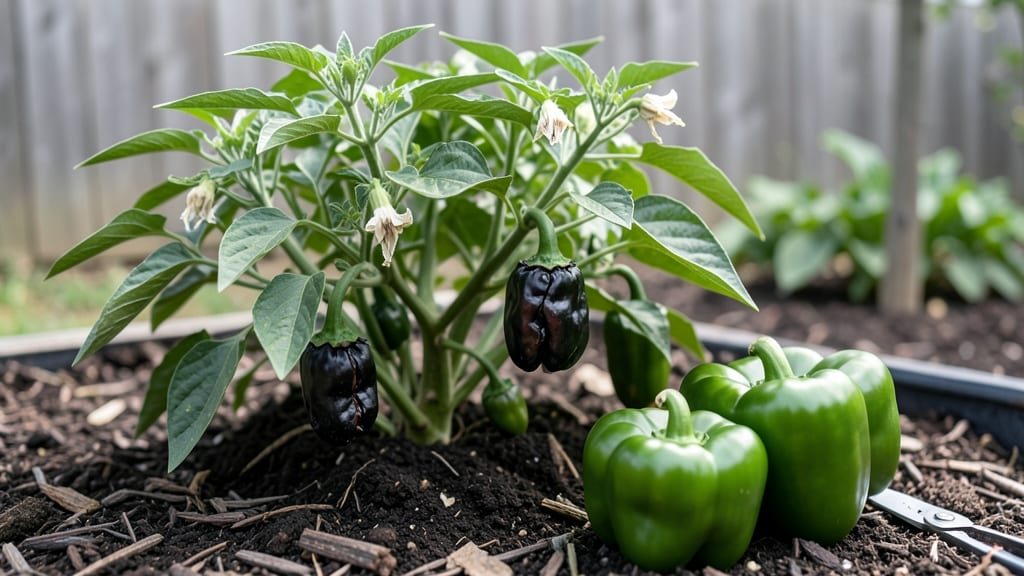
Green peppers turning black isn’t just unsightly—it’s a sign your plants are under siege. 🌱 I’ve seen healthy peppers go from vibrant green to blackened mush in just days, and I’ll show you how to stop it before it ruins your harvest.
The culprit is usually fungal blight, but it could also be pests, water stress, or even poor air circulation.
First, check the peppers for soft, mushy spots or blackened patches—those are your red flags. Fungal blight thrives in wet conditions, so if your plants are crowded or watered from above, that’s likely the problem.
The good news? You can reverse this in 3 days with the right steps, and I’ll walk you through them—no harsh chemicals needed.
Start by pruning affected peppers immediately to prevent spread, then improve airflow with stakes or pruning. A copper fungicide spray (or a baking soda mix for organic gardeners) applied in the evening will stop the fungus in its tracks.
Most importantly, water at the base in the morning so foliage dries quickly.
With these fixes, your peppers will bounce back faster than you think. The key is acting fast—don’t wait until half your plants are blackened. By tomorrow, you’ll have a plan to save your harvest and keep your garden thriving.
Root Causes of Blackened Peppers
Blackened green peppers aren’t just an eyesore—they’re a sign your plants are under stress or battling unseen threats. Understanding the why behind this discoloration is the first step to saving your harvest.
Below, we break down the most common culprits, from environmental factors to microbial invaders, with clear explanations and actionable insights.
Peppers don’t turn black overnight—often, it’s a slow progression tied to their natural lifecycle. When peppers stay on the vine too long past their prime, their cell walls break down, leading to oxidative browning (the same reaction that turns apples brown when sliced).
- Why it happens:
- Peppers are harvested at different stages (green, yellow, red), but if left unchecked, they’ll eventually overripen and soften.
- Ethylene gas, a natural plant hormone, accelerates ripening and can trigger enzymatic browning in the skin.
- Extreme heat or drought stress can also speed up maturation, causing premature blackening.
- How to spot it:
- The pepper is soft to the touch, wrinkled, or leaking gel-like fluid.
- Blackening starts at the stem end and spreads outward.
- Pro tip: 💡 Harvest peppers firm and vibrant green (or at your preferred ripeness stage) to avoid overmaturity. If you miss the window, pick them early and use them in cooked dishes (blackening is less noticeable when heated).
Fungal pathogens are the #1 culprit behind sudden black spots or mold on peppers. These microbes thrive in moist, warm conditions and can spread rapidly if left unchecked. The most common offenders include:
| Fungus | Symptoms | Ideal Conditions |
|---|---|---|
| Alternaria Leaf Spot | Black, concentric rings with yellow halos | High humidity (75%+), warm temps (75–85°F) |
| Phytophthora Blight | Black, water-soaked lesions; stems rot | Overwatered soil, poor drainage |
| Anthracnose | Sunken black spots with pinkish centers | Wet foliage, rainy seasons |
- Why it happens:
- Fungi spore in soil, water, or infected plant debris, then infect through wounds (e.g., insect bites, hail damage).
- Excess moisture (from overhead watering, rain, or poor airflow) creates the perfect breeding ground.
- Weak plants (due to nutrient deficiencies or stress) are more susceptible.
- How to spot it:
- Black spots expand rapidly, often with a fuzzy or powdery texture.
- Leaves may yellow and drop, and peppers develop sunken, tar-like lesions.
- Pro tip: 🌡️ Prevent fungal spread by watering at the base (not overhead), ensuring 6–12 inches of spacing between plants for airflow, and removing infected peppers immediately (don’t compost them—trash bag them!).
While less common than fungi, bacterial soft rot (Erwinia spp.) can turn peppers into a mushy, blackened mess in days. This bacteria thrives in warm, wet environments and spreads through contaminated tools, water, or insects.
- Why it happens:
- Bacteria enter through injuries (e.g., harvest cuts, insect bites) or natural openings (like the pepper’s stem).
- High humidity (80%+) and temps above 80°F accelerate bacterial growth.
- Overcrowded plants or poor sanitation (reusing dirty pruners) increase risk.
- How to spot it:
- Peppers turn black and mushy, often with a foul, fermented smell.
- Blackened areas may oozes a creamy liquid when pressed.
- Pro tip: ✨ Sterilize tools with rubbing alcohol between uses, and rotate crops to avoid soil-borne bacteria buildup. If caught early, remove infected peppers and treat with copper-based bactericides.
Peppers are tough, but extreme conditions can trigger premature blackening by disrupting their natural defenses.
- Cold Damage (Frost or Chill):
- Why it happens: Temperatures below 50°F can cause cell membrane damage, leading to oxidative stress and blackening.
- Signs: Peppers develop dark, water-soaked patches and may wrinkle or collapse.
- Sunscald (Too Much Heat):
- Why it happens: Intense sunlight (especially in hot, dry climates) causes photoxidative stress, where light energy damages plant tissues.
- Signs: Peppers near the soil surface turn black in irregular patches, often on the side exposed to direct sun.
- Poor Air Circulation:
- Why it happens: Stagnant air traps moisture and spores, creating a fungal-friendly microclimate.
- Signs: Blackening starts on lower leaves or peppers closest to the ground.
- Pro tip: 🔥 Protect peppers from frost with row covers or mulch. For sunscald, use shade cloth in peak afternoon sun. Prune plants to improve airflow and reduce humidity buildup.
Insects like aphids, thrips, and pepper maggots don’t just eat peppers—they pierce the skin, creating wounds that invite rot and blackening.
- Why it happens:
- Insect saliva introduces bacteria or fungi into the pepper’s tissue.
- Feeding damage weakens the pepper’s outer layer, making it vulnerable to oxidative browning or infection.
- Common pests to watch for:
- Aphids: Tiny green/black bugs clustering on stems.
- Pepper Maggots: White grubs inside peppers (check for small holes).
- Spider Mites: Yellow stippling on leaves (leads to stress).
- Pro tip: 🎯 Inspect plants weekly for pests, and blast them off with a strong spray of water. Use neem oil or insecticidal soap as a preventative barrier. Remove heavily infested peppers to stop the cycle.
Quick Fixes for Blackened Peppers
If your green peppers are turning black, don’t panic—this is often a fixable issue! The key is identifying the cause (like fungal blight, overwatering, or poor air circulation) and applying the right solution.
Below are practical, step-by-step fixes tailored to the most common culprits, plus prevention tips to keep your peppers healthy and vibrant.
Fungal blight thrives in damp, humid conditions, causing dark, mushy spots on peppers. Here’s how to reverse the damage in 3 days and prevent it from spreading:
🔥 Step 1: Remove Infected Peppers Immediately
- 👨🍳 Snip off any blackened or spotted peppers with clean pruning shears.
- 🗑️ Dispose of them in the trash (not compost)—fungi can survive in compost piles.
- Pro Tip: If blight has spread to leaves, remove those too to stop the fungus from feeding.
🌡️ Step 2: Improve Airflow & Reduce Humidity
Fungi love stagnant air and moisture. Break up the party with these tweaks:
- ✂️ Prune overcrowded plants to allow sunlight and air to circulate.
- 🌬️ Use a small fan (on low) near plants for 10–15 minutes daily to dry leaves.
- 🌞 Space plants 18–24 inches apart if growing in the ground or containers.
💡 Step 3: Apply Fungicide (Organic or Chemical)
- 🌿 Organic Option: Spray with a baking soda solution (1 tsp baking soda + 1 quart water + a few drops of dish soap) every 7–10 days for prevention.
- 🧪 Chemical Option: Use copper fungicide (like Cupric Hydroxide) as directed on the label.
- Pro Tip: Water in the morning so leaves dry quickly—fungi hate dry conditions!
🛡️ Step 4: Prevent Future Outbreaks
- 🌱 Rotate crops—don’t plant peppers, tomatoes, or eggplants in the same spot next year.
- 🍄 Sterilize tools with rubbing alcohol after pruning to avoid spreading spores.
- 🌱 Choose resistant varieties like ‘Aristotle’ or ‘Carmen’ peppers if blight is recurrent.
Blackened peppers can also signal root rot from soggy soil. Here’s how to revive struggling plants:
🚰 Step 1: Check Soil Moisture
- 👆 Stick your finger 1–2 inches into the soil—if it’s damp, hold off on watering.
- 💧 Water deeply but infrequently—peppers prefer 1–1.5 inches of water per week (including rain).
🌱 Step 2: Improve Drainage
- 🏗️ Amend heavy clay soil with compost or perlite to help water drain.
- 🪴 If potted, ensure containers have drainage holes and use a well-draining mix.
- Pro Tip: Raise pots off the ground to prevent water pooling.
🌿 Step 3: Adjust Watering Habits
- 🌞 Water at the base (not overhead) to avoid wetting leaves, which spreads disease.
- ⏰ Water in the early morning so foliage dries by evening.
- 🚫 Avoid waterlogging—if soil stays soggy for days, the plant may not recover.
🔄 Step 4: Repot or Transplant (If Needed)
- If roots are mushy and black, trim healthy roots and repot in fresh, dry soil.
- Pro Tip: Add mycorrhizal fungi to the soil to boost root health naturally.
Blackened peppers can also result from heat stress or cold snaps. Here’s how to protect your plants:
☀️ Step 1: Provide Shade (If Too Hot)
- 🌿 Use shade cloth (30–50%) if temps exceed 90°F (32°C).
- 🏡 Move potted peppers to a sheltered spot during heatwaves.
❄️ Step 2: Protect from Cold Drafts
- 🛡️ Cover plants with frost cloth if night temps drop below 50°F (10°C).
- 🏡 Bring potted peppers indoors if frost is forecasted.
🌱 Step 3: Mulch for Stability
- 🌿 Apply 2–3 inches of mulch (straw or wood chips) to regulate soil temperature.
- Pro Tip: Mulch keeps roots cool in summer and warm in winter!
Once you’ve fixed the issue, keep it from happening again with these long-term strategies:
| Problem | Prevention Tip | Why It Works |
|---|---|---|
| Fungal Diseases | Crop rotation + sterilize tools | Stops fungal buildup in soil. |
| Overwatering | Self-watering pots or drip irrigation | Controls moisture precisely. |
| Poor Airflow | Trellis plants or prune regularly | Reduces humidity and disease risk. |
| Pests | Neem oil spray (weekly) | Deters aphids & mites that spread disease. |
| Nutrient Deficiency | Balanced fertilizer (10-10-10) | Ensures peppers get phosphorus & potassium for fruit health. |
Final Thought: Most blackened peppers can be saved with quick action—whether it’s trimming blight, adjusting water, or shielding from extreme temps. Act fast, but don’t overreact—many peppers bounce back with the right care! 🌱✨
Frequently asked questions about blackened green peppers
Why do my green peppers turn black even when they're still firm?
This is often caused by oxidative browning or ethylene gas exposure, which speeds up ripening. Peppers left too long on the vine can develop blackened patches at the stem end due to natural cell breakdown. Harvest them when firm and vibrant green to prevent this. If it's already happening, try using them in cooked dishes where blackening is less noticeable.
Can I save peppers that are turning black from fungal blight?
Only if caught early! Remove affected peppers immediately and dispose of them in the trash (not compost). Improve airflow by pruning crowded plants and watering at the base in the morning. Apply a copper fungicide or baking soda spray (1 tsp baking soda + 1 quart water) every 7-10 days. Most peppers will recover within 3 days if you act quickly.
What's the difference between black spots from blight and natural ripening?
Blight spots are dark, mushy, and often fuzzy, while natural ripening causes wrinkling and blackening at the stem end without softness. Blight spots spread rapidly and may appear on leaves first, while natural ripening affects only the pepper itself. Check for yellowing leaves or blackened stems—those are red flags for disease.
Will blackened peppers still be safe to eat?
If the blackening is from oxidative browning (no soft spots or foul smell), they're still safe to eat—just use them in cooked dishes. However, if peppers are mushy, oozing liquid, or have a foul odor, they're infected and should be discarded. Fungal or bacterial rot can make peppers unsafe to consume. When in doubt, toss it!
How can I prevent blackening in my pepper plants next season?
Start with crop rotation—don't plant peppers in the same spot yearly. Use resistant varieties like 'Aristotle' or 'Carmen', and ensure proper spacing (18-24 inches apart) for airflow. Water at the base in the morning, and apply neem oil weekly as a preventative. Sterilize tools between uses to avoid spreading spores.