
Diseases
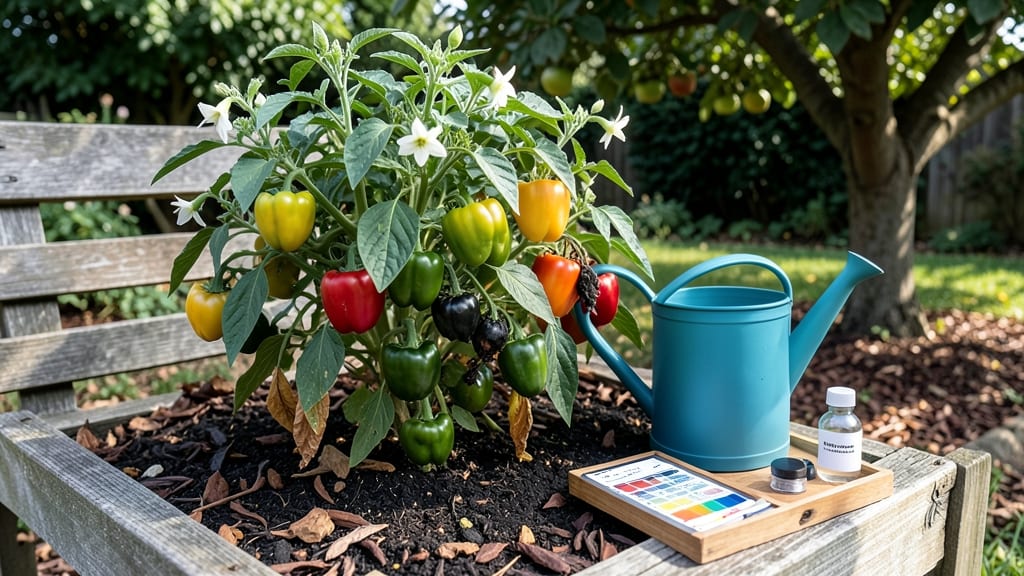
Your bell peppers turning black isn’t a death sentence—it’s usually a cry for help from overwatering or poor sunlight. 🌱 I’ve seen this happen to my own plants, and the fix is simpler than you’d think: adjusting watering and airflow can turn those sad, blackened peppers around in days.
The most common culprits are soggy soil (roots can’t breathe) or fungal infections like anthracnose, which thrives in damp conditions. Check for dark, sunken spots on stems or leaves—those are red flags. Even pests like aphids can stress plants enough to trigger blackening, but they usually leave sticky residue behind.
Start by letting the top 2 inches of soil dry out between waterings, and prune plants to improve airflow. If you suspect fungus, a neem oil spray (1 tsp per quart of water) applied every 7 days works wonders.
Within a week, you’ll see fresh green growth where black spots once were. This works for all pepper varieties, from sweet bell peppers to hot jalapeños. The key is consistency—once you adjust watering, stick with it. Your plants will thank you with vibrant, healthy fruit by harvest time.
Root Causes Behind Black Peppers
If your once-vibrant bell peppers are now sporting dark, blackened patches or turning entirely black, don’t panic—there’s usually a logical (and fixable) reason behind it. Understanding the science behind these changes helps you take precise action.
Below, we break down the most common culprits, from environmental stressors to microbial invaders, and explain why they trigger this discoloration.
Bell peppers are tropical plants at heart, and they hate sudden temperature drops—especially below 50°F (10°C). When exposed to cold nights, wind, or frost, their cells rupture due to cold stress, causing blackened patches or even full fruit necrosis. This happens because:
- Cell membrane damage: Cold temperatures stiffen cell membranes, disrupting nutrient flow and leading to oxidative stress. The peppers’ tissues break down, turning black as enzymes release phenolic compounds (natural pigments that darken when damaged).
- Water crystallization: Ice formation inside plant cells can physically rupture them, a process called freeze-thaw injury. This is why black spots often appear after a hard frost or chilly overnight temps.
- Metabolic shutdown: Cold slows photosynthesis and respiration, starving the pepper of energy to repair damage. Without warmth, the fruit “gives up” and darkens.
Actionable fix: Protect peppers with row covers, mulch, or move potted plants indoors if temps dip. Aim for daytime highs of 70–85°F (21–29°C) and nighttime lows above 55°F (13°C).
Bell peppers thrive in consistently moist (not soggy) soil, but overwatering is a silent killer. When roots sit in waterlogged conditions for days, they suffocate due to:
- Oxygen deprivation: Roots need oxygen to respire and absorb nutrients. Excess water displaces oxygen, triggering anaerobic conditions. This forces roots to switch to inefficient fermentation, producing toxic byproducts like ethanol.
- Fungal invasion: Waterlogged soil becomes a breeding ground for Phytophthora and Pythium, fungi that rot roots and block water/nutrient uptake. The pepper fruit then starves, turning black from lack of chlorophyll and nutrient transport.
- Toxicity buildup: Overwatering leaches nutrients like nitrogen but leaves behind harmful salts. High salt concentrations in the soil burn root cells, causing systemic blackening.
Actionable fix:
- Test soil moisture by sticking your finger 1–2 inches deep; water only if dry.
- Improve drainage with raised beds or perlite/sand amendments.
- Use drip irrigation (not overhead watering) to keep foliage dry and reduce fungal risk.
Blackened bell peppers can signal fungal infections like Alternaria leaf spot, Botrytis rot, or Anthracnose. These pathogens thrive in warm, humid conditions (75–85°F / 24–29°C with >75% humidity) and exploit weak spots:
- Spore germination: Fungal spores land on peppers, germinate in damp conditions, and penetrate through stomata (tiny pores) or wounds. They secrete enzymes that digest cell walls, causing black, sunken lesions.
- Necrotic tissue spread: Infected cells release more spores, creating a feedback loop. Botrytis, for example, produces gray mold that turns fruit entirely black and mushy.
- Systemic stress: Fungal toxins disrupt the pepper’s vascular system, blocking water and nutrient flow. The fruit darkens as it effectively “drowns” from the inside out.
Actionable fix:
- Remove and destroy infected peppers (don’t compost them!).
- Apply copper fungicide or a baking soda spray (1 tbsp baking soda + 1 quart water + a drop of dish soap) every 7–10 days.
- Space plants for airflow and water at soil level to keep foliage dry.
While less common than fungi, Erwinia bacteria cause soft rot, turning peppers black, mushy, and foul-smelling. These bacteria:
- Break down pectin: They secrete enzymes like pectinase that dissolve the pepper’s cell walls, causing collapse and blackening.
- Thrive in wounds: Cuts, insect damage, or even rough handling create entry points. Once inside, they multiply rapidly in warm, moist conditions.
- Spread through sap: Infected plants ooze bacterial-laden sap, contaminating healthy peppers via tools, hands, or rain splash.
Actionable fix:
- Sterilize pruners with rubbing alcohol between cuts.
- Rotate crops annually to break the bacterial cycle.
- Use hydrogen peroxide spray (1 tbsp per quart of water) as a preventative.
A lack of key nutrients can also turn peppers black, though it’s often misdiagnosed. The most critical deficiencies are:
| Nutrient | Role in Peppers | Blackening Signs |
|---|---|---|
| Calcium | Strengthens cell walls and prevents blossom-end rot (though peppers show it on the stem end instead). | Black, leathery patches near the stem; fruit may also crack. |
| Magnesium | Activates enzymes for photosynthesis and nutrient transport. | Interveinal chlorosis (yellowing between veins) that progresses to blackened, necrotic spots. |
| Potassium | Regulates water balance and disease resistance. | Black, shriveled patches on fruit edges; peppers may also develop brown scorch marks. |
Actionable fix: Conduct a soil test and amend with:
- Crushed eggshells or lime for calcium.
- Epsom salt (magnesium sulfate) for magnesium.
- Banana peel tea or wood ash for potassium.
Fixing Black Bell Peppers Fast
Now that you know what’s causing those unsightly black spots or patches on your bell peppers, let’s roll up our sleeves and get them back to their vibrant, crunchy best! The good news? Most of these fixes are simple, actionable, and won’t require a degree in horticulture.
Below, we’ve mapped out practical solutions for each common cause—plus prevention tips to keep your peppers looking fresh all season long.
---
If your peppers are drowning in moisture, they’ll start to rot, turn black, or develop fungal infections. Here’s how to drain the excess water and save your crop:
#### 💦 Step 1: Adjust Your Watering Routine - Water deeply but less often—aim for 1–1.5 inches of water per week, including rainfall.
Use your finger to check soil moisture: if the top 1–2 inches are dry, it’s time to water. - Water at the base (not overhead) to prevent fungal spores from splashing onto leaves and fruit.
A drip irrigation system or soaker hose is your best friend here. - Morning is key—watering in the early hours gives foliage time to dry before evening humidity sets in.
#### 🌱 Step 2: Improve Soil Drainage - If your soil is clay-heavy or compacted, mix in compost, perlite, or coarse sand to loosen it up. Aim for a well-draining potting mix (50% peat/compost, 30% perlite, 20% vermiculite). - Raise beds or containers slightly to encourage runoff.
If planting in the ground, consider mounding soil around the base of plants for better aeration.
#### 🧹 Step 3: Prune and Air Out - Remove any blackened or mushy peppers immediately to prevent further rot from spreading. - Trim yellowing or diseased leaves with clean pruners (sterilize with rubbing alcohol). This improves airflow and reduces humidity around the fruit.
#### 💡 Pro Tip: The "Sponge Test" Squeeze a handful of soil—if it squeezes out water like a wet sponge, you’re overwatering. If it crumbles easily, you’re golden.
---
Blackened peppers from sun scorch or insufficient light need a quick fix to bounce back. Here’s how to balance their light exposure:
#### 🌞 Step 1: Shield from Harsh Afternoons - If your peppers are blackened on one side, they’re likely getting too much direct midday sun (especially in hot climates). - Use shade cloth (30–50%) during peak sun hours (11 AM–3 PM) to diffuse the intensity. - Plant near taller crops (like corn or sunflowers) to provide natural shade.
#### ❄️ Step 2: Protect from Cold Drafts - If blackening happens overnight or in cool weather, your peppers might be chilled.
Move containers to a sheltered spot or cover plants with frost cloth if temps dip below 50°F (10°C). - Mulch heavily with straw or wood chips to insulate roots and keep soil temps stable.
#### 🌱 Step 3: Rotate for Even Growth - If peppers are leaning or unevenly colored, they’re stretching toward light. Rotate plants every few days to ensure even exposure. - Prune lower leaves to improve airflow and light penetration to the base of the plant.
#### 💡 Pro Tip: The "Shadow Test" Place a white piece of paper under a pepper for an hour. If it’s burning or fading, the sun is too intense. Adjust shade or watering accordingly.
---
Fungal infections like anthracnose or alternaria thrive in damp conditions. Here’s how to starve them out and restore your peppers:
#### 🧼 Step 1: Clean Up the Battlefield - Remove all infected plant debris (leaves, fruit, stems) and dispose of it in the trash (not compost—fungi can survive!). - Sterilize tools with a 10% bleach solution (1 part bleach to 9 parts water) between cuts.
#### 🌿 Step 2: Boost Airflow - Space plants 18–24 inches apart to reduce humidity and encourage drying. - Prune inner foliage to improve circulation—think of it like "opening the windows" for your pepper plants.
#### 💧 Step 3: Fungal-Fighting Sprays - Baking soda spray: Mix 1 tsp baking soda + 1 tbsp vegetable oil + 1 tsp mild soap in 1 quart of water.
Spray every 7–10 days (especially after rain). - Neem oil or copper fungicide: Apply weekly as a preventative. Follow label instructions for safety. - Milk spray (yes, really!): Mix 1 part milk to 9 parts water and spray on leaves.
The lactic acid helps prevent fungal spores from germinating.
#### 💡 Pro Tip: The "Morning Mist" Hack If you must water leaves (e.g., for seedlings), do it early in the day so foliage dries by evening. Avoid overhead watering after dark—this is a fungal buffet!
---
Pests like aphids or spider mites can cause blackening by injecting toxins or spreading disease. Here’s how to evict them for good:
#### 🕷️ Step 1: Inspect and Isolate - Check undersides of leaves for tiny pests. If found, isolate the plant until treated. - Blast them off with a strong spray of water (aphids hate this!).
#### 🍋 Step 2: Natural Pest Repellents - Soap spray: Mix 1 tbsp mild liquid soap in 1 quart of water.
Spray directly on pests (test on a small area first). - Insecticidal soap or neem oil: Apply every 5–7 days until pests vanish. - Introduce predators: Ladybugs and lacewings love aphids—buy them online or attract them with dill or fennel plants.
#### 💡 Pro Tip: The "Sticky Trap" Trick Place yellow sticky traps near plants to catch flying pests like whiteflies. Check them daily and replace as needed.
---
Extreme heat or cold can shock peppers into turning black. Here’s how to regulate their environment:
#### ❄️ Step 1: Shield from Cold Snaps - Move potted peppers indoors (a sunny windowsill or grow light works) if temps drop below 55°F (13°C). - Use row covers or cloches (glass jars over individual plants) to trap heat.
#### 🔥 Step 2: Beat the Heat - Mulch heavily with straw or grass clippings to keep roots cool. - Provide afternoon shade (see sunlight fixes above). - Mist leaves lightly in extreme heat (early morning only) to help them retain moisture.
#### 💡 Pro Tip: The "Thermometer Test" If your soil temp (not air temp!) exceeds 90°F (32°C), your peppers are stressed. Use a soil thermometer to monitor—ideal range is 60–85°F (15–29°C).
---
Once you’ve fixed the issue, lock in success with these long-term strategies:
| Problem | Prevention Tip | |----------------------|------------------------------------------------------------------------------------| | Overwatering | Use a moisture meter or stick your finger in the soil before watering. | | Fungal Infections| Rotate crops yearly to prevent soil-borne fungi from building up. | | Sun Scorch | Plant in partial shade if your climate is brutally hot (e.g., afternoon shade).| | Pests | Interplant with herbs (basil, marig
Frequently asked questions
Why do my bell peppers turn black on one side only?
This is usually a sign of sun scorch or uneven light exposure. When peppers receive too much direct midday sun (especially in hot climates), the side facing the sun can overheat and develop blackened patches. Try providing afternoon shade with shade cloth or planting taller crops nearby to diffuse the sunlight.
Can blackened bell peppers still be eaten?
It depends on the cause! If the blackening is from sun scorch or minor bruising, you can cut off the affected areas and eat the rest. However, if the black spots are mushy, foul-smelling, or caused by fungal/bacterial infections, it's best to discard them to avoid illness. Always inspect peppers carefully before eating.
How often should I water my bell peppers to prevent blackening?
Aim for 1–1.5 inches of water per week, including rainfall, and always check soil moisture before watering. Stick your finger 1–2 inches deep—if it feels dry, water deeply at the base. Overwatering is a common cause of blackening, so let the topsoil dry slightly between waterings. Morning watering helps prevent fungal issues.
What's the difference between black spots from overwatering vs. fungal infections?
Overwatering causes general blackening (often on multiple peppers) with soft, mushy texture and may include yellowing leaves. Fungal infections (like anthracnose) create dark, sunken spots with gray mold around edges, often starting on one pepper first. Check for spores on leaves to confirm fungal presence.
Will my blackened peppers recover if I fix the problem?
It depends on how severe the damage is! If caught early (light blackening, no mushiness), peppers can often recover with proper care. Remove severely affected fruit immediately and focus on improving airflow, adjusting watering, and applying fungicides if needed. New growth should emerge healthy within 1–2 weeks if the root system is still strong.