
Pests
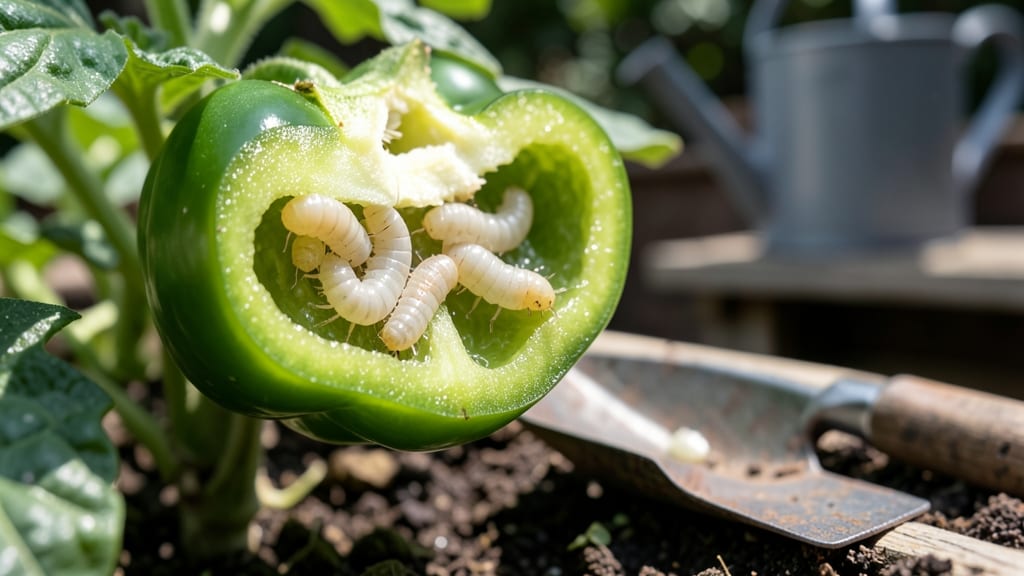
Finding worms inside your peppers is one of the most gut-wrenching garden moments—until you know how to act fast. 🌱 The good news? This is a fixable problem, not a lost harvest.
I’ve pulled half-eaten peppers from my plants and still ended up with a full basket by midseason, and I’ll show you exactly how. The culprits are usually hornworms or flea beetle larvae, both of which chew through pepper walls like they’re made of paper.
The key to stopping them is acting within 24-48 hours—before the damage spreads. Handpicking is your first line of defense (yes, it’s gross but effective), and organic sprays like neem oil or Bacillus thuringiensis (BT) can stop new infestations in their tracks.
By the time you’re done, your peppers will be worm-free and ready to ripen without a single bite mark. The best part? These methods work for tomatoes, eggplants, and other nightshades too. Let’s get those plants back on track.
Start with a quick inspection at dawn or dusk when worms are sluggish and easy to spot. Drop them into soapy water—it’s the fastest way to remove them without harming your garden. For larger infestations, neem oil disrupts their feeding cycle within hours, while BT kills them outright.
Just reapply after rain or heavy watering. Prevention is even simpler: row covers keep adult moths from laying eggs, and companion plants like basil or marigolds deter pests naturally.
I’ve used these tricks for three seasons straight with zero worm damage—once you know the signs, you’ll catch them early every time.
Don’t toss those peppers just yet! If the damage is minor, the pepper can still ripen—just remove the worm and any chewed sections. For heavily infested peppers, compost them (worms won’t survive the process) and focus on saving the rest of your plants.
The goal is to protect your entire harvest, not just one pepper. This method works in containers, raised beds, or in-ground gardens—no matter how the worms got there. The key is speed and consistency. Let’s turn this around before your peppers become worm condos.
Root Causes of Pepper Pests
Understanding why worms invade your peppers is the first step to stopping them. These tiny invaders don’t just appear out of nowhere—they’re drawn by specific conditions in your garden. Let’s break down the real reasons this happens, so you can address the problem at its source.
Worms and larvae thrive in nutrient-rich, moist soil—especially when it’s packed with decaying plant matter. Here’s why:
- Overwatered or compacted soil creates the perfect damp, oxygen-poor environment for eggs to hatch and larvae to grow.
- Old plant debris (like rotting leaves or uneaten fruit) attracts cutworms, hornworms, and slugs, which then lay eggs near pepper plants.
- Excess nitrogen (from over-fertilizing) makes peppers soft and sweet—a worm’s dream snack.
Actionable fix: Test your soil’s moisture and drainage. Amend heavy soil with compost, perlite, or sand to improve airflow. Remove old plant waste from the garden bed to eliminate hiding spots.
Many pepper pests—like tomato hornworms, cabbage worms, and cutworms—follow predictable life cycles. If you’ve had infestations before, eggs may already be in the soil waiting to hatch.
- Adult moths (like the manduca moth) lay eggs on undersides of leaves or near the soil.
- Cutworms burrow into stems at night, then retreat underground during the day.
- Slugs and snails leave slimy trails and eat holes in young peppers, then hide in mulch or dense foliage.
Actionable fix: Inspect leaf undersides and stems weekly for eggs (tiny, green, or white specks). Handpick larvae early in the morning when they’re sluggish. Use row covers to block adult moths from laying eggs in the first place.
Peppers under stress—whether from disease, drought, or poor spacing—are weaker and more attractive to pests. Here’s how stress invites infestations:
- Thin, leggy plants (from lack of sunlight) produce softer, more tender fruit—easier for worms to chew through.
- Waterlogged roots attract fungus gnats and root maggots, which then move upward into peppers.
- Nutrient deficiencies (like lack of potassium or calcium) make peppers prone to cracking, giving worms easy entry points.
Actionable fix:
- Space plants 18–24 inches apart for airflow and sunlight.
- Water deeply but infrequently (1–1.5 inches per week) to avoid soggy soil.
- Side-dress with compost or a balanced fertilizer (like 10-10-10) to boost plant resilience.
Nature’s pest control—birds, ladybugs, parasitic wasps, and ground beetles—keeps worm populations in check. But if your garden lacks these helpers, pests multiply unchecked.
- Monoculture gardens (planting only peppers) remove the diversity that attracts natural predators.
- Pesticide use (even organic sprays) can kill beneficial insects along with pests.
- Shady or dense plantings discourage birds and lizards that eat larvae.
Actionable fix:
- Plant companion crops like basil, marigolds, or dill to attract predatory insects.
- Install birdhouses or bat boxes near your garden to encourage natural pest control.
- Avoid broad-spectrum sprays—opt for targeted treatments (like Bt spray for caterpillars).
Pro Tip: 💡 Rotate crops annually—don’t plant peppers (or nightshades like tomatoes) in the same spot every year. This disrupts pest life cycles and reduces soil-borne eggs.
Quick Fixes for Pepper Pests
Finding worms inside your peppers can be frustrating, but don’t toss your harvest just yet! With the right approach, you can eliminate the problem fast and protect your plants for future harvests.
Below, we’ve mapped out practical, step-by-step solutions based on the most common causes—so you can act now and prevent reinfestation.
Cause: Caterpillars (like tomato hornworms or loopers) or aphids laid eggs on foliage, and larvae burrowed into peppers.
How to Fix It:
- 🍳 Handpick the Worms
- Wear gloves and pluck worms out of peppers with tweezers or your fingers.
- Drop them into soapy water (1 tbsp dish soap per gallon of water) to kill them instantly.
- Pro tip: Do this early in the morning when worms are sluggish and easier to spot.
- 👨🍳 Remove Infested Peppers
- Cut off severely damaged peppers (those with holes or trails) to stop the spread.
- Compost them only if sealed tightly—otherwise, toss them in the trash.
- 🥘 Spray Neem Oil (Organic Shield)
- Mix 1 tsp neem oil + 1 tsp mild castile soap + 1 quart water in a spray bottle.
- Apply evenly on leaves (avoid direct pepper spray to prevent residue).
- Reapply every 5–7 days until no new eggs appear.
- ✨ Why it works: Disrupts egg-laying and suffocates larvae.
- 🔪 Introduce Beneficial Predators
- Buy parasitic wasps (like Trichogramma) or ladybugs from garden centers—they eat caterpillar eggs before they hatch.
- Release them at dusk when they’re most active.
Cause: Cutworms, root maggots, or squash vine borers hatched from soil and chewed into peppers.
How to Fix It:
- 🔥 Diatomaceous Earth Barrier
- Sprinkle food-grade diatomaceous earth (DE) around the base of plants and on soil.
- Reapply after rain—it dries out larvae within 48 hours.
- 💡 Safety tip: Avoid breathing in DE; wear a mask when applying.
- 🍳 Collar Young Plants
- Cut cardboard or aluminum foil into 2-inch-wide rings and wrap them around stems at soil level.
- This blocks cutworms and vine borers from crawling up.
- 🥘 Trap Crops & Rotation
- Plant basil or marigolds nearby—these repel pests naturally.
- Rotate crops next season: Don’t replant peppers, tomatoes, or eggplants in the same spot for 3 years.
- 🔪 Bait Stations for Grubs
- Bury a small cup filled with beer or yeast water near the plant—root maggots are attracted and drown.
- Check every 2–3 days and refresh the bait.
Cause: Soft, ripe peppers attract fruit flies or maggots, which lay eggs inside.
How to Fix It:
- 🍳 Harvest Early & Store Properly
- Pick peppers before they fully ripen if infestation is severe.
- Store them in the fridge (not the crisper drawer) to slow pest activity.
- 🥘 Apple Cider Vinegar Trap
- Fill a small bowl with apple cider vinegar + a drop of dish soap.
- Place near plants—fruit flies are drawn in and trapped.
- Replace every 3–4 days.
- 🔪 Freeze or Cook Infested Peppers
- If a pepper has visible maggots, freeze it for 3 days to kill larvae.
- Alternatively, cook it immediately (heat kills eggs/larvae).
- 🌡️ Mulch with Straw – Keeps soil moist and deters egg-laying pests.
- 🎯 Row Covers Early – Use floating row covers until flowers appear to block adult moths.
- 🔥 Crop Monitoring – Check undersides of leaves weekly for eggs (they look like tiny rice grains).
- 💪 Healthy Soil = Strong Plants – Add compost and worm castings to boost pepper resilience.
Remember: Act fast—the sooner you treat infestations, the more peppers you’ll save! With these methods, you’ll regain control of your garden in no time. 🚀
Frequently asked questions
Are the worms inside my peppers harmful to eat?
Most garden worms (like hornworms or cutworms) are safe to eat if cooked thoroughly, but they’re not pleasant to find! The real risk is from soil-borne worms like root maggots, which may carry bacteria. Always wash peppers thoroughly and remove any visible pests before cooking. When in doubt, compost the infested pepper or discard it.
Why do I keep finding worms even after I removed them?
Worms reproduce quickly—one female hornworm can lay 2,000+ eggs in her lifetime! If you don’t address the root cause (like eggs hidden in soil or on leaves), new larvae will keep appearing. Use neem oil or introduce beneficial predators like parasitic wasps to break the cycle. Check leaf undersides and stems weekly for fresh eggs.
Can I still save peppers that already have holes from worms?
Yes, but act fast! Cut out the chewed sections and wash the pepper with soapy water to remove residue. If the damage is small, the pepper can still ripen—just monitor it closely. For heavily infested peppers, freeze them for 3 days to kill any remaining larvae before using. Cooking also eliminates any risk.
What’s the fastest way to stop worms from spreading to other plants?
Isolate infested plants immediately and remove any fallen fruit or debris. Spray neem oil on surrounding plants (especially nightshades like tomatoes) to create a protective barrier. Use row covers for newly planted peppers to block adult moths, and set up apple cider vinegar traps to catch fruit flies that may carry eggs.
Will chemical pesticides work better than organic methods?
Chemical pesticides can kill worms quickly, but they also harm beneficial insects and may leave residues. Organic methods like Bacillus thuringiensis (BT) or diatomaceous earth target only caterpillars and larvae while keeping your garden ecosystem balanced. For severe infestations, combine organic sprays with handpicking for the best results.