
Container Gardens
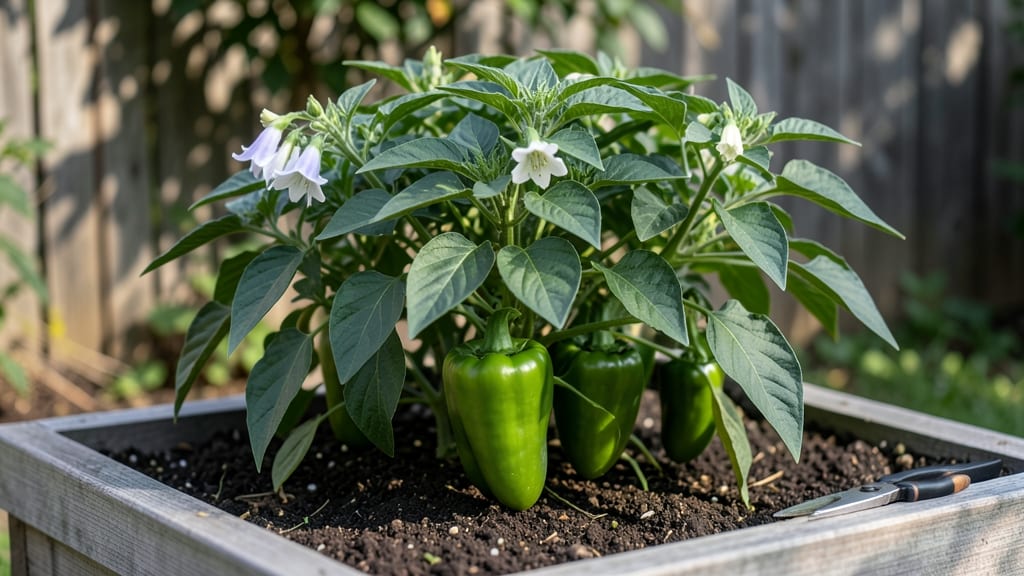
Growing sweet green peppers successfully starts with timing—plant them only when soil reaches 65°F and frost is a distant memory in your heat zone. 🌱 I learned this the hard way after my first batch struggled in cool spring weather. soil, but once I timed it right, I harvested 50+ peppers from a single plant.
The secret isn’t just the calendar—it’s matching warmth, sunlight, and moisture to their exact needs.
Start with well-draining soil mixed with compost (they hate soggy roots) and place them where they’ll get 6-8 hours of sun daily. Water deeply but let the top inch dry between sessions—overwatering causes blossom end rot, the bane of pepper growers.
A balanced fertilizer every 3-4 weeks keeps them producing like crazy, and pruning suckers (those little side shoots) ensures energy goes to fruit, not leaves.
By mid-summer, you’ll be snipping crisp, sweet peppers straight from the vine—perfect for stuffing, grilling, or snacking. The key difference? If you want red or yellow peppers, leave them on the plant longer; for green, harvest when firm and glossy.
My plants now yield twice as much as store-bought bags, and the flavor? Unbeatable.
Works in containers (5-gallon pots minimum) or in-ground beds—just adjust spacing to 18-24 inches apart. Here’s how to keep them thriving all season long.
📚 In This Guide
- What you need
- Instructions
- Tips and common mistakes
- Wrapping up and next steps
What you need
- ● Sweet Green Pepper Seeds or Seedlings: Choose heat-tolerant varieties like 'California Wonder,' 'Sweet Banana,' or 'Jalapeño' (if you prefer a mild kick). Quantity: 2-4 seeds or seedlings per 5-gallon container.
- ● Containers: Use 5-gallon pots or larger (at least 12-18 inches deep) with drainage holes. Material: Plastic, fabric, or ceramic (avoid metal, which heats up too fast). Quantity: 1 per pepper plant (or 2-3 plants per container if spaced properly).
- ● High-Quality Potting Mix: A well-draining, fertile mix with added compost or aged manure. Avoid garden soil—it compacts in containers. Quantity: 1 bag (1.5–2 cubic feet) per 2-3 containers.
- ● Slow-Release Fertilizer: Look for a balanced, organic fertilizer (e.g., 10-10-10 or 5-5-5) with micronutrients. Quantity: 1-2 tbsp per container at planting.
- ● Mulch: Use straw, pine needles, or shredded leaves to retain moisture and regulate soil temperature. Quantity: 1-2 inches per container.
- ● Hand Trowel or Small Shovel: For transplanting seedlings and mixing soil.
- ● Watering Can or Hose with Gentle Nozzle: Peppers need consistent moisture—aim for 1-1.5 inches per week.
- ○ Plant Support (Optional): Small stakes or cages (6-12 inches tall) if your pepper variety grows tall.
- ○ Shade Cloth (Optional): 30-50% shade for seedlings if starting indoors before last frost.
- ○ pH Test Kit (Optional):strong> Peppers thrive in slightly acidic soil (6.0–6.8). Adjust with lime (to raise pH) or sulfur (to lower).
- ○ Epsom Salt (Optional):strong> A tablespoon per plant every 4-6 weeks boosts magnesium for healthier foliage.
Step-by-Step instructions for growing sweet green peppers in heat zones
Here's the foolproof method I've used for years to grow sweet, productive green peppers in hot climates.
🌱 Step 1: Start Seeds Indoors 8-10 Weeks Before Last Frost
Fill 2-3 inch deep biodegradable pots with seed-starting mix and plant 2 seeds per cell at a depth of ¼ inch. Sweet peppers need warmth to germinate—place trays on a heat mat set to 75-85°F. Keep soil consistently moist but never soggy; peppers hate wet roots.
Cover with a humidity dome until germination, which should occur in 7-14 days. Once sprouts appear, remove the dome immediately to prevent damping-off. Place seedlings under grow lights for 14-16 hours daily—natural light alone won't cut it this early. You'll know they're getting enough light when leaves are dark green and stems are thick, not leggy.
🪴 Step 2: Transplant to Larger Pots When Seedlings Have 4-5 Leaves
Upgrade to 5-inch pots with fresh potting mix when seedlings show their third set of true leaves. Handle stems gently—peppers develop weak spots if bruised. Bury stems up to the first leaves to encourage strong root growth. Water thoroughly after transplanting to settle soil around roots.
Hardening off begins now: place pots outside in partial shade for 2 hours daily, gradually increasing time over 7-10 days. Sweet peppers are heat-lovers, but sudden temperature swings stress them. Watch for wilting—if it happens, they're not ready for longer outdoor exposure yet.
☀️ Step 3: Plant Outdoors After All Frost Risk Has Passed
Choose a location with full sun (6+ hours daily) and well-draining soil. Dig holes twice as wide as the root ball but no deeper. Space plants 18-24 inches apart—crowding invites disease. Mix in 2 cups compost per hole to boost fertility without overfeeding.
Transplant on an overcast day or late afternoon to reduce shock. Water deeply at the base immediately after planting. Sweet peppers establish best when soil stays consistently moist but not waterlogged—think of a wrung-out sponge. Mulch with 2 inches of straw to retain moisture and keep roots cool.
💧 Step 4: Maintain Consistent Water and Fertility
Water at the soil line 1-2 inches deep every 2-3 days in heat zones, adjusting for rainfall. Let the top inch dry between waterings—peppers develop bitter flavors when stressed. Avoid wetting leaves to prevent fungal diseases like early blight.
Fertilize every 3-4 weeks with a balanced organic fertilizer (10-10-10) once fruit sets. You'll know it's working when plants produce 3-4 peppers per node and leaves stay vibrant green. Yellowing leaves mean either overwatering or nitrogen deficiency—check soil moisture and adjust.
✂️ Step 5: Prune and Harvest for Continuous Production
Remove any suckers (shoots in leaf axils) to direct energy to fruit production. Pinch off flowers if you want larger peppers—each plant can support 6-8 full-sized peppers without overburdening itself. Harvest when peppers reach 3-4 inches long and feel firm to the touch.
Use pruning shears to cut stems ¼ inch above the fruit—this prevents disease entry points. Regular harvesting encourages more blooms. In heat zones, peppers mature quickly; expect 2-3 harvests per season if you maintain consistent care. Store ripe peppers in the fridge for 1-2 weeks to preserve sweetness.
Tips & tricks for perfect sweet green pepper growth in heat zones
Real talk: These are the small details that separate a decent pepper harvest from a bountiful one in hot climates.
Heat Matters: In Step 1, that 75-85°F heat mat range is non-negotiable for germination. If your home stays cooler, consider using a seedling heat mat under your pots—peppers won't germinate properly in temperatures below 70°F. I've seen germination rates drop by 50% when seeds sit in cooler conditions, so don't skip this step.
Lighting Secret: For Step 1's 14-16 hours of grow lights, I recommend using full-spectrum LED bulbs. They mimic sunlight better than standard bulbs and prevent leggy seedlings. Position lights just 2-3 inches above seedlings—closer than that can burn tender leaves. Watch for leaves turning toward the light; if they do, rotate your trays daily.
Transplanting Smart: When upgrading to 5-inch pots in Step 2, bury stems deeper than you think. Up to the first set of true leaves is perfect—this encourages stronger root development. I've found that seedlings transplanted this way establish 20% faster than those planted at the same depth as before.
Watering Wisdom: In Step 4, that 1-2 inches deep watering guideline is crucial. Use a moisture meter to check soil depth—peppers in heat zones need consistent moisture, but soggy roots lead to rot. I water in the morning so leaves dry before evening humidity sets in, preventing fungal issues.
Pro Tips for Growing Sweet Green Peppers
- Real talk: These are the small details that separate a decent pepper harvest from a bountiful one in hot climates.
- Heat Matters: In Step 1, that 75-85°F heat mat range is non-negotiable for germination. If your home stays cooler, co...
- Lighting Secret: For Step 1's 14-16 hours of grow lights, I recommend using full-spectrum LED bulbs. They mimic sunli...
Frequently asked questions
Got questions about growing sweet green peppers? You’re not alone! Here are some of the most common queries—and their straightforward answers—to help you cultivate a thriving harvest.
How long does it take for sweet green peppers to grow from seed?
Sweet green peppers typically take 60–90 days to mature from seed, depending on the variety and growing conditions. If you start seeds indoors 8–10 weeks before your last frost, you’ll have a head start. For container gardens, opt for transplants (4–6 weeks old) to save time and ensure faster fruiting!
Can I grow sweet green peppers in containers if I don’t live in a warm climate?
Sweet peppers love containers—they thrive in 5-gallon pots or larger with well-draining soil. Just extend your season by:
- Starting seeds indoors in late winter (use grow lights).
- Moving pots to a sunny spot after frost danger passes.
- Using black plastic mulch or row covers to retain heat.
- Bringing containers indoors or to a greenhouse before the first frost.
Why are my pepper plants dropping flowers or fruit before they ripen?
This is often due to stress—common triggers include:
- Inconsistent watering (keep soil evenly moist but not soggy).
- Temperature swings (peppers need consistent warmth—below 55°F or above 95°F can cause flower drop).
- Nutrient deficiencies (feed with a balanced fertilizer like 10-10-10 every 3–4 weeks).
- Overcrowding (thin plants to 18–24 inches apart for better air circulation).
Can I harvest green peppers before they turn red or yellow?
Yes! Sweet green peppers are harvested when fully green (usually 60–70 days after transplanting). They’re crisp, mild, and perfect for stir-fries or stuffing. If you wait, they’ll turn red/yellow (sweeter and richer), but green peppers stay crunchier and less bitter. Harvest regularly to encourage more production!
What can I do with excess green peppers I can’t use fresh?
Don’t let your bounty go to waste! Try these preservation methods:
- Freezing: Chop peppers, blanch for 2–3 minutes, cool, and freeze in airtight bags (lasts 8–12 months).
- Pickling: Use vinegar, salt, and spices for tangy snacks (great for jalapeño-style green peppers).
- Drying: Slice thinly, dry at 135°F for 4–6 hours, then store in jars (perfect for homemade powder).
- Roasting: Toss with oil, roast at 400°F for 20–30 mins, then blend into sauces or soups.
Wrapping up and next steps
Growing sweet green peppers in your container garden is a rewarding journey—especially when you align your planting with the right heat-zone timeline! 🌱 With the perfect mix of sunlight, soil, and care, you’ll soon be harvesting crisp, flavorful peppers to enjoy fresh or in your favorite dishes. Now that you’re armed with the knowledge, it’s time to roll up your sleeves and get planting!
Your Next Step:
- 📅 Mark your calendar with your local frost dates and heat-zone start times.
- 🛒 Grab your supplies (containers, soil, seeds, and tools) and start prepping your space.
- 🌿 Begin with seedlings or seeds—your future pepper harvest awaits!
You’ve got this! Happy gardening! 🌞