
Planting
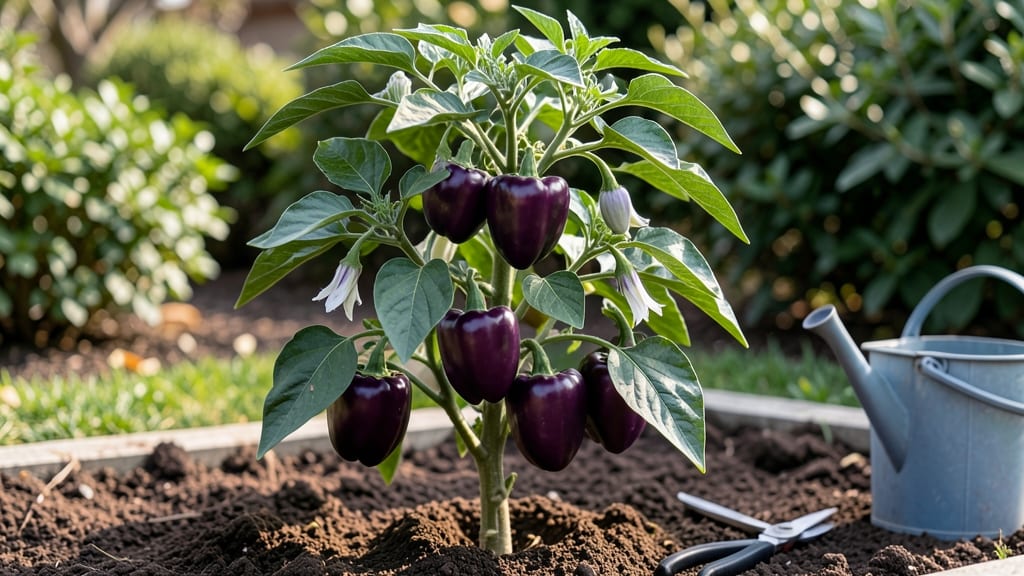
Growing a purple bell pepper plant means unlocking a harvest that’s shockingly vibrant and packed with flavor—if you nail the heat zone details. 🌱 I’ve learned the hard way that these peppers need consistent warmth, and planting too early in cool zones guarantees disappointment (trust me, I’ve tried).
The secret lies in matching your zone to the right timing, soil prep, and sunlight strategy that keeps the fruits turning deep purple instead of green. Start with rich, well-draining soil mixed with compost—purple peppers thrive when fed but hate soggy roots.
Plant after your last frost when soil temps hit 60°F or warmer, and space them 18 inches apart for airflow. In hotter zones (8-10), they’ll bolt faster, so succession planting every 2 weeks extends your harvest. The payoff?
Peppers that stay purple longer and taste sweeter than their green cousins. By midsummer, you’ll be snipping plump, glossy peppers that turn heads at farmers’ markets. The key is consistent watering (deep but not daily) and a balanced fertilizer—too much nitrogen = leafy monsters, not fruit.
Even in cooler zones (5-7), with black plastic mulch and a cold frame, you can push the season just enough for a decent harvest. Don’t overlook the purple varieties’ quirks: they’re more sensitive to temperature swings than green peppers.
If your zone’s summer heat dips below 75°F, shade cloth helps prevent sunscald. And when harvesting, leave a ½-inch stem—it keeps new peppers coming all the way into fall.
📚 In This Guide
- What you need
- Instructions
- Tips and common mistakes
- Wrapping up and next steps
What you need
- ● Purple Bell Pepper Seeds or Seedlings: Start with 6–10 seeds (if sowing indoors) or 2–3 healthy seedlings (if transplanting). Look for varieties like 'Purple Beauty' or 'Lavender.'
- ● Containers or Garden Space: Containers: 5-gallon pots or larger (at least 12–18 inches deep) with drainage holes. 3–5 plants per container max.
- ● Garden Beds: Full sun (6+ hours/day) in well-draining soil. Space plants 18–24 inches apart in rows.
- ● High-Quality Potting Mix: 1 part compost + 1 part peat moss or coconut coir + 1 part perlite (for aeration). Avoid garden soil—it’s too dense!
- ○ Fertilizer: Balanced fertilizer (10-10-10) or tomato/vegetable-specific fertilizer (follow package rates). Optional: Add Epsom salt (1 tbsp/gallon) for magnesium.
- ● Watering Supplies: Watering can with a rose attachment (for gentle watering) or a drip irrigation system (to keep soil moist).
- ○ Support Structures (Optional but Helpful):strong> Cages or stakes (for tall varieties) or tomato cages (repurposed!).
- ● Heat Tolerance: Soil temps should stay above 60°F (15°C) for germination. Use a seedling heat mat if starting indoors in cooler zones.
- ● Protection from Frost: If in Zones 3–8, wait until after the last frost (or use row covers for early starts).
- ● Mulch: Straw or black plastic mulch to retain heat and moisture (especially in Zones 3–7).
- ● pH Test Kit: Aim for soil pH 6.0–6.8 (peppers are picky!). Adjust with lime (to raise pH) or sulfur (to lower).
- ● Pruning Shears: For trimming excess leaves or deadheading spent blooms.
- ● Pest Control: Neem oil or insecticidal soap (for aphids/spider mites).
- ● Grow Lights (Indoor Starter): LED grow lights (12–16 hrs/day) if germinating indoors before transplanting.
Step-by-Step instructions for growing purple bell peppers in your heat zone
Let’s get your purple peppers thriving—here’s how to match their needs to your climate.
🌱 Step 1: Choose the Right Heat Zone and Planting Time
Purple bell peppers love warmth and won’t tolerate frost. Plant them after your last frost date when soil temperatures reach at least 65°F. In cooler zones (below Zone 8), start seeds indoors 8-10 weeks before transplanting. You’ll know it’s time when nearby plants like tomatoes are already flowering.
If you’re in a hotter zone (Zone 9+), direct-sow seeds after April 15 for a summer harvest. In desert climates, plant in fall to avoid scorching—peppers need consistent moisture, not extreme heat. Watch for local heat advisories; peppers wilt fast in 95°F+ without afternoon shade.
☀️ Step 2: Select a Sunny Spot with Shelter
Purple bell peppers need 6-8 hours of full sun daily, but they also appreciate protection from harsh afternoon winds. If your garden gets intense midday heat, provide 30% shade cloth during peak hours. I’ve found that planting near taller crops (like corn or sunflowers) gives them shade without blocking light entirely.
Soil should drain well but retain moisture—amend heavy clay with 2-3 inches of compost before planting. Test your soil’s pH (aim for 6.0-6.8); peppers hate soggy roots. If your area floods easily, raise beds 6 inches or use containers with drainage holes.
💧 Step 3: Water Deeply and Keep Soil Evenly Moist
Water peppers at the base 1-1.5 inches per week, more in extreme heat. Let the top 1-2 inches of soil dry between waterings to prevent rot. I use drip irrigation to avoid wetting leaves, which reduces fungal diseases like powdery mildew. You’ll see wilting in the afternoon if they’re thirsty—water immediately and mulch with 2 inches of straw to lock in moisture.
Never let peppers dry out completely, especially when fruits form. Drooping leaves or blossom-end rot (black spots on peppers) mean you’re over- or under-watering. Adjust based on your heat zone: Zone 10+ may need daily watering in summer, while Zone 7 might only need twice weekly.
✂️ Step 4: Prune and Fertilize for Bigger Harvests
Pinch off the first few flowers to encourage bushier growth. Once established, prune suckers (shoots growing between the main stem and branches) to direct energy to fruit production. I also remove any leaves touching the soil to improve airflow and reduce pests.
Fertilize lightly every 4-6 weeks with a balanced 10-10-10 or organic compost tea. Too much nitrogen makes peppers leafy but fruitless. Stop fertilizing 4-6 weeks before harvest to let flavors concentrate. Purple peppers often ripen unevenly—pick them when fully colored, even if some spots stay green.
Tips & tricks for thriving purple bell pepper plants
Between us, purple bell peppers are divas—they demand just the right conditions. Here’s how to keep them happy and productive.
Heat Zone Hack: Those 65°F soil temperatures in Step 1 are non-negotiable. I use a soil thermometer to check before planting—cold soil shocks young plants. In Zone 9+, I always plant in morning sun to avoid the afternoon heat spike above 95°F that can scorch leaves. A simple shade cloth makes all the difference during those brutal summer afternoons.
Sunlight Strategy: The 6-8 hours of full sun in Step 2 is a minimum, not a maximum. If your garden gets intense afternoon sun, supplement with 30% shade cloth during peak hours. I’ve seen peppers wilt dramatically when exposed to direct midday heat without protection. Even a few hours of relief can prevent stress and improve fruit set.
Watering Wisdom: The 1-1.5 inches per week guideline in Step 3 is a baseline—adjust based on your climate. In my Zone 10 garden, I water daily in summer, but in cooler Zones 7-8, twice weekly is often enough. The key is consistency: let the top 1-2 inches of soil dry between waterings, but never to the point of wilting. Drip irrigation is my secret weapon—it delivers water directly to the roots without wetting leaves, which prevents fungal diseases.
Soil Secret: That 6.0-6.8 pH range in Step 2 is critical, but don’t stop at testing. I add 2-3 inches of compost to my beds before planting, and I top-dress with a thin layer of compost every 4-6 weeks to maintain fertility. For containers, I mix in 30% perlite to improve drainage—peppers hate soggy roots, and containers can trap moisture.
Pro Tips for Purple Bell Pepper Plant
- Between us, purple bell peppers are divas—they demand just the right conditions. Here’s how to keep them happy and pr...
- Heat Zone Hack: Those 65°F soil temperatures in Step 1 are non-negotiable. I use a soil thermometer to check before p...
- Sunlight Strategy: The 6-8 hours of full sun in Step 2 is a minimum, not a maximum. If your garden gets intense after...
Frequently asked questions
What heat zones do purple bell pepper plants thrive in?
Purple bell peppers love warmth! They grow best in USDA zones 9-11 year-round, but in cooler zones (like 5-8), plant them after the last frost (around May-June) and protect them with row covers or containers. If you’re in a zone 4 or below, opt for short-season varieties or grow them indoors under grow lights.
How long does it take for a purple bell pepper plant to produce fruit?
Be patient—purple bell peppers take 60-90 days to mature from transplant to harvest, depending on the variety. Early varieties (like ‘Aristotle’) may fruit in 55-65 days, while heirlooms can take longer. Pro tip: Prune lower leaves to improve airflow and speed up fruiting!
Why aren’t my purple bell peppers turning purple?
If your peppers stay green or yellow, it’s usually due to cool temperatures (below 65°F) or lack of sunlight. Purple peppers need full sun (6+ hours/day) and warm soil (70°F+) to develop their vibrant hue. Try moving potted plants to a sunnier spot or use a black plastic mulch to warm the soil faster.
Can I grow purple bell peppers in containers?
Purple bell peppers thrive in 5-gallon containers or larger with well-draining soil. Choose compact varieties like ‘Purple Flash’ or ‘Jupiter,’ and ensure the pot has drainage holes. Place containers in full sun and fertilize every 2-3 weeks with a balanced 10-10-10 or tomato fertilizer for best results.
What pests or diseases should I watch for with purple bell pepper plants?
Common threats include aphids, spider mites, and hornworms (those hungry caterpillars!). For prevention, neem oil or insecticidal soap works well. Watch for blossom end rot (black spots on peppers) due to calcium deficiency—fix it by adding crushed eggshells or calcium supplements to the soil. Pro tip: Rotate crops annually to prevent soil-borne diseases.
Wrapping up and next steps
Growing a purple bell pepper plant is a rewarding journey that brings vibrant color and flavor to your garden—or even your windowsill! 🌱 With the right heat zone, sunlight, and care, you’ll enjoy a bountiful harvest packed with nutrients and taste.
Whether you’re a seasoned gardener or just starting, remember that patience and attention to detail make all the difference.
Ready to take the next step? Start by selecting the perfect spot in your garden (or balcony) and plant your seeds or seedlings today. Happy growing—your future harvests await! 🌿