Propagation
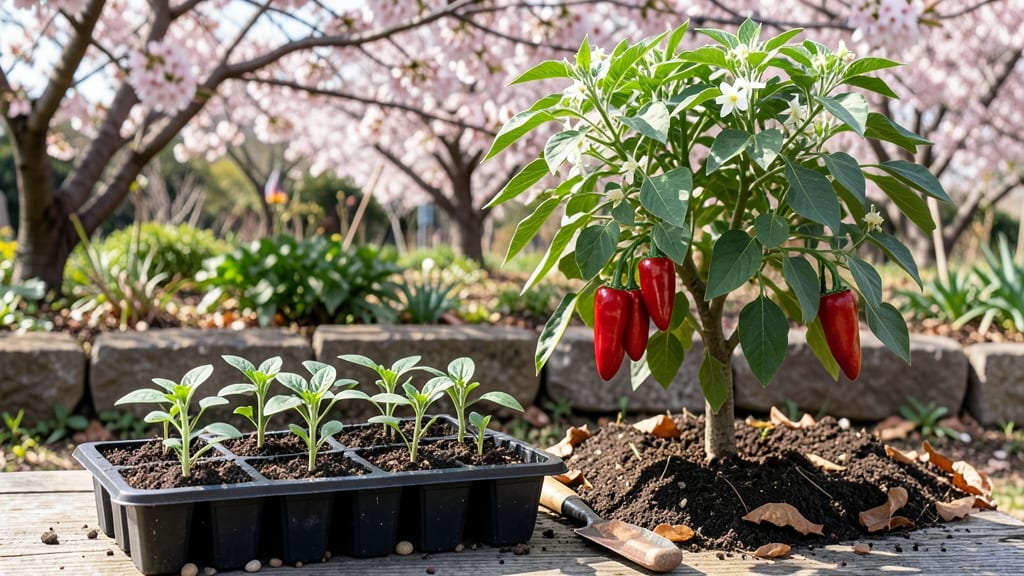
Growing Korean red pepper seeds unlocks a harvest of fiery, glossy peppers that outshine store-bought varieties. 🌶️ I’ve grown them for years, and the secret isn’t just patience—it’s mimicking their tropical roots with warmth, humidity, and just the right amount of sunlight.
These seeds need a head start indoors, but once they hit the garden, they reward you with bold flavors and heat that lingers.
The key to success starts with 70-80°F soil and 6-8 hours of sunlight daily—whether under grow lights or in a sunny window. Use well-draining potting mix, keep it moist (not soggy), and transplant seedlings outdoors only after the last frost when night temps stay above 55°F.
Korean red peppers thrive in heat, so if your summers are scorching, they’ll keep producing long after other varieties fade.
By midsummer, you’ll see clusters of deep red peppers forming, each one packed with 2-3 times the capsaicin of jalapeños. The harvest stretches from July through October, and the flavor only deepens as they ripen.
Store them in a cool, dark place, and you’ll have homegrown heat for salsas, kimchi, or fermenting—no grocery store in sight.
For beginners, start with 3-4 seeds to test your setup, and don’t rush transplanting—wait until seedlings are 4-6 inches tall with sturdy stems. Advanced growers can experiment with succession planting every 2 weeks for a continuous harvest.
Either way, these peppers deliver a punch that’s worth every extra week of care.
📚 In This Guide
- What you need
- Instructions
- Tips and common mistakes
- Wrapping up and next steps
What you need
- ● Korean red pepper seeds: 10–20 seeds (choose heirloom or hybrid varieties like Gochugaru or Chari Pepper for authentic flavor)
- ● Seed-starting trays or biodegradable pots: 2–4 inch deep (10–15 pots, depending on seed quantity)
- ● High-quality seed-starting mix: Lightweight, sterile, and well-draining (1–2 bags, ~10–15 lbs total)
- ● Grow lights or sunny windowsill: 6–8 hours of light daily (LED grow lights work best for indoor starts)
- ● Spray bottle with water: For gentle seedling hydration (avoid overwatering!)
- ● Plastic wrap or humidity dome: To retain moisture during germination
- ○ Fertilizer (optional but helpful): Balanced liquid fertilizer (5-5-5 NPK) or compost tea for seedlings
- ● Heating mat: Speeds up germination (70–80°F ideal)
- ● pH testing kit: Keep soil pH between 6.0–6.8 for optimal growth
- ● Support stakes or cages: For taller varieties (e.g., Chari Pepper can reach 3–4 feet!)
- ● Pruning shears: For shaping plants and encouraging bushier growth
- ● Label markers: Track varieties and planting dates
Step-by-step instructions for growing Korean red pepper seeds
Here's how to cultivate fiery, flavorful Korean red peppers from seed—my foolproof method for bold harvests.
🌱 Step 1: Start Seeds Indoors with Warmth and Patience
Korean red pepper seeds need warmth to germinate, so begin indoors 6-8 weeks before your last frost date. Fill biodegradable seedling pots (3-4 inches deep) with sterile seed-starting mix—never garden soil, as it harbors pathogens. Moisten the mix until it feels like a damp sponge, then press it down gently to remove air pockets.
Plant 2-3 seeds per pot at a depth of ¼ inch—too deep and they'll struggle to break through. Cover lightly with additional mix and mist the surface until evenly damp. Place the pots in a seedling heat mat (75-85°F) to speed germination, which typically takes 10-14 days. Keep the soil consistently moist but never soggy—damping-off fungus thrives in overly wet conditions.
☀️ Step 2: Provide Bright Light and Prevent Leggy Growth
The moment seedlings emerge, move them under grow lights (14-16 hours daily) or to a south-facing window. Korean red peppers crave light—without it, they stretch weakly toward any source (called "leggy"). You'll spot leggy seedlings by their thin stems and wide spacing between leaves. Position lights 2-3 inches above the plants and raise them as they grow.
Fertilize lightly with a balanced liquid fertilizer (diluted to half-strength) when the first true leaves appear. Over-fertilizing now burns tender roots. Rotate pots a quarter turn daily to encourage even growth. By 4-6 weeks, seedlings should have 3-4 sets of leaves and be ready for transplanting outdoors.
🪴 Step 3: Harden Off and Transplant for Outdoor Success
Two weeks before transplanting, begin hardening off seedlings by placing them outside in partial shade for 1-2 hours the first day. Gradually increase exposure over 10-14 days, ending with full sun. Choose a warm, sunny spot (65-85°F) with well-draining soil—Korean red peppers hate soggy roots.
Transplant after the last frost when soil is at least 60°F. Bury seedlings deeper than the root ball—peppers have thick stems that develop roots along their length. Space plants 18-24 inches apart in rows 24 inches apart to allow airflow and prevent disease. Water deeply at the base, avoiding wet foliage to deter fungal issues.
✂️ Step 4: Prune and Support for Maximum Yield
Once plants reach 12-18 inches tall, pinch off the top set of leaves to encourage bushier growth. This redirects energy to fruit production instead of stem elongation. Install cages or stakes early—Korean red peppers grow 2-3 feet tall and need support to avoid sprawling. Prune suckers (side shoots in leaf axils) regularly to maintain airflow and reduce disease risk.
Harvest begins 70-90 days after transplanting when peppers turn deep red and reach 3-4 inches long. Cut stems with scissors to avoid damaging the plant. The more you harvest, the more the plant produces—don’t wait for peppers to overripe or they’ll lose heat and flavor. Store fresh peppers in the fridge for up to 2 weeks or dry them for long-term use.
Tips & tricks for perfect Korean red pepper growth
Real talk: Growing Korean red peppers from seed is where patience meets payoff—here's how to tip the scales in your favor.
Germination Secrets: The 75-85°F heat mat is non-negotiable for breaking dormancy, but don't overlook the soil moisture balance. Use a spray bottle to mist the surface until water runs through the drainage holes—this ensures even moisture without creating anaerobic conditions that trigger damping-off. I've lost seedlings to soggy soil more times than I'd admit, so aim for "damp sponge" consistency rather than "mud puddle."
Lighting Strategy: Those crucial 14-16 hours of light aren't just about duration—they're about intensity. Position your grow lights 2-3 inches above seedlings and adjust as they grow, but never let them touch the foliage. I've seen seedlings scorch when lights get too close, so monitor daily. For south-facing windows, rotate pots quarter-turns daily to prevent lopsided growth toward the light source.
Transplanting Pro Tip: Burying deeper than the root ball isn't just good advice—it's a growth hack. Korean red peppers have thick stems that develop roots along their length, so plant with 2-3 inches of stem below soil level. This creates a stronger root system that supports those 2-3 foot tall plants. Just make sure your biodegradable pots are fully decomposed by transplant time to avoid root disturbance.
Harvest Timing: The 70-90 day window is your flavor sweet spot, but don't wait for perfect red color—harvest when peppers reach 3-4 inches regardless of color. I've found that cutting stems with scissors (rather than twisting) prevents plant damage and encourages more fruit production. Store harvested peppers in paper bags in the fridge—they'll keep their heat and color better than plastic containers.
Pro Tips for Korean Red Pepper Seeds
- Real talk: Growing Korean red peppers from seed is where patience meets payoff—here's how to tip the scales in your favor.
- Germination Secrets: The 75-85°F heat mat is non-negotiable for breaking dormancy, but don't overlook the soil moisture balance.
- Lighting Strategy: Those crucial 14-16 hours of light aren't just about duration—they're about intensity.
Frequently asked questions
How long does it take for Korean red pepper seeds to germinate?
Korean red pepper seeds typically germinate in 10–20 days, depending on temperature and moisture. Keep soil consistently warm (70–85°F) and humid—germination speeds up with a heat mat! Patience is key, as some seeds may take longer. Avoid overwatering, which can cause rot.
Can I grow Korean red peppers from store-bought seeds or do I need special seeds?
Store-bought Korean red pepper seeds (like gochugaru varieties) work fine, but check the packet for heirloom or hybrid labels. For authentic flavors, opt for Korean-specific varieties (e.g., Cheongyang or Nokhwaju). If unsure, ask seed suppliers about spice levels—some are extremely hot!
When is the best time to plant Korean red pepper seeds indoors?
Start seeds 8–10 weeks before your last frost date (usually February–March in most U.S. zones). Korean peppers thrive in warmth, so indoor starts give them a head start. Use grow lights if natural light is limited—14+ hours/day mimics summer conditions for faster growth.
Why are my Korean red pepper seedlings leggy or weak?
Leggy seedlings usually mean too little light or overcrowding. Move them closer to a sunny window or under grow lights (6–12 inches away). Thin seedlings to 12–18 inches apart once true leaves appear. If soil is soggy, reduce watering—peppers hate "wet feet." A balanced fertilizer (like 10-10-10) can also boost vigor.
How do I know when Korean red peppers are ready to harvest?
Harvest when peppers reach full size and color (red, orange, or yellow, depending on variety). For gochugaru, let them ripen fully on the plant—unripe peppers lack depth of flavor. Use pruning shears to avoid damaging stems. Pro tip: Harvest in the morning for peak freshness, and store in a cool, dry place (or freeze for later use!).
What can I do if my Korean red pepper plants stop producing peppers?
Common culprits: lack of pollination, overwatering, or nutrient deficiencies. Gently shake plants to encourage pollination, or use a small brush to transfer pollen. Reduce watering if soil feels soggy, and fertilize with low-nitrogen, high-phosphorus mix (like 5-10-10). Also, ensure 6–8 hours of sunlight daily—peppers need plenty of energy to fruit!
Wrapping up and next steps
Growing Korean red pepper seeds is a rewarding journey that brings bold flavors and vibrant harvests to your garden—or even your windowsill! With the right mix of patience, sunlight, and care, you’ll soon be enjoying the fiery kick and rich taste of homegrown peppers.
Whether you’re a seasoned gardener or just starting, every seed planted is a step toward a spicier, fresher future.
Ready to take the next step? Start small—try a few seeds in pots or a dedicated garden bed—and watch your spicy adventure unfold! 🌱🔥