Plants
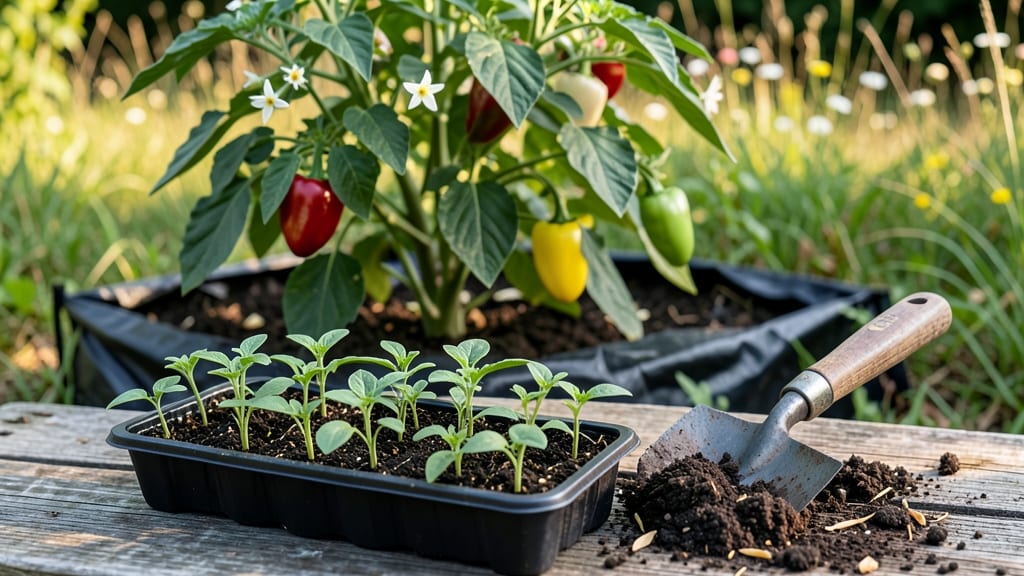
To plant peppers in Florida at the perfect time means catching the ideal 60- to 75-day window between transplanting and harvest—before the summer heat or winter chill ruins your crop.
Florida’s long growing season means peppers can thrive year-round—but timing is everything. Plant too early or too late, and your harvest could be stunted, diseased, or nonexistent. Here’s the exact science behind when to sow, transplant, and harvest peppers in Florida’s unique climate zones.
In North Florida (Zones 9a-9b), where cooler winters linger, aim for late February to early March for transplants, while South Florida gardeners can start seeds as early as January or even late summer for a fall harvest.
The key? Soil temperatures above 70°F and avoiding the brutal midday sun of peak summer.
Below, I break down the best months by variety, how to adjust for microclimates, and the one mistake that wipes out 90% of Florida pepper crops—so you can finally grow the spicy, sweet, or smoky peppers you’ve been dreaming of.
Florida pepper planting calendar by variety: best months for transplanting
Florida’s frost-free climate lets you grow peppers nearly year-round, but timing still matters. Unlike northern states, you can avoid bolting (premature flowering) and poor fruit set by matching varieties to optimal transplant windows.
Heat-tolerant types like jalapeños thrive in summer, while bell peppers need cooler early spring. Let’s break down the best months for each variety in Florida’s USDA Zones 9a-11.
Most gardeners focus on two main transplanting windows: early spring (February–March) and late summer (August–September). However, South Florida (Zones 10b-11) can plant year-round, while North Florida (Zone 9a) may need row covers for early starts. Soil temperature is your best guide—peppers need 70°F+ soil to thrive.
Use a soil thermometer to confirm readiness before transplanting.
Here’s your Florida pepper planting calendar by variety, including early, mid, and late-season strategies to maximize yields:
For North Florida gardeners (Zone 9a), focus on early spring transplants (February–March) to beat summer heat. Use black plastic mulch to warm soil faster and row covers for extra protection.
In South Florida (Zones 10b-11), you can transplant jalapeños or habaneros year-round, but avoid peak summer (June–August) for heat-sensitive varieties like bell peppers.
Pro tip: Succession planting works well in Florida. After harvesting your first crop in May or October, replant heat-tolerant varieties like cayennes or jalapeños for a fall harvest. This extends your growing season by 3–4 months without gaps. Just ensure soil temperatures stay above 65°F for new transplants.
Watch for bolting—when peppers flower too early—if you transplant in late summer (August–September) without proper shade cloth. Heat stress triggers this, but consistent watering and evening shade can prevent it. For container gardening, use 5-gallon pots and plant in May or September to avoid heat spikes.
Remember: Peppers need full sun (6–8+ hours daily), so choose a south-facing spot with well-draining soil. Amend clay soil with compost or coconut coir to improve drainage.
After transplanting, mulch with straw to retain moisture and reduce weeds. This is especially critical in Florida’s humid summers, where fungal diseases like bacterial spot thrive.
Start with transplants from nurseries (not seeds) for faster results, as Florida’s short growing season windows demand efficiency. If you’re growing from seed, start indoors 8–10 weeks before your target transplant date.
For example, sow seeds in January for a February transplant or June seeds for a July transplant.
Your harvest timeline depends on the variety, but most peppers take 60–90 days to mature. Bell peppers often take longer (90 days), while jalapeños or shishitos may be ready in 60–75 days.
Plan accordingly to avoid overcrowded plants or missed harvests. In South Florida, you can even harvest peppers in December if planted in August–September
How to adjust pepper planting times for Florida’s microclimates
Florida’s diverse climate means pepper planting times vary wildly from North Florida’s cooler winters to South Florida’s year-round heat. In Zone 9a (like Jacksonville), a late frost can still sneak in, while Zone 10a+ (Miami) lets you plant peppers almost anytime.
The key? Adjusting for soil temperature, humidity spikes, and heat tolerance of your pepper varieties.
Most Florida gardeners focus on two main planting windows: early spring (February-March) and late summer (August-September). But these timelines shift depending on your region.
For example, jalapeños and cayennes bolt (flower prematurely) in South Florida’s summer heat, while bell peppers thrive in Central Florida’s humid summers if planted at the right time. Let’s break down the adjustments for each microclimate.
- North Florida (Zones 8b-9a): Plant transplants in March-April after soil reaches 70°F+. Use row covers for early starts to shield from unpredictable frosts (rare but possible). Avoid direct seeding before April—cool soil stalls germination.
- Central Florida (Zones 9b-10a): Sow seeds in March or August for two harvests. Transplant in April-May or September-October. Watch for humidity-related diseases like bacterial spot—space plants 18-24 inches apart for airflow.
- South Florida (Zones 10b-11): Plant seeds or transplants year-round, but prioritize June-July for heat-tolerant varieties (e.g., ‘Carolina Reaper’) and September-November for milder harvests. Use shade cloth (30-50%) in peak summer to prevent sunscald.
- Soil Temp Trigger: Wait until soil hits 70°F+ (use a soil thermometer)—peppers won’t thrive below this. In North Florida, this often means waiting until mid-April even if air temps feel warm.
- Extending Seasons: Use floating row covers in spring/fall to warm soil faster or black plastic mulch to raise temps by 5-10°F. In summer, drip irrigation keeps roots cool during heatwaves.
For North Florida gardeners, the biggest challenge is soil warming. I’ve seen pepper seeds rot in cold soil even when air temps are mild. To speed things up, lay down clear plastic mulch 2-3 weeks before planting—it can raise soil temps by 10°F+.
Pair this with transplants (not seeds) in early March, and you’ll beat the humidity peak of late spring.
In Central Florida, the real enemy is excessive humidity. I once lost an entire jalapeño patch to bacterial spot because I crowded plants too closely. Now, I space them 24 inches apart and water at soil level (not overhead) to reduce fungal spores.
For late-summer plantings, choose heat-tolerant varieties like ‘NuMex Heritage’ and use shade cloth during the hottest afternoons.
South Florida’s year-round growing season is a gardener’s dream—but it demands strategic shade. I grow ‘Carolina Cayenne’ under 50% shade cloth from June to August to prevent blossom drop (when peppers abort due to heat stress).
Even bell peppers, which need full sun, benefit from afternoon shade during Florida’s 90°F+ stretches.
Pro tip: Succession planting works year-round in Florida. In North Florida, stagger transplants every 2 weeks from March to June for continuous harvests. In South Florida, plant seeds every 6 weeks to avoid bolting during dry spells.
And always harvest regularly—peppers left on the plant too long become woody and bitter, especially in heat.