
Picking
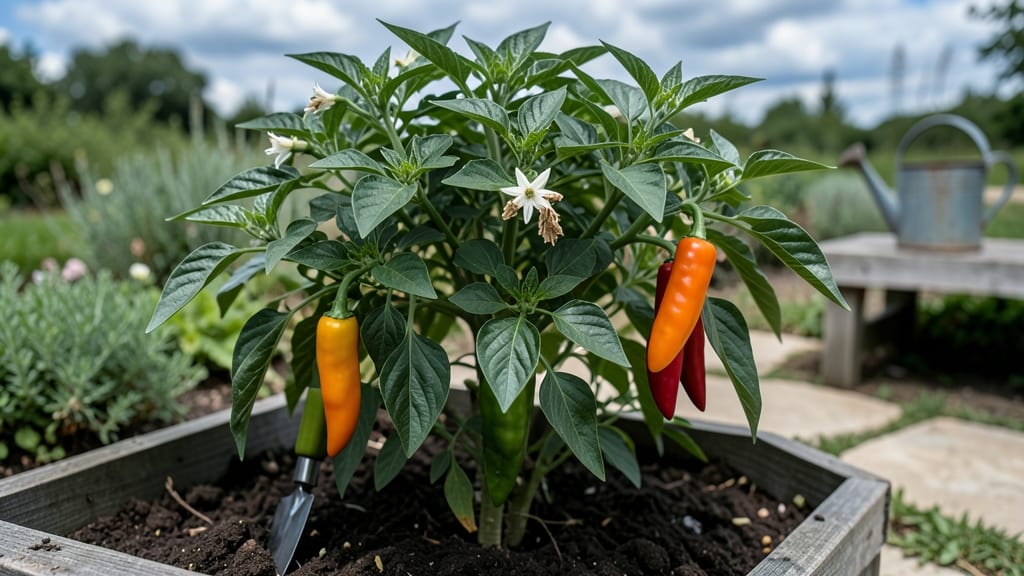
Growing Carolina Cayenne peppers from seed means fiery harvests that put store-bought jalapeños to shame. 🌶️ These heat monsters thrive in warm climates but can also be grown as annuals in cooler zones if you start them indoors early.
The first time I grew them, my hands tingled for days after harvesting—worth every minute of patience. They’re annuals in most gardens, so treat them like a fast-growing crop: plant seeds after your last frost when soil hits 70°F, and expect 90-day maturity.
The secret to success? Well-draining soil with plenty of organic matter (think compost or aged manure) and full sun for at least 6-8 hours daily. Too much shade, and the peppers lose their signature heat and flavor.
By midsummer, you’ll see clusters of bright red, glossy peppers that pack 50,000-100,000 Scoville units—enough to make even the boldest eaters pause. Prune regularly to encourage bushier growth, and watch out for aphids, which love to sap these spicy stars. Aphids?
Just blast them off with water or introduce ladybugs—they’re the natural pest control heroes. Harvest when peppers turn red and firm, then dry or freeze them for year-round heat. Store-bought peppers can’t compete with the deep, smoky flavor of homegrown Carolina Cayennes. Ready to grow your own fire?
Let’s get those seeds started!
📚 In This Guide
- What you need
- Instructions
- Tips and common mistakes
- Wrapping up and next steps
What you need
- ● Carolina Cayenne seeds: 5–10 seeds (or 1–2 starter plants if buying seedlings). Look for Capsicum annuum varieties labeled "Carolina Cayenne."
- ● Seed-starting mix: 1–2 cubic feet of sterile, well-draining potting soil (e.g., Miracle-Gro Seed Starting Potting Mix).
- ● Containers: 4–6 biodegradable seedling pots (3–4 inches deep) or
- ● 1–2 seed trays with drainage holes (for bulk starts).
- ● Grow lights or sunny windowsill: A full-spectrum LED grow light (e.g., Samsung LM300) or a south-facing window with 6+ hours of sunlight daily.
- ● Watering can or spray bottle: With a fine mist nozzle for gentle hydration.
- ● Fertilizer: Balanced liquid fertilizer (e.g., Jack’s Classic All-Purpose, 10-10-10 ratio).
- ○ Optional: Slow-release granules (e.g., Osmocote Smart-Release) for transplanting.
- ● Gloves: Nitrile or gardening gloves (Carolina Cayenne peppers pack a serious heat—protect your hands!).
- ● Trowel or transplanting tool: For moving seedlings to larger pots or garden beds.
- ● Pruning shears: Sharp, sterilized shears (e.g., Fiskars) for trimming.
- ● pH test kit: To check soil pH (ideal range: 6.0–6.8 for peppers).
- ○ Heat mat (optional): For seedlings (e.g., Vivosun germinating mat) if starting indoors in cool climates.
- ○ Support system (optional): Cages or stakes (e.g., Tomato cages) for taller plants.
- ● Trellis (if growing vertically).
- ● Hardiness zone: 8–11 (Carolina Cayenne thrives in hot, humid climates).
- ● Growing season: 90–120 frost-free days (start seeds indoors 8–10 weeks before last frost).
- ● Sunlight: Full sun (6–8+ hours/day)—no compromises!
- ● Soil: Well-draining, fertile soil with 1.5–2.5% organic matter.
Step-by-step guide to growing Carolina Cayenne peppers
Here's how I grow these fiery beauties from seed to harvest, with tricks to boost heat and yield.
🌱 Step 1: Start Seeds Indoors with Warmth and Patience
Carolina Cayenne seeds need 75-85°F soil to germinate, so I use a seedling heat mat set to 80°F. Plant seeds ¼ inch deep in sterile seed-starting mix (never garden soil—it's too dense and may harbor diseases). I like to use biodegradable peat pots because they eliminate transplant shock later.
Keep the soil consistently moist but never soggy—think of it as a wrung-out sponge. Cover the tray with plastic wrap or a humidity dome to trap warmth, then place it in bright, indirect light (a south-facing window works). Germination takes 10-14 days, but don't be surprised if it takes longer in cooler homes. The first true leaves will look different from the initial seed leaves—those are your signal to remove the dome.
☀️ Step 2: Provide Full Sun and Fertility for Strong Plants
Once seedlings emerge, move them under 14-16 hours of full-spectrum grow light (a T5 LED bulb works perfectly). Keep the light 2-3 inches above the plants and raise it gradually as they grow. Without enough light, seedlings stretch leggy and weak—you'll see them leaning toward the window with pale stems.
Feed seedlings with half-strength liquid fertilizer (like 5-5-5) every 2 weeks starting when they develop their third set of true leaves. I use a fish emulsion for organic growth. Harden off seedlings 10-14 days before transplanting by gradually exposing them to outdoor conditions. On the last day, leave them out all day so they're fully acclimated.
🪴 Step 3: Transplant to Warm, Well-Draining Soil
Carolina Cayennes thrive in full sun (6+ hours daily) and well-draining soil with a pH of 6.0-6.8. Amend your garden bed with compost and a handful of granular fertilizer (like 10-10-10) before planting. Space plants 18-24 inches apart in rows 24 inches apart—this gives them room to bush out and prevent disease spread.
Dig holes twice as wide as the root ball but no deeper. Gently remove the seedling from its pot, tease the roots if they're circling, and place it in the hole so the top of the root ball sits level with the soil. Backfill with native soil, tamp lightly, and water deeply. Mulch around the base with 2 inches of straw to retain moisture and suppress weeds.
💧 Step 4: Water Deeply and Prune for Heat and Yield
Water at the base of the plant (never overhead) to prevent fungal diseases like powdery mildew. Let the top 1-2 inches of soil dry out between waterings—consistent moisture is key, but soggy soil causes root rot. I use a drip irrigation system for precision, especially during hot summer afternoons when evaporation is high.
Pinch off the first few flowers that appear to encourage bushier growth. Once the plant establishes, fertilize again with balanced fertilizer every 4-6 weeks. Prune suckers (the small shoots that grow in the leaf axils) to direct energy into fruit production. You'll know you're on the right track when the plant is covered in blooms by mid-summer.
✂️ Step 5: Harvest and Dry for Maximum Heat
Harvest peppers when they reach 3-4 inches long for maximum heat (they get milder as they ripen). Use sterilized pruning shears to cut stems, leaving ¼ inch of stem attached. Wear gloves—Carolina Cayennes pack 50,000-100,000 Scoville units of heat! Store fresh peppers in the fridge for 1-2 weeks or process them immediately.
To dry, tie stems into small bundles and hang upside down in a dark, well-ventilated area (like a pantry) for 2-3 weeks. The peppers are ready when they're crisp and shriveled. Remove stems, grind into flakes, or crush into powder for homemade hot sauce or seasoning blends. Save seeds from the hottest peppers for next year's crop—they'll only get fiercer!
Tips & tricks for growing Carolina Cayenne peppers
These insider tricks will help you cultivate Carolina Cayennes with maximum heat and productivity.
Seedling Heat Management: The 75-85°F soil temperature range is non-negotiable for germination, but here's the secret: maintain that 80°F heat mat setting consistently. I've found that even slight dips below 75°F can delay germination by 3-5 days. Place your seed tray on a towel to prevent heat loss from cold surfaces, and avoid placing it near drafty windows or vents. For extra insurance, use a small fan on low setting to circulate warm air around the tray without disturbing the humidity dome.
Lighting Strategy for Vigorous Growth: Those 14-16 hours of full-spectrum light are crucial, but positioning matters just as much. I position my T5 LED bulb 2-3 inches above the seedlings and adjust it weekly as they grow. Watch for "light burn" - tiny brown spots on leaves - which means the light is too close. If your seedlings start stretching toward the light (a condition called "legginess"), it's time to move them closer or increase light intensity. Rotate the tray daily to ensure even growth all around.
Transplanting Technique: When it's time to transplant, here's what I've learned: the holes should be twice as wide as the root ball but no deeper - this prevents root stress. Gently tease any circling roots with your fingers (don't cut them) to encourage outward growth. The most critical part? Position the plant so the top of the root ball sits level with the soil surface. Burying too deep can cause rot, while planting too high creates instability. After transplanting, give the plants a thorough watering to settle the soil around the roots.
Harvesting for Maximum Heat: For the hottest peppers, harvest when they reach 3-4 inches long - this is when their capsaicin levels peak. I've noticed that harvesting in the morning gives peppers their crispest texture. When cutting stems, leave that ¼ inch attached - it helps preserve the pepper's integrity during drying. And here's a pro move: save the seeds from the hottest peppers you harvest. These will produce even fiercer plants next season, as the heat level tends to increase with each generation.
Pro Tips for Carolina Cayenne Pepper
- These insider tricks will help you cultivate Carolina Cayennes with maximum heat and productivity.
- Seedling Heat Management: The 75-85°F soil temperature range is non-negotiable for germination, but here's the secret: maintain that 80°F heat mat setting consistently.
- Lighting Strategy for Vigorous Growth: Those 14-16 hours of full-spectrum light are crucial, but positioning matters just as much.
Frequently asked questions
Got questions about growing Carolina Cayenne peppers? You’re not alone!
Here are some of the most common queries from gardeners—plus quick, actionable answers to keep your heat-loving plants thriving.
How long does it take for Carolina Cayenne peppers to mature?
From seed to harvest, expect 80–100 days in ideal conditions. Start seeds indoors 8–10 weeks before your last frost, then transplant seedlings outdoors after soil temps hit at least 70°F (21°C). Patience pays off—these peppers pack serious heat!
Why aren’t my Carolina Cayenne peppers turning red?
If your peppers stay green or turn yellow/orange, check these fixes:
- Light: Ensure 6–8 hours of direct sunlight daily—they crave heat (literally and figuratively!).
- Nutrients: Feed with low-nitrogen, high-phosphorus fertilizer (like 5-10-10) when flowers appear.
- Water: Keep soil consistently moist but not soggy—stress delays ripening.
Can I substitute Carolina Cayenne for other hot peppers?
Use it as a 1:1 swap for other cayennes (like Jalapeño or Fresno) in recipes, but expect 2–3x the heat. For milder dishes, reduce by half. Warning: This pepper’s Scoville rating (35,000–50,000 SHU) rivals habaneros—start small!
Do Carolina Cayenne peppers need special care after fruiting?
Once peppers ripen, harvest regularly to encourage more production. Prune leggy stems to boost airflow, and stop fertilizing 4–6 weeks before first frost. Save seeds from your best peppers for next year—they’re open-pollinated!
What pests should I watch for with Carolina Cayenne peppers?
Keep an eye out for:
- Aphids/spider mites: Spray with neem oil or introduce ladybugs.
- Flea beetles: Cover seedlings with floating row fabric until established.
- Blossom end rot: Add calcium-rich fertilizer or crushed eggshells to soil.
Wrapping up and next steps
Growing Carolina Cayenne peppers is a rewarding journey that brings fiery flavor and vibrant greenery to your garden—whether you're a seasoned gardener or a curious beginner! With the right soil, sunlight, and patience, you’ll soon be harvesting peppers packed with heat and nutrition.
Don’t let a few early challenges discourage you; every gardener faces them, and the payoff is worth it.
Ready to take the next step? Start small—try a few seeds in pots this season, then expand your garden as you gain confidence. Share your progress with fellow pepper enthusiasts, and soon, you’ll be saucing, pickling, or drying your homegrown harvest with pride! 🌱🔥