Plants
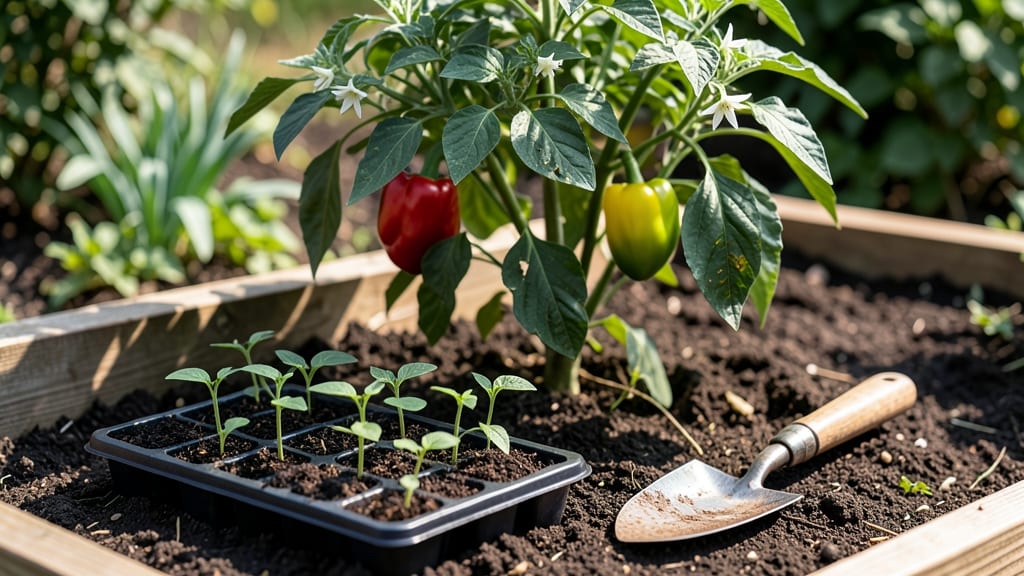
Planting bell peppers 🌶️ in Arizona requires precise timing to avoid the pitfalls of extreme heat or late frosts—aim for early spring or late summer for the best results.
Arizona’s scorching summers and unpredictable monsoons can make growing bell peppers a challenge—but timing your planting correctly ensures a bountiful harvest instead of wilted disappointment.
In USDA Zone 9b, the ideal window is February to March for spring crops or August to September for fall planting, when soil temperatures are just right and frost risks fade.
Below, I’ll break down the exact dates for your region, soil prep secrets to beat the desert heat, and whether to start seeds indoors or sow directly for maximum success.
Arizona’s best bell pepper planting windows by heat Zone
Arizona’s diverse USDA heat zones (5 through 9) create unique challenges for growing bell peppers. Zone 5 areas like Flagstaff face cooler nights, while Zone 9 regions like Phoenix endure relentless summer heat. The key is planting when soil reaches 60°F+ and avoiding extreme heat waves that stress young plants.
With the right timing, you can enjoy two harvests per year—spring and fall—while avoiding the brutal July-August sun.
For spring planting, aim for late winter to early spring when frost risk disappears. Fall planting should happen in late summer to allow peppers to mature before winter chill sets in. Each zone has its own ideal window, and understanding these differences will maximize your yield.
Let’s break down the best planting times for each heat zone, including soil prep tips to ensure success in Arizona’s desert climate.
🌱 Pro Tip: Use black plastic mulch to warm soil faster and retain moisture, which is critical in Arizona’s dry conditions. This simple trick can add 1-2 weeks of growing time in cooler zones.
| USDA Zone | Last Frost Date | Ideal Planting Window | Soil Temp Requirement | Harvest Window | Key Consideration |
|---|---|---|---|---|---|
| Zone 5 (Flagstaff, Prescott) | Mid-March | Late April - Early May | 60°F+ (use row covers) | July - August | Short growing season; prioritize early-maturing varieties. |
| Zone 6 (Show Low, Payson) | Late March | Early May - Mid-May | 60°F+ (warm soil with mulch) | July - September | Cooler nights; extend season with shade cloth. |
| Zone 7 (Sedona, Jerome) | Early March | Late March - Early April | 60°F+ (soil warms faster at lower elevations) | June - October | Longer season; can attempt fall planting in August. |
| Zone 8 (Tucson, Yuma) | Late January | February - March OR August - September | 65°F+ (direct sow after last frost) | May - June OR October - November | Two harvests possible; avoid summer planting. |
| Zone 9 (Phoenix, Mesa) | None (frost-free) | January - February OR August - September | 70°F+ (use shade cloth in summer) | April - May OR October - November | Avoid planting between June-August due to extreme heat. |
In Zone 5 and 6, where frost lingers longer, focus on early-maturing varieties like ‘Early California Wonder’ or ‘Sweet Banana.’ These zones benefit from row covers to extend the season, but peppers still need 6+ hours of sun daily.
For Zone 7, you can experiment with fall planting in August, but monitor monsoon rains to prevent soil erosion.
Moving to Zone 8 and 9, the real magic happens with two planting windows. In Tucson and Yuma (Zone 8), plant in February-March for a spring harvest or August-September for fall.
Phoenix (Zone 9) offers the most flexibility, but avoid planting between June and August—temperatures above 100°F will scorch young plants. Instead, use shade cloth (30-50%) if you must
How to adjust planting for Arizona’s microclimates and monsoon risks
Arizona’s diverse microclimates create unique challenges for growing bell peppers. In Phoenix’s urban heat islands, temperatures can exceed 110°F, while Flagstaff’s high desert sees cooler nights.
Meanwhile, Tucson’s monsoon season brings sudden downpours that can drown shallow roots. Adjusting your planting strategy based on your location is key to success.
For high-desert areas like Flagstaff (USDA Zone 6-7), plant bell pepper seeds indoors 8-10 weeks before your last frost date (typically mid-March). Transplant seedlings outdoors after soil reaches 60°F—usually by late April to early May.
These cooler climates benefit from black plastic mulch to warm the soil faster and retain moisture during dry spells.
In Phoenix and Tucson (Zones 9-10), where summer heat arrives early, focus on fall planting. Start seeds indoors in July for transplanting in August, giving peppers time to mature before winter sets in.
Use shade cloth (30-50%) during peak afternoon heat to prevent sunscald on leaves and fruit.
⚠️ CALLOUT WARNING⚠️ Monsoon Risks: When to Avoid Planting
Arizona’s monsoon season (July-September) brings heavy, unpredictable rains that can:
- Drown shallow roots if soil doesn’t drain quickly
- Spread fungal diseases like Phytophthora in waterlogged soil
- Wash away mulch, exposing roots to extreme heat
Monsoon-prone regions like Tucson require elevated planting beds or container gardens to prevent waterlogging. Add 1-2 inches of coarse sand to garden soil to improve drainage, and mulch heavily with straw or wood chips to protect soil structure. Avoid planting during peak monsoon weeks (mid-July to early August)—instead, wait until late August when rains taper off.
Urban heat islands like Phoenix demand strategic shade solutions. Install trellises with shade cloth over pepper plants to block 30-50% of sunlight during June and July. Choose heat-tolerant varieties like ‘NuMex Sandia’ or ‘Jupiter’, which handle 100°F+ temperatures better than standard types.
Water deeply in the morning to reduce evaporation and avoid wetting foliage to prevent sunburn.
Regardless of your Arizona location, mulching is non-negotiable. Use 3-4 inches of organic mulch (straw, wood chips, or compost) to:
- Regulate soil temperature
- Suppress weeds
- Retain moisture for 10-14 extra days between waterings