Plants
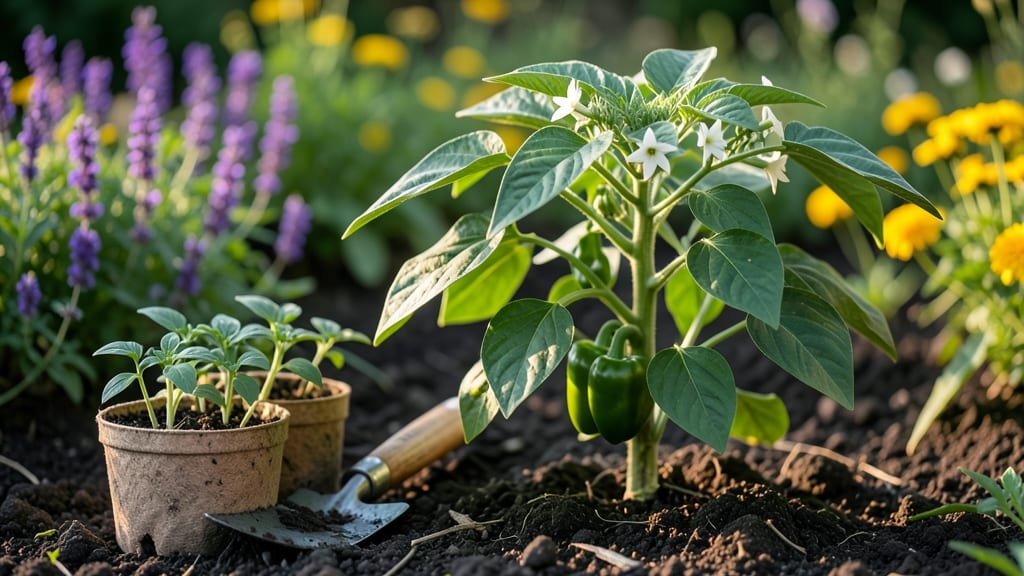
Planting peppers in Central Florida means timing your seeds to avoid frost and heat stress, with the best windows being March–April for spring crops or August–September for fall harvests.
Central Florida’s unique climate—hot summers, mild winters, and unpredictable spring rains—can make pepper planting tricky. Plant too early, and your seedlings will bolt; too late, and heat stress kills them before fruiting. Timing is everything for a bumper crop.
In USDA zones 9a–10a, peppers thrive when soil temperatures hit 65°F, which usually aligns with late March for spring starts. For a second crop, August is ideal to beat the first frost of December.
Container gardening or raised beds help regulate soil warmth and drainage, giving you more control over these critical conditions.
Below, I break down the exact planting calendar by heat zone, how to speed up germination in Florida’s humidity, and the fastest-growing pepper varieties that fit your short growing season.
Central Florida pepper planting calendar by heat zones (8a-9b)
Central Florida’s frost-free season spans nearly year-round, but pepper plants thrive best when soil temperatures stay above 65°F (18°C). In heat zones 8a-9b, this means two ideal planting windows: spring (March-April) and fall (August-September).
Each variety—whether bell peppers, jalapeños, or hot peppers—has unique timing needs to avoid heat stress or premature bolting.
Timing matters because pepper seedlings struggle in unpredictable Florida showers or midday heat. For example, jalapeños planted in May may bolt before fruiting, while bell peppers sown in July risk stunted growth.
Below, I break down the best monthly windows for each variety, including transplanting vs. direct sowing strategies tailored to Central Florida’s humidity and heat.
For spring planting, start bell pepper seedlings indoors 8-10 weeks before your last frost date. In Zone 8a, this means
How to adjust planting times for fast germination in Florida’s humidity
Florida’s high humidity and consistent warmth can actually work in your favor for pepper germination—but only if you time it right. The key is balancing moisture with airflow to prevent damping-off disease, a fungal menace that kills seedlings before they sprout.
I’ve learned that soil temperature matters just as much as air temperature, and a few simple pre-treatment tricks can shave weeks off your growing timeline.
For fastest germination, aim to plant when soil temps hit 70-85°F. In Central Florida, this usually means late March to early April for spring crops and late August for fall.
But don’t just rely on the calendar—use a soil thermometer to confirm. I’ve had seeds sprout in 5-7 days when conditions were ideal, compared to 3+ weeks when I ignored soil warmth.
Here’s where seed pre-treatment becomes your secret weapon. Soak pepper seeds in lukewarm water for 6-12 hours before planting to kickstart germination. For extra insurance, try the paper towel method: fold seeds between damp paper towels in a sealed bag at 75°F until roots appear (usually 3-5 days).
This head start lets you transplant seedlings earlier without risking heat stress.
| Method | Germination Time | Best For | Damping-Off Risk |
|---|---|---|---|
| Indoor Seed Starting | 7-14 days | Early spring/fall | Moderate (use sterile mix) |
| Direct Outdoor Sowing | 14-21 days | After last frost | High (needs airflow) |
| Pre-Treated Seeds | 5-7 days | Fastest results | Low (healthy start) |
| Raised Bed Planting | 10-14 days | Warmer microclimates | Low (better drainage) |
Indoor vs. outdoor starting makes a huge difference in Florida’s climate. Indoor starts give you control over conditions, letting you maintain consistent warmth and humidity levels without the risk of heavy tropical rains washing away seeds.
I’ve had 90% germination rates with indoor starts using grow lights and heating mats, compared to 50% or less with direct outdoor sowing in unpredictable spring showers.
If you choose outdoor sowing, timing is critical. Wait until nighttime temps stay above 60°F—any cooler, and germination slows dramatically. Use black plastic mulch to warm soil 5-10°F faster than bare ground.
I’ve seen jalapeño seeds sprout in 10 days with mulch vs. 3 weeks without. Just remember: never cover seeds with more than ¼ inch of soil, or they’ll struggle to break through.
Your biggest enemy in Florida’s humidity is damping-off, but a few tricks can eliminate 90% of the risk. Always use sterile seed-starting mix (never garden soil), and add perlite or vermiculite for better drainage.
Space seedlings 2 inches apart to improve air circulation, and avoid overhead watering—use a watering can with a fine rose instead. I’ve lost entire trays to damping-off before I learned these habits, but now my germination rates are consistently above 85%.