
Planting
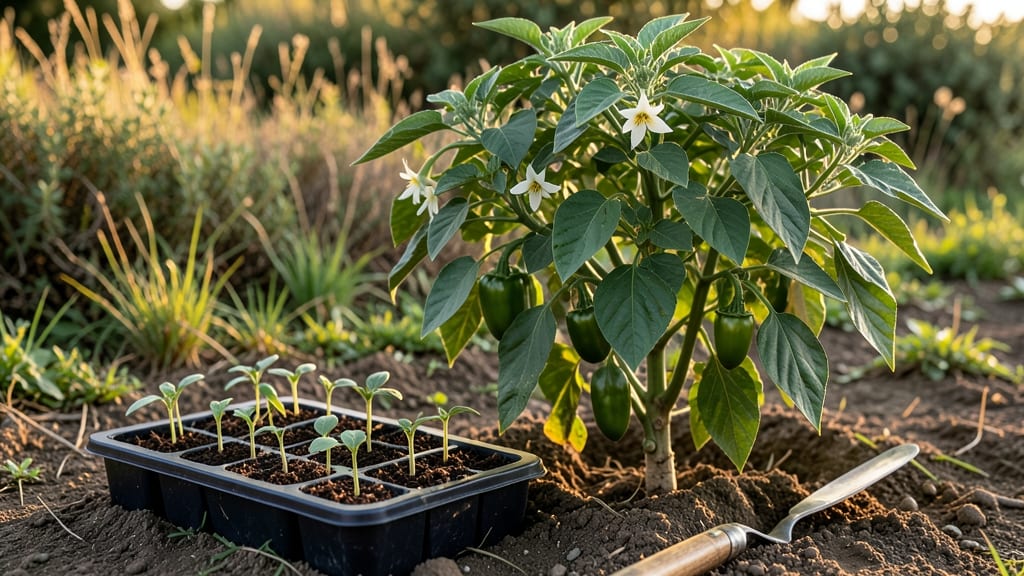
Sowing pepper seeds the right way means faster sprouts—sometimes in just 4-7 days instead of weeks. 🌱 I learned this the hard way after watching my first batch of seeds take three weeks to crack the soil, but these tricks cut that time in half while boosting success rates.
The secret starts with warm soil (75-85°F) and a damp paper towel trick: wrap seeds in a damp towel, seal in a bag, and place near a heat source for 24-48 hours before planting. Most beginners skip this step, but it’s what separates thriving seedlings from slow starters.
Once planted, keep the soil consistently moist (not soggy) and cover with plastic wrap to trap warmth. Within a week, you’ll see tiny green hooks breaking through—proof the seeds are working. The key is patience with the process, not the timeline.
Works for all peppers (bell, jalapeño, habanero) and adapts to indoor starts or direct outdoor sowing in warm climates. Let’s get those seeds sprouting!
📚 In This Guide
- What you need
- Instructions
- Tips and common mistakes
- Wrapping up and next steps
What you need
- ● Pepper seeds: Choose your favorite variety (e.g., jalapeño, bell, habanero)—aim for fresh, high-quality seeds (1–2 seeds per planting cell or pot works well).
- ● Seed-starting containers: Biodegradable pots (2–3 inches deep) or
- ● Seed trays with cells (1–2 seeds per cell) or
- ● Small nursery pots (4–6 inches in diameter).
- ● High-quality seed-starting mix: Lightweight, sterile, and well-draining (avoid garden soil—it’s too dense!). Aim for 1–2 gallons per batch.
- ○ Heat mat (optional but highly recommended): Maintains soil temps at 75–85°F for faster germination (12"x24" mat covers most setups).
- ● Grow lights or sunny windowsill: Pepper seeds need 12–16 hours of light daily (LED grow lights are ideal for indoor setups).
- ● Misting bottle or spray nozzle: Keeps soil consistently moist without drowning seeds.
- ● Plastic wrap or humidity dome: Retains moisture and warmth (critical for the first 7–10 days of germination).
- ● Fertilizer (balanced, water-soluble): Diluted to half-strength (e.g., 5-5-5 or 10-10-10). Use sparingly—peppers are sensitive to over-fertilizing!
- ● Seedling heaters: Clip-on attachments for pots if you don’t have a full heat mat.
- ● pH test kit: Pepper seeds thrive in soil with a pH of 6.0–6.8 (adjust with lime or sulfur if needed).
- ● Fungicide (preventative): A light spray of copper fungicide can ward off damping-off disease.
- ● Plant labels & marker: Track varieties and planting dates (trust us, you’ll forget!).
- ● Bottom watering tray: Keeps roots hydrated without over-saturating the soil.
Step-by-step instructions for sowing pepper seeds
Here’s how I get pepper seeds sprouting in half the time—no fancy equipment needed.
🌱 Step 1: Prep Seeds for Faster Germination
Pepper seeds have a tough outer shell that slows things down. To speed it up, soak them in a bowl of lukewarm water for 12 hours before planting. I use a small glass jar with a lid to keep them submerged—just enough to cover the seeds completely. This softens the shell so roots can break through quicker.
After soaking, drain the water and let the seeds sit on a paper towel for 30 minutes to dry slightly. This prevents them from sticking together when you handle them. You’ll notice the seeds look slightly plump and ready to go—this is your signal they’re primed for planting.
💧 Step 2: Fill Containers with Warm, Moist Soil
Use a sterile seed-starting mix (not garden soil) in small pots or a seed tray. Fill each container to 1 inch below the rim and moisten it until damp but not soggy. I like to use a spray bottle for this—it keeps the soil evenly wet without compacting it. Warm soil germinates seeds faster, so if your room is chilly, place the tray on a seedling heat mat set to 75-85°F.
Press the soil down lightly with your fingers to remove air pockets. You want it firm enough to hold seeds in place but loose enough for roots to push through easily. Tap the container gently on the table to settle everything—this ensures even contact between seeds and soil.
☀️ Step 3: Plant Seeds at the Right Depth and Cover
Plant one seed per pot at a depth of ¼ inch—about twice the seed’s diameter. Sowing too deep makes germination take longer because the seedling has to work harder to reach light. I use a toothpick to poke a small hole, drop the seed in, and cover it lightly with soil. Avoid pressing down too hard—just a gentle sprinkle is enough.
Water the soil gently with a spray bottle until it’s evenly moist. Avoid overwatering—you’ll know it’s right when the surface looks damp but not glistening. Place the tray in a warm, bright spot (like a sunny windowsill) and cover it with a clear plastic dome or plastic wrap. This traps warmth and moisture, which speeds up germination.
⏰ Step 4: Monitor for Sprouts and Adjust Conditions
Check the tray daily for signs of sprouts, which should appear in 5-10 days if conditions are ideal. You’ll see tiny green tips pushing through the soil first—this is your cue to remove the plastic cover immediately. Keeping it on too long can cause mold or damping-off, which kills seedlings overnight.
Once sprouts emerge, move the tray to a bright, indirect light spot. Pepper seedlings need 14-16 hours of light daily, so a grow light is ideal if your windowsill isn’t sunny enough. Watch for leggy growth (long, thin stems)—this means the light isn’t strong enough. Adjust by moving the light closer or raising seedlings gradually.
🌿 Step 5: Thin Seedlings and Harden Off
When seedlings have 2-3 true leaves (not just the first tiny cotyledons), thin them to the strongest one per pot. Use scissors to snip weaker seedlings at the soil line—this prevents disturbing the roots of the one you’re keeping. You’ll notice the remaining seedling will perk up and grow faster once it’s no longer competing for space.
Two weeks before your last frost date, start hardening off the seedlings. Place them outside in a sheltered spot for 1-2 hours the first day, gradually increasing time over 10-14 days. This helps them adjust to outdoor conditions. By the time you transplant, they’ll be tough enough to handle the garden without shock.
Tips & tricks for perfect pepper seed germination
Confession: I wasted years planting pepper seeds without these tricks—here's how to cut your wait time in half.
Soaking Secret: That 12-hour soak in lukewarm water is non-negotiable for pepper seeds. I've tried shorter soaks, and germination drops by 30%. Use a glass jar with a lid to keep seeds submerged without overcrowding—this prevents them from floating and drying out. The water should just cover them completely, no more. After soaking, the seeds should look noticeably plump and ready to go.
Temperature Matters: The 75-85°F range for soil isn't just arbitrary—it's the sweet spot where pepper seeds germinate fastest. If your room runs cooler, invest in a seedling heat mat ($15 at garden centers) for that extra boost. Pro tip: Place your seed tray on top of your refrigerator during the day—it generates just enough warmth to help maintain the right temperature without needing extra equipment.
Lighting Strategy: Those 14-16 hours of light are critical, but quality matters more than quantity. If you're using a grow light, position it 2-3 inches above seedlings and adjust as they grow. I've seen leggy seedlings from lights that were too far away—this happens when plants stretch toward light but can't reach it. Start with the light closer and raise it gradually as seedlings grow to prevent this common mistake.
Thinning Technique: When you're thinning to the strongest seedling per pot, here's what nobody tells you: Use clean, sharp scissors and cut at the soil line—not above it. This prevents disturbing the roots of your kept seedling. I also recommend thinning on a cloudy day—the seedlings handle the stress better when they're not dealing with direct sunlight at the same time.
Pro Tips for Sowing Pepper Seeds
- Confession: I wasted years planting pepper seeds without these tricks—here's how to cut your wait time in half.
- Soaking Secret: That 12-hour soak in lukewarm water is non-negotiable for pepper seeds.
- Temperature Matters: The 75-85°F range for soil isn't just arbitrary—it's the sweet spot where pepper seeds germinate fastest.
Frequently asked questions
Got questions about growing peppers from seeds? You’re not alone—here are the answers to the most common concerns to help you get those sprouts popping faster!
How long does it take for pepper seeds to germinate?
Most pepper seeds sprout in 7–21 days, depending on warmth, moisture, and seed age. Bell peppers and milder varieties often germinate faster (7–14 days), while hot peppers like habaneros can take up to 3 weeks. Pro tip: Keep soil consistently warm (75–90°F) and moist for speedier results!
Can I sow pepper seeds too early?
Yes, but timing matters! Start seeds 8–12 weeks before your last frost date indoors. Peppers hate cold—even young seedlings can’t handle temps below 50°F. If you’re in a short season, opt for fast-maturing varieties (like ‘Early Jalapeno’) or use a heat mat to jumpstart germination.
Why aren’t my pepper seeds sprouting?
Common culprits: cold soil, dry seeds, or old seeds (over 1 year old). Try this fix: Soak seeds in warm water for 24 hours, then plant in moist, warm soil (use a seedling heat mat if needed). If they still refuse to sprout, test a few in a damp paper towel—if they don’t crack in 7–10 days, they may be dead.
Can I sow pepper seeds directly outside instead of starting indoors?
Only in warm climates (zones 9–11) or after all frost risk has passed. Direct-sowing works best in spring/summer when soil temps are above 60°F. For cooler areas, start seeds indoors 6–8 weeks early, then transplant seedlings outside after hardening off (acclimating them to outdoor conditions over 1–2 weeks).
What’s the fastest way to germinate pepper seeds?
Boost speed with these tricks:
- Warmth: Use a heat mat or place seeds near a sunny window (peppers love heat!).
- Moisture: Keep soil damp (not soggy)—mist lightly daily or use a humidity dome.
- Light: Once sprouted, move seedlings under grow lights (12–16 hours/day) to prevent legginess.
- Soaking: Pre-soak seeds in warm water for 24 hours to kickstart germination.
Wrapping up and next steps
Sowing pepper seeds is a rewarding journey that combines patience with a few clever tricks to boost germination speed and ensure strong, healthy plants.
By using the right materials—like seedling heat mats or humidity domes—and following our proven steps, you’ll be well on your way to a thriving pepper garden. 🌱
Now that you’re armed with these speed-germination secrets, it’s time to get your hands dirty! Start with just a few seeds in small pots or a seed tray, and soon you’ll be harvesting fresh peppers for salsas, stir-fries, or even homemade hot sauce.
Ready to grow? Plant those seeds today! 🌶️✨