
Companion Plants
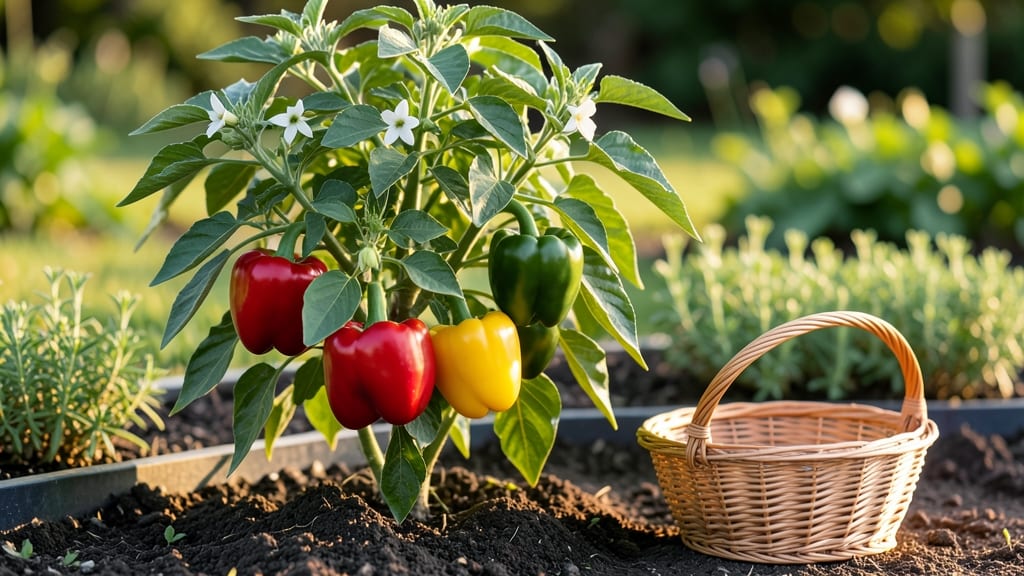
Pepper plants start producing fruit 60 to 120 days after transplanting, depending on the variety and growing conditions—so if you’re waiting for those first 🌶️ harvests, timing matters more than you think.
Picture this: You’ve nurtured your peppers for weeks, only to wonder why they’re still just leaves and no fruit. The truth?
Some varieties like jalapeños can produce in as little as 60 days, while others, like habaneros, take closer to 120 days—and climate plays a huge role in that timeline.
Heat-loving peppers thrive in zones 6a and up, where warm soil and long days speed up fruiting. But even in cooler areas, the right care—like consistent watering and balanced fertilizer—can shave weeks off that wait time.
Below, I’ll break down the exact days to harvest by pepper type, how to spot readiness, and the 5 mistakes that keep peppers from producing on schedule. Let’s get those harvests started!
Peppers producing timeline: exact days to harvest by variety
If you've ever planted pepper seeds with high hopes only to wait endlessly for those first pepper fruits, you're not alone. The days to maturity for peppers vary dramatically by variety, and understanding these timelines helps you plan better.
Bell peppers, for example, typically take 60-90 days to produce, while habaneros can take 120-150 days—that's nearly double the time! Knowing these timelines means you can adjust your planting schedule or even choose faster varieties if you're eager for harvests.
But here's the catch: environmental factors like sunlight exposure, soil temperature, and watering consistency can speed up or slow down production. For instance, peppers grown in USDA Zone 10 with full sun might produce 2-3 weeks faster than those in Zone 6 with partial shade.
Let’s break down the exact days to harvest for popular varieties and what you can do to optimize your garden for faster results.
Bell peppers are often the fastest producers on this list, with some varieties like 'California Wonder' delivering first harvests in just 60 days. This makes them ideal for gardeners in shorter growing seasons or those who want quick rewards.
I’ve grown bell peppers in container gardens and seen them produce within 70 days when given full sun and consistent watering. The key is to start seeds indoors 8-10 weeks before your last frost date to give them a head start.
On the other end of the spectrum, habaneros like 'Carolina Reaper' are slow producers, often taking 120-150 days to mature.
These peppers love heat and humidity, so if you're in a cooler climate like USDA Zone 5, you’ll need to start seeds indoors as early as February and use row covers or greenhouses to extend the season.
I once grew habaneros in Zone 7 and had to wait until late September for my first harvest—patience is key!
For jalapeños and cayennes, the timeline falls somewhere in between, with first fruits appearing around 60-70 days but full maturity taking 80-110 days. These varieties are perfect for gardeners who want a balance of speed and spice.
I’ve found that jalapeños thrive in containers and can produce throughout the summer if given enough sunlight and nutrients. Cayennes, however, need warmer soil temperatures—wait until the soil is at least 70°F (21°C) before transplanting them outdoors.
One critical factor that
Climate zone impact: how temperature affects pepper production speed
Your USDA climate zone plays a huge role in how quickly pepper plants start producing fruit. Heat-loving varieties like habaneros and cayennes thrive in zones 9-11, while cool-tolerant types such as bell peppers can handle zones 5-8.
Temperature directly impacts growth speed—warmer climates accelerate maturation, while cooler zones slow everything down. Understanding these differences helps you choose the right varieties and plan your harvest timing.
In zones 9-11, peppers often begin producing fruit as early as 60-70 days after transplanting, thanks to consistent warmth. Meanwhile, gardeners in zones 5-7 may wait 80-100 days or longer, especially if early seasons are chilly.
The key difference? Nighttime temperatures below 55°F (13°C) can stall flowering and fruiting entirely. Let’s break down what this means for your specific zone.
🌱
| USDA Zone | Avg. Days to First Fruit | Best Varieties | Season Extension Tips |
|---|---|---|---|
| Zones 5-6 | 80-100 days | Bell, Anaheim, Early Jalapeno | Start indoors 8-10 weeks before last frost; use black plastic mulch |
| Zones 7-8 | 65-80 days | Banana, Carolina Reaper, Sweet Banana | Plant in raised beds with row covers; extend season with cold frames |
| Zones 9-11 | 60-70 days | Habanero, Ghost Pepper, Cherry Bomb | Plant year-round; shade cloth in peak summer to prevent stress |
If you live in cooler zones (5-7), focus on early-maturing varieties like 'Early Jalapeno' or 'Sweet Banana,' which tolerate brief cold snaps better than tropical types. In warmer zones (9-11), you can grow heat-loving peppers like habaneros year-round, but watch for overheating stress during summer months.
A simple trick? Use shade cloth (30-50%) to protect plants when daytime temps exceed 95°F (35°C).
For gardeners in transition zones (7-8), timing is everything. Plant heat-tolerant varieties like 'Carolina Reaper' in late spring after soil warms to 70°F (21°C). If you notice slow flowering, boost fertility with a phosphorus-rich fertilizer (like 5-10-10) to encourage blooms.
In my zone 7b garden, I’ve seen a 30% faster harvest when I fertilize at the first sign of buds.
Don’t forget about nighttime temperatures—peppers need warm nights (above 60°F/15°C) to set fruit. In cooler climates, use row covers or greenhouses to maintain warmth. I once extended my bell pepper season by 3 weeks in zone 6 by using a low tunnel.
Even a black plastic mulch can raise soil temps by 5-10°F, speeding up maturation.
Remember, consistent warmth is the secret to faster pepper production. Whether you’re in a hot desert climate or a cool mountain valley, choosing the right varieties and protecting your plants from temperature extremes will determine how quickly you enjoy that first harvest.
With the right approach, even slow-starting zones can yield peppers in just 70 days—not the 100+ days you might expect!