Plants
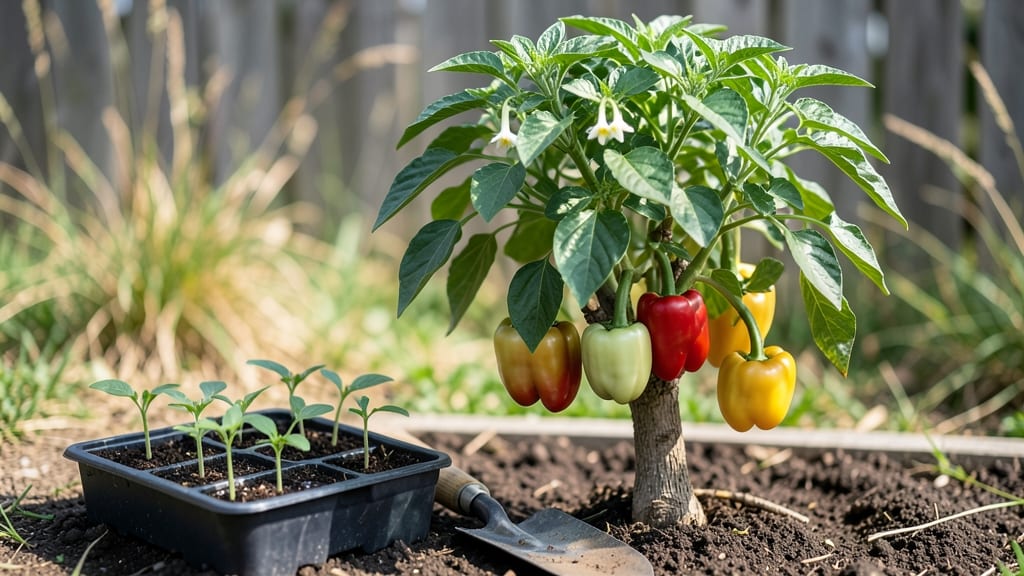
Planting bell peppers in Arkansas at the right time ensures a bountiful harvest 🌶️ — aim for after your last frost, when soil warms to at least 60°F.
Timing is everything, especially in USDA Zone 7b where frost lingers into April and summer heat arrives fast. Plant too early, and your peppers will bolt in the cold; too late, and the heat will stunt growth before fruit sets.
Arkansas gardeners have two key windows: start seeds indoors 8–10 weeks before your last frost (around early March) or transplant seedlings outdoors after mid-April. For a fall crop, late July to early August works best.
Below, I break down the exact dates, soil prep tips, and heat-tolerant varieties to maximize your yield—no guesswork, just proven strategies for Arkansas’ climate.
Optimal bell pepper planting dates in Arkansas (USDA Zone 7b guide)
Arkansas’ USDA Zone 7b offers a perfect window for growing bell peppers, but timing is critical. The state’s last frost dates range from mid-March in southern regions to late April in northern Arkansas.
Bell peppers need warm soil (60°F+) and frost-free conditions to thrive, making early planting risky. Let’s break down the best times to plant for maximum yield.
For direct sowing, wait until after the last frost when soil temperatures consistently stay above 60°F.
In most of Arkansas, this falls between mid-April and early May. Transplanting seedlings gives you an earlier start—plant them 2-3 weeks after your last frost date, typically late April to early June for a summer harvest. Fall planting is also possible for a late-season crop.
Here’s a quick reference for Arkansas’ microclimates—northern regions (like Fayetteville) have later frost dates than southern areas (like Little Rock). Adjust your planting schedule accordingly to avoid frost damage or heat stress.
| Planting Method | Optimal Time (Zone 7b) | Soil Temp Requirement | Yield Expectation |
|---|---|---|---|
| Direct Sowing | Mid-April to early May (after last frost) | 60°F+ consistently | Slower start, 60-70 days to harvest |
| Transplanting (Seedlings) | Late April to early June | 55°F+ (warmer soil preferred) | Faster growth, 50-60 days to harvest |
| Fall Planting (Succession) | Late July to early August | 60°F+ (soil must stay warm) | Smaller yield, harvest Sept-Nov |
| Northern Arkansas (e.g., Fayetteville) | Transplant by May 15 | 65°F+ (later frost risk) | Shorter growing season |
| Southern Arkansas (e.g., Little Rock) | Transplant by April 15 | 60°F+ (earlier warmth) | Longer harvest window |
If you’re starting seeds indoors, begin 8-10 weeks before your last frost date. For most of Arkansas, this means sowing seeds by early March. Use grow lights to provide 12-14 hours of light daily until seedlings are ready for transplanting.
Harden them off for 7-10 days before moving outdoors to reduce transplant shock.
For direct-sown peppers, choose a sunny, well-draining spot and amend the soil with compost or aged manure to improve fertility. Space seeds ½ inch apart and thin to 12-18 inches apart once seedlings emerge. Use black plastic mulch to warm the soil faster and suppress weeds.
Arkansas’ summer heat can stress bell peppers, so avoid planting too early. If you miss the spring window, succession planting in late July can yield a fall harvest. Choose heat-tolerant varieties like ‘Carolina Wonder’ or ‘Jupiter’ for better success in late plantings.
Monitor soil moisture closely—bell peppers need consistent watering (1-2 gallons per plant weekly) but hate soggy roots. Use drip irrigation to deliver water directly to the base and reduce fungal diseases. Mulch around plants to retain moisture and keep roots cool during Arkansas’ hot summers.
Plan for two planting cycles: one in spring for a summer harvest and another in late summer for a fall crop. This extends your growing season and ensures a steady supply of fresh peppers.
In northern Arkansas, focus on early-maturing varieties (60-70 days to harvest) to beat the first frost in November.
Pro tip: Use a soil thermometer to check temperatures before planting. Bell peppers won’t germinate well in cold soil, so wait until readings hit 60°F+ for at least a week. Patience here pays off with healthier plants and bigger yields.
🌶️
How to extend Arkansas’ growing season for bell peppers (cold protection & warmth hacks)
Arkansas gardeners know the struggle—spring frosts can delay planting, while summer heat arrives faster than your peppers can mature. The key to a longer harvest? Smart season extension using simple, low-cost tools.
By adding just 2-4 weeks to either end of your growing season, you could enjoy peppers from June through October instead of a rushed July-August harvest.
I’ve tested these methods in my Zone 7b garden, and even the most finicky pepper varieties thrive with the right protection. Whether you’re dealing with late April chills or September heat waves, these hacks will keep your plants happy—and productive.
- 1 Row Covers (Frost Protection)
- 2 Black Plastic Mulch (Soil Warmth)
- 3 Cold Frames (DIY Greenhouses)
- 4 Shade Cloth (Heat Relief)
- 5 Heat-Tolerant Varieties
Use floating row covers to shield seedlings from 28°F+ frosts. Secure with bricks or hoops and remove by mid-May to avoid overheating. Works for 4-6 weeks of early planting.
Lay black plastic mulch 2-3 weeks before planting to raise soil temps by 10-15°F. Poke holes for seedlings or transplant through slits. Best for late April/early May starts.
Build a low-cost cold frame with plywood and plexiglass to extend harvests into November. Add straw mulch inside to insulate roots. Ideal for late-summer transplants.
Hang 30-50% shade cloth over plants when temps hit 95°F+. Reduces stress and prevents blossom drop. Use from July through September.
Choose ‘Carmen’ or ‘Aristotle’ peppers—both thrive in 90°F+ heat and mature in 60-70 days. Perfect for late July sowings.
My favorite trick? Combining black plastic mulch with row covers for a 3-week head start in spring. I’ve seen seedlings emerge 2 weeks earlier this way, giving peppers a full month to mature before summer’s end. For fall, a cold frame adds 4-6 extra weeks of harvest time—no frost required!
Pro tip: Pair these methods with succession planting. Sow a new batch every 2 weeks from May through July to ensure a steady supply. Even in Arkansas’ short season, you can stretch peppers from June to November with the right planning.
Don’t let Arkansas’ unpredictable weather limit your pepper harvest. With these tools, you’ll turn challenges into opportunities—and enjoy homegrown peppers longer than your neighbors. 🌶️