Plants
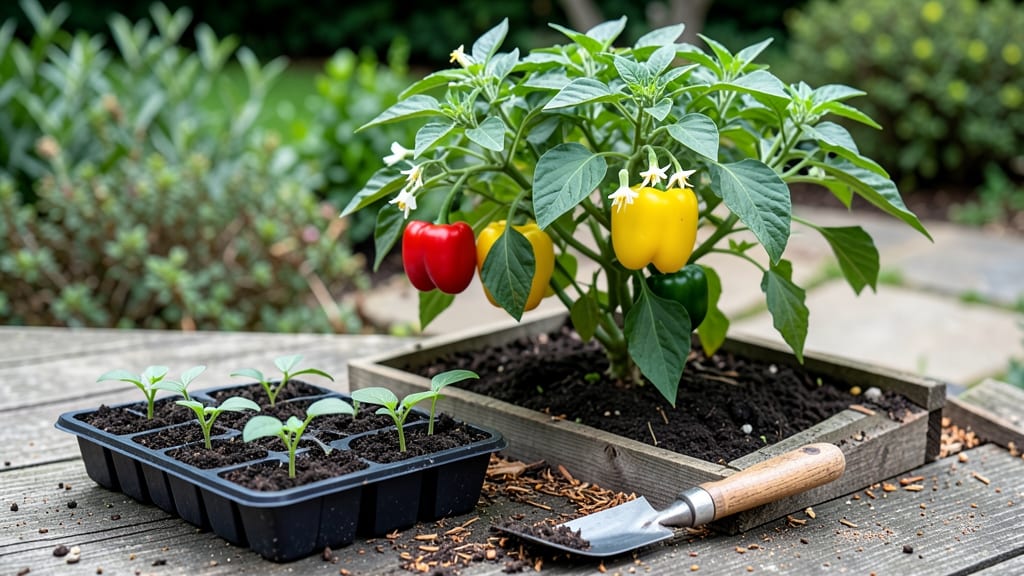
Planting bell peppers in Washington State after the last frost date—around mid-April to mid-June—sets you up for a bountiful harvest 🌶️.
Washington State’s diverse climate—from the rainy Pacific Northwest to the arid deserts of the east—means planting bell peppers at the wrong time can spell disaster for your harvest. But timing it right guarantees sweet, juicy peppers all season long.
Whether you’re starting seeds indoors or transplanting seedlings, the key is understanding your local frost dates and soil temperatures. In USDA Zones 6-8, the window is tight, and a late frost can wipe out your plants before they even take root.
Below, I’ll break down the exact planting schedule for your region, plus tips for adjusting for microclimates, soil conditions, and even high-altitude areas. Let’s get those peppers growing!
Washington State frost-free dates by USDA Zone: the critical planting window
Washington State’s USDA zones 4-8 create a complex puzzle for gardeners, especially when planting bell peppers. These heat-loving plants need warm soil (60°F+) and frost-free conditions to thrive.
The last spring frost varies dramatically—from early April in Zone 8 (Western WA) to late May in Zone 4 (high-altitude areas). Planting too early risks frost damage, while waiting too long cuts your harvest short.
In Western Washington (Zones 7-8), the Pacific Ocean’s moderating influence means milder winters and earlier frost-free dates. But Eastern Washington (Zones 4-6) faces harsher winters with later frost dates.
Understanding these patterns helps you choose between early varieties (60-day maturity) and late varieties (80+ days) for a longer harvest window.
Here’s how to use frost-free dates to determine your bell pepper planting window, including when to start seeds indoors and when to transplant outdoors:
| USDA Zone | Avg. Last Frost | Planting Window (Outdoor) | Start Seeds Indoors | Best Varieties |
|---|---|---|---|---|
| Zone 4 (High Altitude) | Late May | Mid-June to early July | March 15-April 1 | 'Early California Wonder' (60 days) |
| Zone 5 (Eastern WA) | Early May | Late May to early June | March 1-April 15 | 'Jupiter' (70 days) |
| Zone 6 (Central WA) | Mid-April | Early May to mid-May | February 15-March 15 | 'Aristotle' (75 days) |
| Zone 7 (Western WA) | Early April | Late April to early May | January 15-February 15 | 'Carolina Wonder' (80 days) |
| Zone 8 (Coastal WA) | Late March | Early April to mid-April | December 15-January 15 | 'Golden California Wonder' (70 days) |
For Zone 8 gardeners in Western WA, you can start seeds as early as December for an early April transplant. Meanwhile, Zone 4 gardeners in the mountains should wait until mid-June to avoid frost.
This 2-month difference highlights why choosing the right bell pepper variety is critical—shorter-season varieties like 'Early California Wonder' (60 days) work in cooler zones, while longer-season varieties like 'Carolina Wonder' (80 days) thrive in milder climates.
Pro tip: Use row covers or greenhouses to extend your planting window in Zones 4-6. These tools can push your last frost date back by 2-3 weeks, giving you an earlier start. Just remove covers once flowers appear to prevent heat stress.
If you’re in Eastern Washington (Zones 4-6), focus on early-maturing varieties and consider a second planting in July for a fall harvest. The hot, dry summers in areas like the Yakima Valley can actually benefit bell peppers, but consistent watering is key to prevent blossom end rot.
For Western Washington (Zones 7-8), take advantage of the longer growing season by planting successive crops every 2 weeks from April to June. This staggered approach ensures a continuous harvest from July through October.
Just be mindful of Pacific Northwest’s cloudy spells—supplement with grow lights if your garden lacks sufficient sun.
Always check your local USDA Plant Hardiness Zone map and historical frost data for your specific area. Microclimates—like urban heat islands or sheltered valleys—can shift frost dates by 1-2 weeks. When in doubt, use a soil thermometer to confirm 60°F+ soil temps
How to adjust planting time for Washington’s microclimates and soil conditions
Washington’s varied geography means your bell pepper planting schedule should shift dramatically between regions. The Puget Sound area enjoys milder winters and cooler summers, while the Yakima Valley has hotter days and cooler nights. These differences aren’t just about frost dates—they affect soil warming and plant maturity too.
For example, Seattle’s last frost often arrives by April 15, but Yakima might still see frost until May 1. Adjust your timing accordingly to avoid stunted growth or failed crops.
Soil temperature is another critical factor. Bell peppers thrive when soil reaches 60°F+, but this happens weeks earlier in lowland areas like Pasco than in mountainous regions like Mount Rainier.
Use a soil thermometer to confirm readiness—planting too early in cold soil can lead to root rot or poor germination. In coastal areas, cooler ocean breezes delay soil warming, so start seeds indoors or use black plastic mulch to accelerate heating.
- Puget Sound (Zones 7-8): Plant outdoors May 1–15 after soil warms to 60°F+. Start seeds indoors March 15 for early harvests.
- Yakima Valley (Zone 6): Wait until May 15–30 for safer planting. Use row covers to extend the season if frost threatens.
- Mountainous Areas (Zones 4-5): Plant June 1–15 or start seeds indoors April 15 under grow lights.
- Coastal Regions (Zone 8): Plant April 15–May 1 but protect from wind. Use straw mulch to retain warmth.
- High-Desert Areas (Zone 6-7): Plant April 1–15 but water deeply to combat dry soil. Avoid planting near late-spring frosts.
Elevation plays a sneaky role in planting success. Every 1,000 feet higher you go, temperatures drop about 3.5°F, delaying soil warming by 1–2 weeks.
If you garden above 2,000 feet, like in the Cascade foothills, opt for shorter-season varieties (e.g., 'Early California Wonder') or extend the season with greenhouses. Conversely, lowland areas like Wenatchee can support longer-season varieties like 'Aristotle' if planted by early May.
Don’t overlook soil type—sandy soils in Eastern Washington warm faster but drain quickly, while clay-heavy soils in Western WA retain moisture but stay cold longer. Amend your soil with compost or peat moss to improve drainage and warmth.
For container gardening in urban areas, use heat-retaining pots and place them in south-facing spots to mimic ideal growing conditions.
Monitor local weather patterns beyond frost dates. The Puget Sound often sees unpredictable rain in May, while the Columbia Basin can experience sudden heatwaves. Use weather apps or USDA frost maps to track trends.
If your area has a history of late frosts (like Spokane), wait until May 15 or use frost cloth for protection. Conversely, in hotter inland valleys, plant early to avoid blossom drop from summer heat.
For a second harvest, try succession planting in late June or early July with short-day varieties like 'Sweet Banana'. This works best in Zone 7+ areas where summers are long. Pair this with drip irrigation to maintain consistent moisture, especially during Washington’s dry summers.
Adjust your watering schedule based on your microclimate—coastal areas may need less frequent watering due to humidity, while desert-like regions require daily checks during peak heat.