
Plants
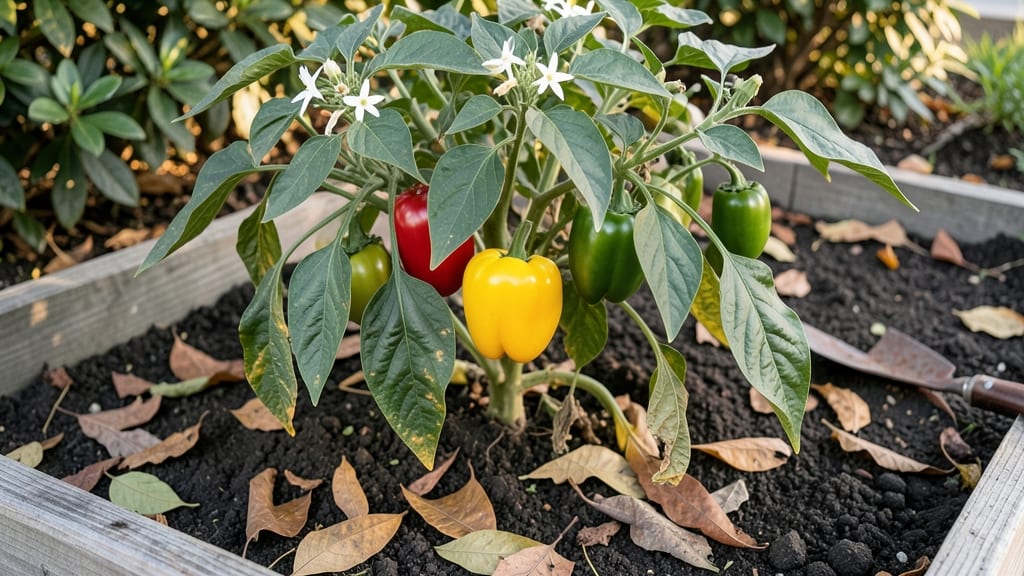
When those leaves falling off pepper plants seem unstoppable, this quick fix can halt the damage and bring back lush growth before your next harvest. 🌱 I've seen this happen with my own plants when... stress creeps in, and the good news is most cases are fixable with simple adjustments.
The key is identifying the root cause (and yes, it's often something you can control).
Common culprits include sudden temperature swings, overwatering, or hidden pests like spider mites that suck the life out of leaves before you even notice. You might spot yellowing edges, blackened stems, or tiny webs clinging to the undersides of leaves — all red flags that your plants are under siege.
The sooner you act, the better their chances of bouncing back.
Within 7-10 days of addressing the issue, you'll see new leaves emerging with vibrant green color, and the plant will start putting energy back into fruit production instead of survival mode.
The secret is a combination of proper watering, pest control, and creating stable growing conditions — none of which require expensive tools or chemicals.
Even if your plants look rough now, they're tougher than they appear. With the right approach, you'll have them thriving again in no time — and next season, you'll spot early warning signs before they become full-blown problems. Let's get those peppers back on track.
Root Causes Of Pepper Plant Leaf Drop
Understanding why your pepper plants are shedding leaves starts with identifying the hidden triggers often overlooked by gardeners. These causes range from environmental stress to internal plant health issues, each leaving distinct clues. Let’s break down the science behind the most common culprits—so you can diagnose and act fast.
Pepper plants (Capsicum annuum) thrive in well-draining soil with consistent moisture—but too much water suffocates roots, leading to leaf yellowing, wilting, and premature drop. Here’s why it happens:
- Root Rot (Phytophthora spp.): Waterlogged soil cuts off oxygen, triggering fungal infections like Phytophthora or Pythium.
Roots rot, starving the plant of nutrients, and leaves detach as the plant prioritizes survival over foliage. - Nutrient Uptake Failure: Excess water flushes away essential minerals (like nitrogen, potassium, and magnesium), causing chlorosis (yellowing between veins) before leaves fall. - Soil Compaction: Heavy, clay-rich soils hold water like a sponge.
Compacted roots struggle to absorb oxygen, leading to anaerobic stress and leaf abscission (natural shedding).
🔍 Actionable Clues:
- Wilting despite wet soil (stick your finger in—if it’s soggy, you’re overwatering).
- Mushy, dark roots when gently dug up.
- Musty odor from the soil surface.
Pepper plants are drought-sensitive, especially in hot climates. When soil dries out too quickly, leaves curl, crisp, and drop as a survival mechanism. Heat stress accelerates this:
- Transpiration Overload: In temperatures above 85°F (29°C), stomata (leaf pores) open wider to cool the plant, but if roots can’t supply enough water, cells plasmolyze (collapse from dehydration). - Oxidative Damage: Prolonged drought triggers reactive oxygen species (ROS), which damage cell membranes.
Leaves turn brown at the edges before detaching. - Root Shrinkage: Roots retract from dry soil, reducing water absorption. The plant sheds older leaves to conserve energy for new growth.
🔍 Actionable Clues:
- Dry, papery leaves that crumble when touched.
- Soil pulls away from pot edges (indicating extreme dryness).
- Leaf edges curling upward (a classic drought signal).
Pepper plants are heavy feeders, and deficiencies in key nutrients cause leaves to yellow, weaken, and fall prematurely. Each deficiency targets specific leaf areas:
| Nutrient | Deficiency Signs | Why Leaves Drop |
|---|---|---|
| Nitrogen (N) | Pale yellow leaves (older first) | Stunted growth; plant sheds leaves to redirect energy to roots. |
| Potassium (K) | Brown scorch marks on leaf edges | Weakens cell walls; leaves drop to prevent further water loss. |
| Magnesium (Mg) | Yellow interveinal patterns (older leaves) | Chlorophyll breakdown; leaves detach as they can’t photosynthesize efficiently. |
| Calcium (Ca) | Cupping or blistering on new leaves | Affects cell division; new growth fails, causing older leaves to drop prematurely. |
💡 Pro Tip: Test your soil with a DIY kit (or send to a lab) to confirm deficiencies. Peppers often need balanced fertilizer (like 10-10-10) every 4–6 weeks.
Hidden pests sap nutrients from leaves, causing them to weaken and fall.
Common culprits include: - Aphids: Cluster on undersides, injecting toxins that cause curls and drop. - Spider Mites: Tiny red pests create fine webbing and suck cell sap, leading to bronzing and leaf death. - Caterpillars/Slugs: Chew irregular holes in leaves, triggering stress responses that shed foliage.
🔍 Actionable Clues:
- Sticky residue (honeydew) on leaves (aphid sign).
- Fine webbing between leaves (mites).
- Silvery slime trails (slugs).
Fungal, bacterial, and viral pathogens disrupt leaf function, forcing premature drop.
Key offenders: - **Early Blight (Alternaria solani): Brown target-like spots with yellow halos; leaves drop to stop spore spread. - Bacterial Leaf Spot (Xanthomonas): Water-soaked lesions that enlarge; bacteria clog stomata, suffocating leaves. - Viral Mosaic (e.g., Tobacco Mosaic Virus): Yellow-green mottling; viruses hijack plant cells, causing systemic decline.
💡 Pro Tip: Rotate crops annually and sterilize tools to prevent soil-borne diseases. Remove fallen leaves immediately—they’re pathogen reservoirs!
Sudden changes in temperature, humidity, or light trigger physiological stress, causing leaves to abscise (detach naturally).
Examples: - Cold Drafts: Below 50°F (10°C) stalls growth; leaves drop to conserve energy. - Wind Burn: High winds desiccate leaves (like a paper cut), leading to browning and drop. - Transplant Shock: Moving peppers disrupts root systems, causing temporary leaf loss as roots re-establish.
🔍 Actionable Clues:
- Leaf edges turning crispy (wind or low humidity).
- Wilting in cool mornings (cold stress).
- New leaves dropping** after repotting (root trauma).
Quick Fixes for Pepper Plant Recovery
Now that you’ve identified why your pepper plants are losing leaves, it’s time to take action! Whether it’s pests, disease, environmental stress, or nutrient deficiencies, each issue has a targeted solution to help your plants bounce back strong.
Below are practical, step-by-step fixes—plus prevention tips—to keep your peppers thriving and producing.
If your pepper plants are battling powdery mildew, blight, or bacterial spot, act fast before the problem spreads.
🍳 Step 1: Prune Affected Leaves
- Use sterilized pruners (wipe with rubbing alcohol) to remove yellowed, spotted, or wilted leaves.
- Dispose of them in the trash (not compost)—don’t risk reinfecting healthy plants.
- Focus on lower leaves first, as they’re most vulnerable to moisture and disease.
👨🍳 Step 2: Apply Fungicide or Bacterial Spray
- For fungal issues (powdery mildew, early blight):
- Mix 1 tsp baking soda + 1 quart water + a few drops of dish soap (as a surfactant). Spray early in the morning on dry leaves.
- Store-bought options: Copper fungicide or neem oil (follow label instructions).
- For bacterial spot:
- Use a copper-based bactericide (like Copper Soap).
- Avoid overhead watering to prevent splashing bacteria onto leaves.
🥘 Step 3: Improve Air Circulation
- Space plants 12–18 inches apart (if in the ground) or thin out crowded pots.
- Use a small fan on low (2–3 hours/day) to dry leaves faster and reduce humidity.
⏰ Step 4: Prevent Future Outbreaks
- Water at the base (not overhead) to keep foliage dry.
- Rotate crops—don’t plant peppers or tomatoes in the same spot next year.
- Solarize soil (cover with clear plastic for 4–6 weeks in hot sun) to kill pathogens.
If aphids, spider mites, or whiteflies are sucking the life out of your peppers, here’s how to evict them fast.
🔪 Step 1: Blast Off Pests with Water
- Spider mites & aphids: Spray plants with a strong stream of water (early morning) to knock them off.
- Whiteflies: Use a yellow sticky trap near plants to catch adults.
💡 Step 2: Introduce Natural Predators
- Ladybugs, lacewings, or parasitic wasps eat aphids and mites. Buy them online or attract them with dill or fennel plants.
- Neem oil spray (1 tbsp neem oil + 1 tsp mild soap + 1 quart water) disrupts pests’ life cycles.
🎯 Step 3: Remove Heavy Infestations
- For severe cases, use insecticidal soap or pyrethrin spray (follow directions carefully).
- Avoid chemical pesticides—they can harm bees and beneficial insects.
✨ Step 4: Keep Pests Away Long-Term
- Interplant with basil, marigolds, or onions—these repel pests naturally.
- Inspect new plants before bringing them indoors or into the garden.
- Clean up debris (fallen leaves, weeds) where pests hide.
If heat, cold, or poor soil are causing leaf drop, your peppers need a little TLC.
🌱 Step 1: Adjust Watering Habits
- Underwatering? Water deeply 1–2 inches into soil when the top inch is dry. Use drip irrigation to avoid wetting leaves.
- Overwatering? Let soil dry out between waterings. Aerate compacted soil with a fork to improve drainage.
🌡️ Step 2: Protect from Temperature Shocks
- Heat stress? Provide shade cloth (30–50%) during peak afternoon sun.
- Cold damage? Move pots indoors or cover with frost blankets if temps drop below 50°F (10°C).
🍎 Step 3: Fertilize Smartly
- For yellow leaves (nitrogen deficiency): Add compost or a balanced fertilizer (10-10-10).
- For weak growth (phosphorus/potassium): Use a tomato/vegetable fertilizer (5-10-10).
- Avoid over-fertilizing—this can burn roots. Test soil first if possible.
📊 Step 4: Boost Soil Health
- Amend soil with aged manure, worm castings, or coconut coir for better moisture retention.
- Mulch with straw or grass clippings to regulate temperature and retain water.
Once you’ve addressed the root cause, help your pepper plants recover with these pro tips:
- Trim back severely damaged plants to encourage new growth from healthy stems.
- Supplement with foliar feed (like seaweed extract) to speed up recovery.
- Be patient! Peppers are resilient—new leaves should appear in 1–2 weeks if conditions improve.
💡 Pro Tip: Keep a plant journal to track what works! Note watering schedules, pest outbreaks, and fertilizer types so you can adjust next season.
Frequently asked questions
Why do pepper plant leaves turn yellow before falling off?
Yellowing leaves are usually a sign of nutrient deficiencies or overwatering. Older leaves yellow first when lacking nitrogen, while potassium deficiency causes brown edges. Check soil moisture—if it's soggy, roots may be suffocating from excess water. A balanced fertilizer can help restore health.
Can I save my pepper plant if most leaves are already gone?
Yes! Prune back severely damaged stems to 1/3 of their height to redirect energy. Focus on fixing the root cause (water, pests, or nutrients) and keep the plant in stable conditions. With proper care, new leaves should emerge in 1-2 weeks—peppers are resilient!
What's the fastest way to tell if my pepper plant has pests?
Look for tiny webs (spider mites), sticky residue (aphids), or irregular holes (caterpillars). Shake leaves over white paper—pests will fall onto it. Early morning is best for spotting them. A strong water spray can dislodge many pests immediately.
Should I remove fallen pepper leaves from the ground?
Fallen leaves can harbor fungal spores or bacterial infections that reinfect healthy plants. Remove them completely and dispose of them in the trash (not compost). This prevents disease cycles from continuing.
How often should I fertilize pepper plants after they lose leaves?
Wait 2-3 weeks after recovery begins to avoid overloading stressed plants. Use a balanced fertilizer (10-10-10) every 4-6 weeks during growing season. For quick recovery, a foliar feed like seaweed extract can help without overwhelming roots.