
How To
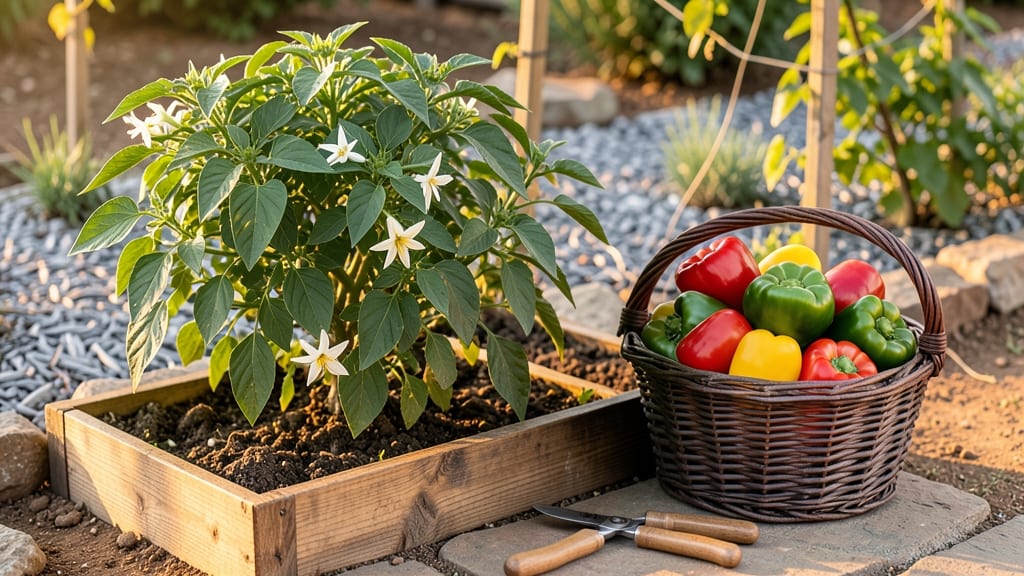
To pick peppers at their peak flavor and heat, timing is everything—wait too long, and you risk losing sweetness or even bitter, tough skins.
Picture this: you’ve nurtured your 🌶️ bell peppers all summer, and now the question looms—when is the just-right moment to harvest? Skip this window, and you might end up with underripe peppers that lack depth or overripe ones that turn mealy.
The good news? A few simple cues—color, firmness, and even the way the pepper feels—can tell you exactly when to reach for those pruners.
Different varieties ripen at different speeds, and cooler temperatures can stall the process. A jalapeño might be ready to pick when it’s still green but firm, while a bell pepper needs that vibrant red or yellow glow.
Below, I’ll break down the exact stages to watch for, plus how to test ripeness beyond just color so you never miss the sweet spot.
You’ll also discover how to avoid common mistakes—like harvesting too early or leaving peppers on the vine past their prime—and how seasonal shifts can throw off your timing. Ready to turn your pepper patch into a flavor powerhouse?

Peppers by color: the exact ripening stages for optimal harvest
Peppers transform dramatically as they ripen, shifting from green to vibrant yellow, orange, red, or even purple hues. Each color stage isn't just about aesthetics—it directly impacts flavor, heat levels, and nutritional value.
For example, green peppers pack a milder kick, while red varieties often develop sweeter, more complex flavors. Understanding these stages helps you decide whether to harvest for fresh eating, cooking, or preserving.
Climate plays a crucial role in pepper ripening. In hotter regions (Zones 9-11), peppers may fully ripen on the vine, while cooler climates (Zones 3-6) might require picking green and ripening indoors.
The key is knowing when to intervene—whether to leave peppers on the plant or harvest early for controlled ripening. Let’s break down each stage by color and what it means for your harvest.
| Color Stage | Flavor Profile | Heat Level | Best For | Climate Notes |
|---|---|---|---|---|
| Green | Grassy, slightly bitter | Low (0-1,000 SHU) | Pickling, stir-fries | Harvest early in cool climates |
| Yellow | Sweet, fruity, tangy | Moderate (1,000-5,000 SHU) | Salads, raw dishes | Ripens faster in heat |
| Orange | Balanced sweetness & heat | Medium (3,000-10,000 SHU) | Roasting, salsas | Short-lived stage |
| Red | Deep, sweet, complex | Low to medium (varies) | Fresh eating, sauces | Needs warm, long season |
| Purple | Earthy, slightly smoky | Moderate (2,000-8,000 SHU) | Unique dishes, garnishes | Rare; thrives in heat |
Green peppers are often harvested early, especially in shorter growing seasons. They’re crunchy and less sweet but pack a higher vitamin C content than ripe peppers. If you’re growing jalapeños or serranos, green peppers can still deliver heat—just milder than their mature counterparts.
For example, a green jalapeño might clock in at 1,500 SHU, while red jalapeños can hit 8,000 SHU.
Yellow peppers signal the first major flavor shift, offering a sweeter, almost tropical taste. They’re perfect for raw applications like salads or stuffing. In cooler climates (Zones 4-7), yellow peppers may ripen faster than reds, making them a reliable harvest option.
If you notice yellow peppers softening too quickly, it’s time to pick them—overripe peppers lose their crispness and develop a mealy texture.
Orange peppers are the underrated gems of the pepper world, often overlooked but beloved for their caramel-like sweetness. They bridge the gap between yellow and red, offering a balanced heat-to-sweetness ratio.
In hotter climates (Zones 8-11), orange peppers may appear briefly before turning red. If you’re growing shishito peppers, orange is their peak stage for fresh eating.
Red peppers are the gold standard for flavor, packing the most sugar, vitamin A, and antioxidants. Their heat drops significantly compared to green stages, making them ideal for fresh snacks or cooking. However, red peppers require consistent warmth and sunlight to develop fully.
In northern climates, you might need to pick peppers green and ripen them indoors under a grow light or in a sunny window.
Purple peppers, like the Rosa Bianca, are a rare and stunning variety that turns purple when ripe. They offer an earthy, slightly smoky flavor with moderate heat. These peppers thrive in hot, dry climates and are often used as ornamental plants due to their striking color.
If you’re growing them in cooler areas, expect slower ripening and possibly incomplete color changes.
Regional variations matter when planning your harvest. In Southern states (Zones 9-11), peppers can ripen fully on the vine year-round, while Northern growers (Zones 3-6) may need to pick peppers green and ripen them indoors.
For example, a bell pepper in Florida might turn red in 60-70 days, while the same variety in Maine could take 90+ days and may never fully ripen outdoors.
Pro tip: Use a harvest journal to track pepper ripening in your climate. Note the days to maturity for each variety and adjust your planting schedule accordingly.
For instance, if you’re growing habaneros in a short season, you might prioritize harvesting at the orange stage for maximum heat before frost hits.
Don’t forget that storage conditions after harvest can influence flavor development. Peppers ripen best at room temperature (70-75°F)
How to test pepper ripeness beyond color: tactile & taste cues
Color isn't the only way to know when your peppers are ready for harvest. Many gardeners rely on tactile cues and taste tests to ensure peak flavor and heat. These methods help you avoid premature harvesting (underripe peppers) or leaving them too long (overripe, mealy textures).
Let’s explore how to feel, smell, and sample your peppers like a pro.
Start by examining the stem attachment. A ripe pepper will separate cleanly from the plant with a gentle twist or slight tug. If the stem resists or tears, the pepper needs more time.
This stem separation test works for both sweet and spicy varieties, giving you a reliable tactile signal that the pepper’s sugars and capsaicin have fully developed.
Next, give the pepper a firmness test. Press your thumb gently into the skin—ripe peppers yield slightly but don’t dent easily. Overripe peppers feel soft or wrinkled, while underripe ones stay hard and rubbery.
This simple touch can save you from harvesting peppers that are still developing their signature flavors.
⚠️ Common Mistake Alert: Overripe Peppers
Leaving peppers on the vine too long turns them mealy and seedy, ruining their texture and flavor. Watch for these overripe signs:
- Wrinkled skin (loss of moisture)
- Soft spots when pressed
- Excessive seed development (bitter taste)
Harvest just before these signs appear for the best results!
For a definitive answer, try a taste test. Cut a small slice from the pepper and sample it raw. Underripe peppers taste bland or grassy, while ripe ones burst with sweetness (bell peppers) or intense heat (jalapeños, habaneros).
This method is especially useful for heirloom varieties with unpredictable ripening patterns.
Pay attention to the pepper’s aroma too. Ripe peppers emit a sweet, fruity, or slightly earthy scent, depending on the variety. A musty or fermented smell signals overripeness. This olfactory cue works well alongside the tactile tests for a well-rounded assessment.
Finally, consider the pepper’s size relative to its variety. For example, a bell pepper should reach 3-4 inches before harvesting, while a jalapeño might be ready at 2-3 inches.
Combine size with the other cues for the most accurate timing. Consistency across these methods ensures you’re harvesting at the perfect moment.
With these tactile and taste cues, you’ll never guess when to pick your peppers again. Happy harvesting! 🌶️