
Flowers
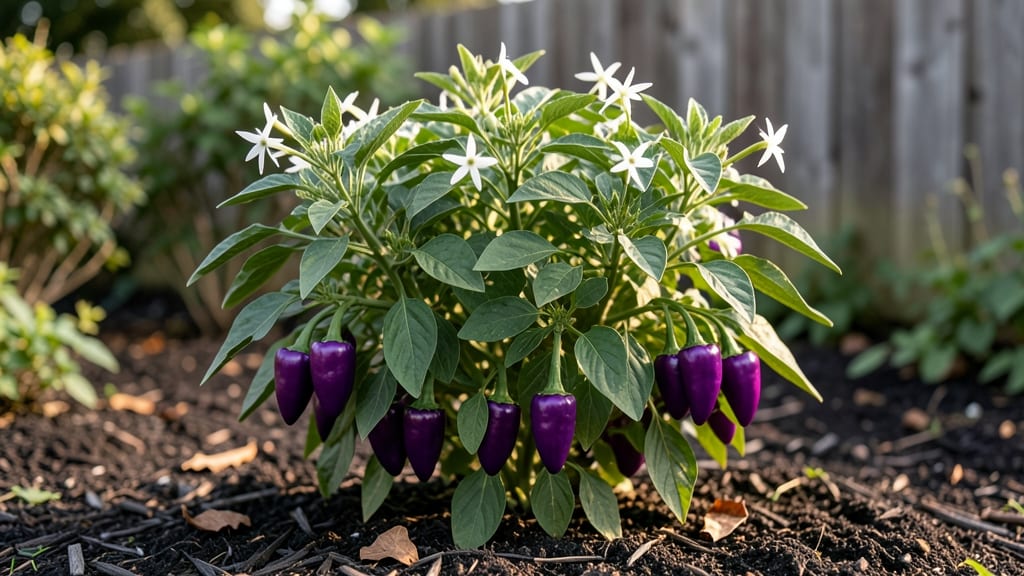
Your garden just got a floral upgrade with Pretty in Purple peppers—those stunning purple blooms that make your flower beds pop like a bouquet from your favorite florist. 🌸 I’ll never forget the first time I saw them: the deep violet flowers standing out against green foliage, drawing bees and butterflies like a magnet.
These aren’t just edible—they’re showstoppers. Pair them with silver foliage plants like lamb’s ear or dusty miller, and the purple hue becomes even more dramatic. Or tuck them into containers with trailing purple nasturtiums for a cascading effect that steals the show.
By midsummer, you’ll have clusters of glossy purple peppers hanging like edible jewels, adding color and texture to any space. The foliage stays lush, the blooms keep coming, and your garden becomes the envy of the neighborhood. Works in flower beds, containers, or even as a striking border.
Let’s make your garden the most talked-about one on the block!
📚 In This Guide
- What you need
- Instructions
- Tips and common mistakes
- Wrapping up and next steps
What you need
- ● Purple Pepper Seeds: 10–20 seeds (choose heirloom or hybrid varieties like ‘Purple Beauty’ or ‘Purple Sensation’ for vibrant blooms).
- ● Well-draining potting mix: 1–2 gallons (look for a blend with perlite or vermiculite for aeration).
- ● Containers or garden bed: Containers: 5–7-inch pots (1 per plant) with drainage holes.
- ● Garden bed: Full sun (6+ hours/day) and loose, fertile soil with a pH of 6.0–7.0.
- ● Slow-release fertilizer: 10–20–10 NPK ratio (follow package instructions for application).
- ● Watering can or hose: With a gentle spray nozzle for seedlings.
- ○ Gloves & knee pads: For comfortable planting (optional but highly recommended!).
- ● Trowel or small shovel: For transplanting seedlings.
- ● Spray bottle: To mist seedlings and prevent fungal issues.
- ○ Pruning shears: For trimming leggy stems (optional, post-flowering).
- ● Sunlight tracker: To monitor light exposure (helpful for indoor growers).
- ● Decorative pebbles or mulch to enhance aesthetics.
- ● Eggshells or crushed bone meal for added calcium (boosts blooms!).
- ● Compost tea for a nutrient boost (homemade or store-bought).
- ● Stakes or cages to support heavy pepper plants (if growing vertically).
Step-by-Step guide to growing pretty purple peppers
These stunning peppers aren't just edible—they're showstoppers that bring color and drama to any garden.
🌱 Step 1: Start Seeds Indoors for Early Blooms
Begin seeds indoors 8-10 weeks before your last frost date. Fill biodegradable seed pots (3-4 inches deep) with sterile seed-starting mix—never garden soil, as it can harbor diseases that kill delicate pepper seedlings. Moisten the mix until it's damp like a wrung-out sponge, then press it down gently to remove air pockets.
Plant 2-3 seeds per pot at a depth of ¼ inch, just below the soil surface. Cover lightly with additional mix, then mist with water until the surface looks uniformly damp. Place the pots in a warm spot (75-85°F)—a seedling heat mat works wonders. Keep the soil consistently moist but never soggy, as peppers hate wet feet from the start.
☀️ Step 2: Provide Bright Light and Prevent Leggy Growth
The instant seedlings emerge, move them to a south-facing window or under grow lights for 14-16 hours of light daily. Without enough light, seedlings stretch toward the sun (called "legginess"), and those weak stems never recover. You'll know your light is perfect when seedlings grow compact and sturdy, with leaves spaced 1 inch apart rather than stretched far apart.
Rotate pots a quarter turn daily so plants grow straight, not lopsided. If you notice seedlings leaning toward the light, your setup is too far away—move it within 2-3 inches of the plants. Fertilize lightly with half-strength liquid fertilizer when the first true leaves appear (not the tiny seed leaves).
🪴 Step 3: Transplant Outdoors After All Frost Risk Passes
Wait until nighttime temperatures stay above 55°F before moving peppers outside. Harden off seedlings by placing them in a shaded, sheltered spot for 1-2 hours the first day, then gradually increase outdoor time over 7-10 days. Transplant on an overcast afternoon to reduce stress, spacing plants 18-24 inches apart in well-draining soil enriched with compost.
Dig a hole twice as wide as the root ball to encourage root spread. Plant at the same depth as the pot, then water deeply to settle the soil. Mulch around the base with 2-3 inches of straw or shredded leaves to retain moisture and keep roots cool. Purple peppers thrive in full sun (6+ hours daily), so choose a spot where they'll get morning sun and afternoon shade if your climate is hot.
💧 Step 4: Water Deeply and Fertilize for Vibrant Blooms
Water at the base of plants (never overhead) when the top 1-2 inches of soil feel dry to the touch. Pepper plants need 1-1.5 inches of water weekly, but avoid soggy soil—root rot is their biggest enemy. A drip irrigation system or soaker hose delivers moisture evenly without wetting leaves, which prevents fungal diseases like powdery mildew.
Feed plants every 3-4 weeks with a balanced fertilizer (10-10-10) once they start flowering. Purple peppers produce their best color when they get regular nutrients, but too much nitrogen leads to leafy growth at the expense of blooms. You'll see vibrant purple hues deepen when flowers appear—this is your signal that the plant is happy and thriving.
✂️ Step 5: Prune and Harvest for Continuous Blooms
Pinch off the first few flowers that appear to encourage bushier growth. Once the plant is established, remove any yellowing or diseased leaves immediately to keep the plant healthy. Purple peppers benefit from light pruning—trim back leggy stems to redirect energy into producing more flowers and fruit.
Harvest peppers when they reach full color and firm texture, typically 60-80 days after transplanting. Use pruning shears to cut stems cleanly, leaving a ¼ inch of stem attached. The more you harvest, the more the plant produces—so check daily during peak season. Store in the fridge for up to 2 weeks, or dry them for long-term use.
Tips & tricks for growing stunning purple peppers
Real talk: Growing these showstopper peppers takes patience, but these tricks will help you skip the common pitfalls and end up with a garden that looks like a floral masterpiece.
Timing Secret: That 8-10 week indoor start window is non-negotiable for most climates. If you're in Zone 5 or colder, I always start mine 10 weeks early—this gives seedlings the head start they need to handle transplant shock. Mark your calendar based on your last frost date, and count backward from there. Pro tip: Use a seedling heat mat to maintain that 75-85°F range consistently—pepper seeds need warmth to germinate reliably.
Lighting Strategy: The 14-16 hours of daily light in Step 2 is crucial, but here's what nobody tells you—your seedlings will tell you when they're unhappy. If you see them stretching toward the light (legginess), it's already too late to fix the damage. Start with lights 2-3 inches above the plants and adjust as they grow. I use LED grow lights on a timer and raise them weekly to keep the distance constant. A south-facing window only works if you're in a sunny climate—otherwise, supplement with grow lights to prevent weak stems.
Transplanting Wisdom: When you're hardening off seedlings in Step 3, don't rush the 7-10 day process. I've learned this the hard way—plants shocked by sudden temperature changes go into survival mode and stop producing flowers. Start with just 1-2 hours in the shade on day one, then gradually increase exposure. On the transplant day, choose an overcast afternoon because direct sun will stress the plants immediately after moving them outside. Water them deeply right after planting to help roots establish quickly in their new home.
Color Boost: For those truly vibrant purple hues, fertilize with a 10-10-10 balanced fertilizer once flowering begins, but here's the trick: reduce nitrogen by half. Too much nitrogen (the first number) makes plants grow leaves instead of flowers. I switch to a 5-10-10 formula during flowering to encourage more blooms and deeper purple color. The secret's in the phosphorus (second number)—it's what makes those flowers pop!
Pro Tips for Pretty In Purple Pepper
- Real talk: Growing these showstopper peppers takes patience, but these tricks will help you skip the common pitfalls ...
- Timing Secret: That 8-10 week indoor start window is non-negotiable for most climates. If you're in Zone 5 or colder,...
- Lighting Strategy: The 14-16 hours of daily light in Step 2 is crucial, but here's what nobody tells you—your seedlin...
Frequently asked questions
How long does it take for pretty in purple peppers to bloom?
With proper care, you can expect vibrant blooms 6–8 weeks after planting, especially in warm climates (zones 9–11). Cooler areas may see delayed flowering—consider starting seeds indoors 8–10 weeks early or opt for container gardening to extend the season. Patience pays off with bold, florist-worthy color!
Why are my purple pepper flowers wilting or dropping?
Wilted or falling blooms often signal underwatering or overwatering. These peppers thrive with 1–1.5 inches of water per week, but ensure well-draining soil to prevent root rot. Too much heat or direct sun can also stress plants—try light shade during peak afternoon sun if leaves crisp. Check for pests (like aphids) too!
Can I use pretty in purple peppers in floral arrangements?
Their deep magenta blooms pair beautifully with greens, roses, or even white peppers for a modern, edible bouquet. Snip stems at an angle, remove lower leaves, and place in water immediately. For long-lasting arrangements, add a splash of flower food (like bleach-free vinegar solution) to extend freshness by 5–7 days.
Are there purple pepper varieties with stronger fragrance?
While pretty in purple isn’t known for a strong scent, varieties like ‘Black Hungarian’ or ‘Purple Beauty’ offer subtle, earthy aromas. For highly fragrant options, pair with herbs like basil or thyme in your garden. Pro tip: Crush leaves gently to release any hidden notes—it’s like a mini perfume!
How do I speed up blooming in containers?
Container-grown peppers bloom faster with full sun (6+ hours/day), balanced fertilizer (like 10-10-10), and regular pruning to encourage bushier growth. Use self-watering pots to maintain moisture without overwatering. A light pinch of Epsom salt (1 tbsp per gallon of water) monthly can boost magnesium for vibrant blooms!
Wrapping up and next steps
Growing pretty in purple pepper isn’t just about adding color to your garden—it’s about embracing nature’s artistry and reaping the rewards of fresh, vibrant blooms. Whether you’re a seasoned gardener or a beginner, these peppers prove that beauty and productivity can go hand in hand. 🌸
Ready to take the next step? Start by selecting your favorite variety, gathering your supplies, and giving these stunning plants the love they deserve. Before you know it, your garden will be bursting with purple pepper magic—and maybe even a few extra peppers for your kitchen! 🌱✨