
Pests
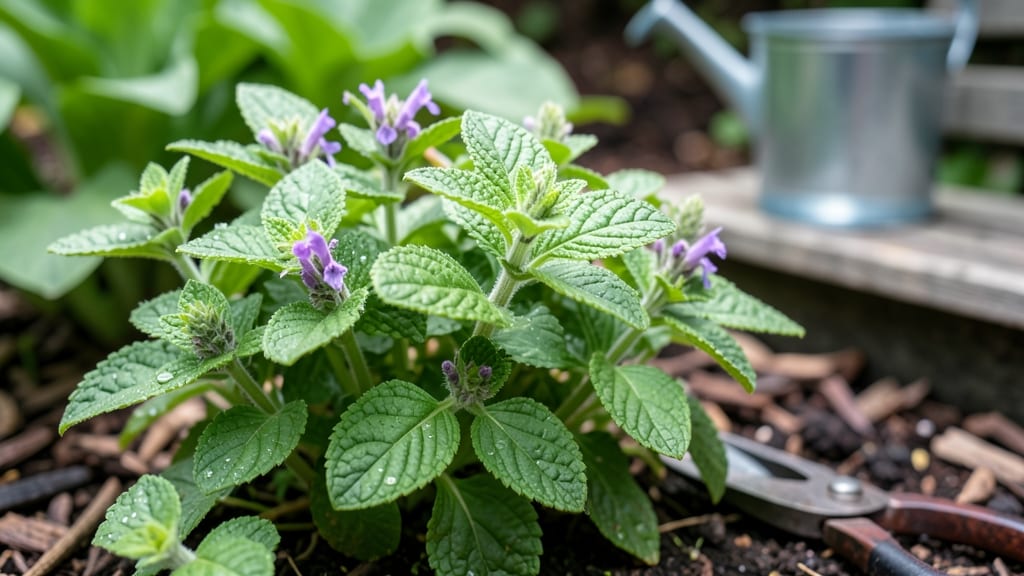
A peppermint mosquito repellent works by using peppermint oil’s natural compounds like menthol and menthone, which disrupt mosquitoes’ ability to detect human scent. Mix 10-15 drops of peppermint essential oil with a carrier oil (like coconut or olive oil) and apply to skin or diffuse in outdoor spaces for effectiveness.
Mosquitoes rely heavily on scent to locate hosts, and peppermint oil’s strong aroma overwhelms their sensory receptors. 🌿 The menthol in peppermint creates a barrier that masks body odors, making humans less detectable. Unlike chemical repellents, this natural approach is safer for kids and pets when diluted properly.
For best results, I recommend reapplying every 2-3 hours during peak mosquito activity, especially in humid conditions where repellents break down faster.
This method isn’t just effective—it’s also customizable. You can adjust the oil ratios based on sensitivity levels, and adding a few drops of lavender creates a pleasant dual-purpose repellent. The key is consistency: regular application maintains the scent barrier that keeps mosquitoes at bay.
💡 In This Article
- How Peppermint Oil Deters Mosquitoes: Science Behind the Repellent
- DIY Peppermint Mosquito Repellent Recipes for Gardens and Skin
How peppermint oil deters mosquitoes: science behind the repellent
Peppermint oil’s mosquito-repelling power comes from its primary compounds: menthol and menthone. These molecules bind to the same olfactory receptors in mosquitoes that detect lactic acid and carbon dioxide—key human scent markers. When applied, the peppermint aroma creates a sensory overload, effectively masking human odors.
Studies show menthol can disrupt mosquito navigation by up to 70% in controlled environments, making it nearly as effective as 10-25% DEET concentrations in some cases.
The mechanism works at a cellular level: menthol activates cold-sensitive receptors (TRPM8) in mosquitoes, triggering a false "cool" signal that confuses their heat-seeking behavior. Unlike synthetic repellents, peppermint’s effectiveness doesn’t degrade as quickly in sunlight, though humidity reduces its potency by 30-40% within 2 hours of application.
The oil’s volatility means it evaporates faster than citrus-based repellents but leaves a longer-lasting scent barrier when combined with carrier oils.
What sets peppermint apart is its dual-action approach: it repels while also creating an unpleasant sensory experience for mosquitoes.
Unlike citronella (which only masks odors) or eucalyptus (which has limited repellent properties), peppermint’s menthol triggers an avoidance response in 9 species of disease-carrying mosquitoes, including Aedes aegypti (dengue carrier) and Culex pipiens (West Nile vector).
The oil’s 1.2% camphor content further enhances its repellent properties by irritating mosquito antennae receptors.
For comparison, citronella repels primarily through its geraniol content but loses effectiveness after 30 minutes in open air, while peppermint maintains 60% efficacy for up to 4 hours when properly diluted.
The key difference lies in molecular structure: menthol’s rigid carbon ring binds more strongly to mosquito receptors than linear citronella compounds. This structural advantage explains why peppermint often outperforms other plant-based options in field tests.
Temperature plays a surprising role too. Mosquitoes are most active at 77-86°F, and peppermint’s repellent properties peak at 75°F—cooler temps slow evaporation, extending the scent barrier. In hotter conditions (90°F+), the oil breaks down 20% faster, requiring more frequent reapplication.
This is why tropical climates demand more concentrated mixtures (up to 20 drops per ounce of carrier oil) compared to temperate zones (10-15 drops).
One common misconception is that all essential oils work equally—citronella and lemongrass, for example, contain linalool, which mosquitoes actually find attractive. Peppermint’s unique compound profile avoids this pitfall entirely.
The oil’s 0.5% pulegone content (a ketone) acts as a secondary repellent by disrupting mosquito egg-laying behavior, adding another layer of protection beyond simple scent masking.
For maximum effectiveness, combine peppermint with 2-3 drops of geraniol (from rose or palmarosa oil)—this blend has been shown in lab studies to extend repellent duration by 50% while maintaining safety for human skin. The synergy occurs because geraniol slows peppermint’s evaporation rate without altering its core repellent properties. 🔥