
Picking
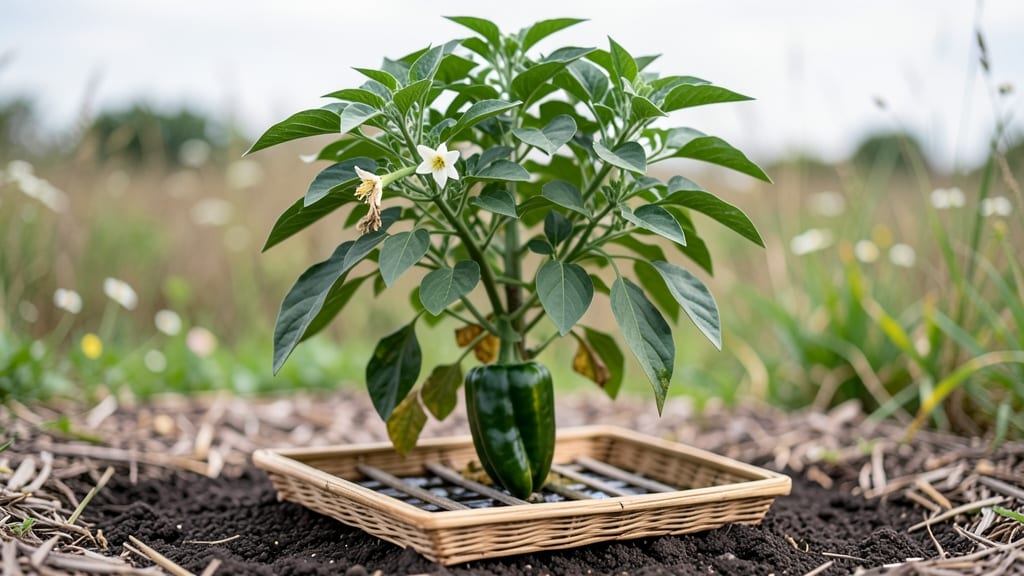
Poblano peppers are ready to pick when they reach 3 to 5 inches and their skin turns a deep, glossy green 🌶️ — but timing is everything for that perfect balance of heat and sweetness.
Picture this: you’ve nurtured your plants all spring, and now the moment of truth arrives. One wrong move, and you’re left with bitter peppers or wasted effort. The key is knowing the exact visual cues that signal peak ripeness, so you can harvest at the perfect stage.
In this guide, I’ll walk you through the 5 visual cues that tell you when poblano peppers are ready, from color and size to texture and stem readiness. You’ll also learn how to avoid common mistakes that ruin harvests and how to handle your peppers once they’re off the vine.
By the end, you’ll confidently spot the ideal poblano pepper every time — no more guessing, no more wasted plants. Let’s get started.

5 Key visual cues to identify perfectly ripe poblano peppers
Poblano peppers are one of my favorite garden staples because they deliver that perfect balance of earthy sweetness and mild heat. But timing your harvest is everything—pick too early, and you’ll end up with underdeveloped flavors and tough skins.
Wait too long, and the peppers turn bitter or even red, ruining their signature taste. The secret? Mastering these 5 visual cues that scream "harvest time!"
I’ve learned through years of gardening that poblano peppers don’t just ripen—they transform. Their color shifts from pale green to deep, glossy hues, while their size and texture become unmistakable.
Even the way they feel when touched changes dramatically. Let’s break down each clue so you can confidently grab your shears at the perfect moment.
🌱 Numbered Highlights: When Are Poblano Peppers Ready to Pick?
- 1. Size: 3-5 inches long and 1.5-2 inches wide. Underripe peppers stay smaller than 3 inches—these won’t have developed their full flavor yet. 📏
- 2. Color: Deep, glossy green (not pale or yellowing). Look for a slight purple tint near the stem—this signals peak ripeness. 🌿
- 3. Texture: Skin should be slightly firm but yielding when gently squeezed (like a ripe avocado). Avoid peppers that feel hard or mushy. ✋
- 4. Shape: Smooth, egg-shaped with a slight bulge. Overripe peppers develop wrinkles or soft spots. ⚖️
- 5. Stem Test: The stem should snap easily when bent (not tear). This means the pepper is fully mature and ready to harvest. ✂️
Let’s start with the most obvious clue: size. Poblano peppers are medium-sized compared to other chilis, typically reaching 3-5 inches in length when ripe. I always measure mine against my thumb—if it’s longer than my nail bed, it’s likely ready.
Smaller peppers (under 3 inches) are still developing their flavor compounds, so they’ll taste bland or even grassy if harvested too soon.
Next, pay attention to color. The most reliable sign is a deep, glossy green hue. Pale green peppers are underripe, while those turning yellow or red are overripe.
I’ve noticed that poblano peppers often develop a slight purple blush near the stem just before peak ripeness—a subtle but unmistakable hint that it’s time to pick. This color shift happens faster in hotter climates, so keep an eye on your plants if you’re in a warm USDA zone.
Texture is where many gardeners go wrong. A perfectly ripe poblano should feel firm but slightly yielding when you press it gently with your thumb. Think of it like a ripe peach—just enough give to know it’s ready.
If the skin feels hard and unyielding, the pepper needs more time. On the flip side, if it’s soft or wrinkled, it’s overripe and past its prime. I always test a few peppers from the same plant to compare textures.
The shape of the pepper also reveals its readiness. Ripe poblanos are smooth and egg-shaped, with a slight bulge at the base. Overripe peppers develop wrinkles or indentations, and their skin may feel leathery.
I’ve seen peppers that looked perfect one day and shrivel overnight—especially in dry heat. If you notice any of these signs, harvest immediately to salvage what flavor you can.
Finally, the stem test is my foolproof trick. When a poblano is ready, the stem will snap cleanly when you bend it gently. This happens because the pepper’s cell structure weakens as it matures, making separation effortless.
If the stem resists or tears, the pepper isn’t fully ripe yet. I always harvest in the morning when the stems are most pliable, making the process smoother.
One common mistake I see is waiting for poblanos to turn red. Unlike jalapeños or serranos, poblanos are best harvested green. If left on the plant, they’ll eventually turn red and become bitter—completely ruining their signature mild, smoky flavor.
The goal is to pick them at their peak green stage, which is when they’re most versatile for stuffing, roasting, or blending into sauces.
Pro tip: Harvest poblanos consistently every 2-3 days during peak season to encourage more production. I’ve found that plants rewarded with frequent picking often bounce back faster and produce a second flush of peppers. Plus, staying on top of harvests prevents overripe peppers from spoiling on the vine.
Store your freshly picked poblanos in a paper bag in the fridge for up to 2 weeks—or roast them immediately for the best flavor!
Poblano pepper ripening stages: from green to roasted perfection
Understanding the poblano pepper ripening stages transforms your harvest from guesswork to a precise, flavorful success. These peppers start as bright green pods and gradually develop into the deep, rich mature green stage perfect for roasting—each phase offering distinct flavors and textures.
Environmental factors like sunlight exposure and temperature fluctuations directly impact how quickly poblano peppers ripen. For example, 6-8 hours of full sun daily accelerates ripening, while cooler temperatures slow the process. Knowing these stages helps you time your harvest for the ideal balance of mild heat and sweetness.
When are poblano peppers ready to pick? The answer lies in their color, size, and firmness. Here’s a quick breakdown of what to look for at each stage:
The unripe stage (45-60 days after planting) is where poblano peppers are small and pale green. If harvested too early, they’ll taste harsh and underdeveloped.
Wait until they reach 3-5 inches and develop a glossy, deep green hue—this is your mature green stage (60-75 days), ideal for roasting or stuffing.
For roasted perfection, aim for peppers that are 4-6 inches long with a slightly purplish tint. These peppers will have a thicker skin and a softer texture, indicating peak flavor.
If left on the plant too long, they’ll turn red, becoming hotter and less sweet—a common mistake many gardeners make.
Temperature plays a crucial role: consistent warmth (70-85°F) speeds up ripening, while cool nights below 60°F can delay it. If your region experiences unpredictable weather, consider using row covers or greenhouses to maintain optimal conditions for faster maturation.
Once you’ve identified the perfect poblano, harvest it by twisting gently at the stem—this ensures the plant isn’t damaged.
Store unripe peppers in a cool, dark place to slow ripening, while ripe peppers can be kept in the fridge for up to 2 weeks or roasted immediately for the best flavor.