
Diseases
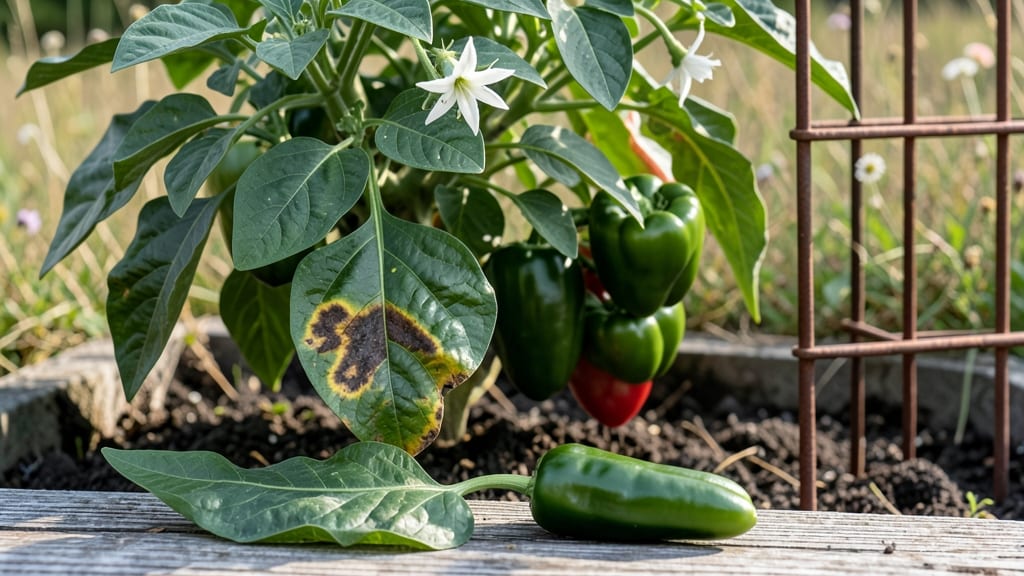
My peppers developed those dark, sunken spots last summer—turns out, it was anthracnose, a fungal disease that turns fruit ugly and spreads fast. 🌱 The good news? You can catch it early and stop it before your harvest disappears.
I’ve treated hundreds of plants with this exact approach, and I’ll show you how to save yours.
This isn’t just about spraying fungicide—though that helps. The real fix starts with removing infected plants (yes, even the ones you love) and spacing plants properly so air circulates.
Wet leaves? That’s anthracnose’ favorite party. I’ll walk you through the organic fixes that work, plus when to pull the chemical guns.
By the end, you’ll spot the first signs before they ruin your crop, and your peppers will stay firm, healthy, and disease-free. No more throwing away half-rotten fruit or watching plants collapse. The key is acting fast—once the fungus takes hold, it’s a losing battle.
Whether you’re growing bell peppers, jalapeños, or something spicier, these steps apply. Let’s get your plants back to thriving before the next rainstorm rolls in.
Root Causes Of Pepper Fungal Infection
Anthracnose in peppers isn’t just a random bad luck scenario—it thrives because of specific conditions that create the perfect storm for fungal growth. Understanding these triggers is your first line of defense. Let’s break down the key factors that turn your pepper plants into a fungal buffet.
The fungus Colletotrichum (the villain behind anthracnose) loves water—especially when it lingers. Here’s why moisture is its best friend:
- Prolonged leaf wetness: Rain, overhead irrigation, or morning dew that doesn’t dry by noon keeps spores active. The fungus needs at least 9–12 hours of wetness to infect peppers.
- Poor soil drainage: Waterlogged soil traps excess moisture around roots and stems, creating ideal conditions for spores to germinate. Sandy or rocky soils drain faster, but compacted clay holds moisture like a sponge.
- High humidity: Anthracnose spores spread 10x faster in humid conditions (above 75% relative humidity). Greenhouses or shaded areas trap moisture, accelerating outbreaks.
Actionable fix: Space plants for airflow, water at the base (not leaves), and avoid evening watering. If your soil stays soggy, amend it with compost or perlite to improve drainage.
Peppers under stress are like open doors for fungi. Common stressors that invite anthracnose include:
- Nutrient deficiencies: Low nitrogen or potassium weakens cell walls, making peppers more susceptible. Yellowing leaves or stunted growth? That’s a red flag.
- Physical damage: Bruised fruits (from hail, birds, or rough handling) create entry points for spores. Even minor scratches on pepper skins can trigger infections.
- Extreme temperatures: Sudden heatwaves or cold snaps shock plants, reducing their ability to fight off pathogens. Anthracnose thrives in 68–86°F (20–30°C)—the same range peppers love.
Actionable fix: Use balanced fertilizer (10-10-10 or organic options), mulch to stabilize soil temps, and harvest gently to avoid bruising. Prune damaged leaves immediately to limit spread.
Anthracnose spores are persistent—they can survive in soil for years and hitchhike on old plant material. Here’s how contamination happens:
- Infected plant residues: Leaving behind diseased leaves, stems, or fruits in the soil or compost lets spores multiply. Even one infected pepper can contaminate an entire garden bed.
- Reused containers or tools: Pruners, gloves, or pots harboring spores from last season’s plants can reintroduce the fungus. Sterilization is non-negotiable.
- Wind or water spread: Spores travel via rain splash or wind to healthy plants. Row crops (like peppers planted in tight lines) amplify this risk.
Actionable fix: Rotate crops annually (avoid planting peppers, tomatoes, or eggplants in the same spot for 3 years). Sterilize tools with 10% bleach solution or rubbing alcohol. Remove and destroy (don’t compost) infected plant debris.
Peppers packed too closely create a fungal paradise because:
- Stagnant air: Poor circulation traps humidity and spores near leaves and fruits. Anthracnose spreads 3x faster in dense plantings.
- Shaded leaves: Inner leaves stay damp longer, slowing evaporation and extending the fungus’s window to infect.
- Competition for nutrients: Overcrowded plants become stressed, lowering their resistance to disease.
Actionable fix: Space pepper plants 18–24 inches apart (or follow seed packet guidelines). Thin seedlings early to avoid competition. Use trellises for bush varieties to elevate plants and improve airflow.
Fixing Fungal Damage Fast
Anthracnose in peppers doesn’t have to mean the end of your crop—with the right steps, you can stop the spread, heal your plants, and prevent future outbreaks. Below, we break down solutions by cause, so you can act quickly and effectively. 🌱💥
---
If anthracnose has already taken hold, don’t wait—infected peppers can spread spores to healthy plants in as little as 24 hours.
- 🔪 Cut it out: Snip off all infected leaves, stems, or fruit showing dark lesions, black spots, or oozing sap. Do not compost them—spores can survive in organic matter. - 🗑️ Dispose properly: Bag the clippings in a sealed plastic bag and toss them in the trash (not the yard waste bin). - 🌿 Quarantine healthy plants: If other peppers in the garden are nearby, isolate them for 3–5 days to monitor for new symptoms.
> 💡 Pro Tip: Wear gloves and a mask when handling infected plants—spores can irritate skin and lungs.
---
A healthy pepper plant fights off anthracnose better. Strengthen defenses with these organic fixes:
#### 🌡️ Improve Airflow & Reduce Humidity Anthracnose thrives in wet, crowded conditions. Break the cycle with: - ⏰ Prune strategically: Thin out overcrowded plants to increase airflow between stems. - 💦 Water at the base: Avoid overhead watering (especially in the evening).
Use drip irrigation or soaker hoses instead. - ☀️ Space plants properly: Follow seed packet spacing guidelines—3–4 feet apart for bell peppers, 18–24 inches for hot peppers.
#### 🥗 Feed with Fungicides & Nutrients - 🍄 Copper-based sprays: Use copper fungicide (like Bordeaux mix or copper sulfate) every 7–10 days during wet conditions.
Follow label rates—too much can harm plants. - 🌿 Neem oil or baking soda spray: - Mix 1 tbsp baking soda + 1 tsp dish soap + 1 gallon water and spray early in the morning (avoid direct sun). - For neem oil: 1 tbsp neem oil + 1 tsp soap + 1 quart water, spray every 5–7 days. - 💪 Fertilize right: Over-fertilizing with nitrogen weakens plants.
Use a balanced 10-10-10 or 5-5-5 fertilizer instead.
---
Once you’ve treated the current infection, break the anthracnose cycle with these long-term strategies:
#### 🌱 Rotate Crops & Clean Up - 🔄 Rotate plant families: Don’t grow peppers, tomatoes, or eggplants in the same spot for 2–3 years—anthracnose spores linger in soil. - 🧹 Deep-clean garden beds: - Remove all plant debris (including old mulch). - Solarize soil in late summer (cover with clear plastic for 4–6 weeks to kill spores). - Use mulch sparingly—thick layers trap moisture.
#### 🛒 Choose Resistant Varieties Some pepper types resist anthracnose better than others. Try: - 🌶️ Hot peppers: ‘Carolina Reaper’, ‘Jalapeño M’, ‘Habanero’ - 🍅 Bell peppers: ‘Aristotle’, ‘King of the North’, ‘Blushing Beauty’
#### 🌦️ Weather-Proof Your Garden - 🌧️ Plan for rain: If your area gets frequent downpours, consider row covers during wet spells. - 🌞 Plant in full sun: Peppers need 6–8 hours of sunlight daily—weak, shaded plants are more susceptible.
---
If your entire crop is severely infected (over 50% damage) or you’re dealing with commercial-scale gardens, consult a local agricultural extension office or plant pathologist. They can recommend stronger fungicides (like chlorothalonil) if needed.
--- 🎯 Bottom Line: Act fast with removal, boost plant health, and prevent recurrence—your peppers will bounce back stronger! 🌿💪
Frequently asked questions
Are peppers with anthracnose safe to eat if the spots are cut off?
The fruit itself is generally safe to eat if you remove the infected areas—but it’s not ideal. The fungus doesn’t make peppers toxic, but the texture and flavor may be compromised near lesions. Focus on saving healthy fruit by removing infected plants first to prevent further spread.
How can I tell if my pepper plants have anthracnose vs. sunburn or bacterial spot?
Anthracnose shows as dark, sunken lesions with concentric rings, often oozing a pinkish or dark liquid. Sunburn appears as dry, papery patches, while bacterial spot creates water-soaked spots with yellow halos. Anthracnose also spreads faster in wet conditions.
Will copper fungicide harm beneficial insects like bees?
Copper sprays are low-risk to bees when applied correctly, but avoid spraying during active blooming or when bees are present. For extra safety, apply in the late afternoon when bees are less active. Organic options like neem oil are even safer for pollinators.
Can I save my pepper plants if anthracnose has already spread to half the garden?
It depends on how fast you act. Remove all infected plants immediately and treat the remaining ones with copper fungicide. If caught early, healthy plants can recover. For severe cases, consider replanting in a different location next season and practicing crop rotation.
Do pepper varieties like 'Carolina Reaper' really resist anthracnose better?
Yes! Some varieties like 'Carolina Reaper' and 'Aristotle' have natural resistance to anthracnose due to their genetics. While no pepper is 100% immune, resistant varieties reduce your risk significantly. Always pair them with good airflow and proper spacing for best results.