
Blooming
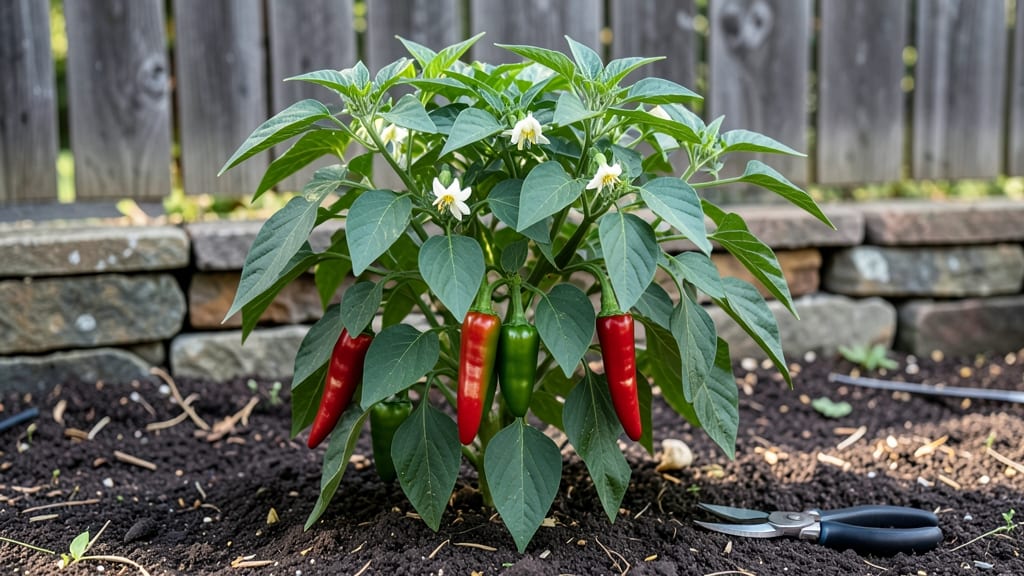
Growing Italian long sweet peppers delivers the kind of sun-ripened sweetness that transforms any dish. 🌿 These slender, vibrant peppers pack a mild, fruity flavor perfect for fresh eating or sun-drying, and they mature in just 70 days—faster than many other varieties.
The secret lies in warm soil, consistent moisture, and a spot where they can soak up at least 6-8 hours of sunlight daily, without the harsh afternoon heat that can turn peppers bitter.
Start with well-draining soil rich in organic matter—think composted leaves or aged manure—and plant seeds indoors 8-10 weeks before your last frost. Transplant seedlings only after nighttime temperatures stay above 55°F, as cold snaps stunt growth.
Space plants 18-24 inches apart to allow airflow, which is key to preventing fungal diseases like powdery mildew, a common threat to peppers in humid climates.
What you’ll end up with is a bountiful harvest of peppers that grow 12-18 inches long, their glossy skins deepening from green to red or yellow as they ripen.
The flavor intensifies with sun exposure, so leave them on the vine as long as possible—even after they turn color, they’ll keep sweetening. Harvest with a sharp knife or pruners, cutting just above a leaf node to encourage more growth.
These peppers thrive in containers too, making them ideal for balconies or small gardens. Just ensure pots are at least 12 inches deep and use a balanced organic fertilizer every 3-4 weeks to keep plants vigorous.
With the right care, you’ll have peppers ready for fresh salads, roasting, or drying by midsummer—no greenhouse or fancy equipment required.
📚 In This Guide
- What you need
- Instructions
- Tips and common mistakes
- Wrapping up and next steps
What you need
- ● Italian long sweet peppers – 1 lb (450g) (fresh, firm, and unblemished)
- ● Kosher salt – 1 tbsp (for curing)
- ● White vinegar – 1 cup (240ml) (for soaking)
- ● Distilled water – 1 cup (240ml) (for soaking solution)
- ● Food-grade dehydrator sheets – 2-3 sheets (or a wire cooling rack)
- ● Baking sheets – 2-3 (for oven-drying, if preferred)
- ● Cheesecloth or paper towels – 1 roll (for drying)
- ● Glass jars or airtight containers – 1-2 (for storage)
- ● Sharp chef’s knife (for slicing peppers)
- ● Cutting board (preferably wood or plastic)
- ● Dehydrator (or oven set to 135°F (57°C))
- ● Fine-mesh strainer (for rinsing)
- ● Measuring cups/spoons (for precision)
- ○ Food scale (optional, for accuracy)
- ○ Humidity monitor (optional, for dehydrator control)
- ● Herbs – 1 tsp dried oregano/thyme (for infusion)
- ● Garlic powder – ½ tsp (for depth)
- ● Olive oil – 2 tbsp (for post-drying coating)
- ● Wooden pepper storage box (for rustic presentation)
Step-by-Step guide to growing Italian long sweet peppers
Here’s how I grow sweet, sun-ripened Italian long peppers—ready for drying or fresh eating in just 70 days.
🌱 Step 1: Start Seeds Indoors 8-10 Weeks Before Last Frost
Fill 2-3 inch deep seed-starting trays with sterile seed-starting mix—never garden soil, which can harbor diseases. I press the mix down lightly to remove air pockets, then moisten it until it feels like a damp sponge. Plant 2-3 seeds per cell at a depth of ¼ inch, just below the seed’s widest point. Cover them with a fine layer of mix, then mist gently with water until the surface is evenly damp.
Place the tray under a grow light or in a warm spot with 75-85°F soil temperatures. I use a seedling heat mat to speed germination, which typically takes 7-14 days. Once sprouts appear, remove the heat mat and keep the light 2-4 inches above the seedlings to prevent legginess. You’ll know they’re strong when they develop their first true leaves—those are the tiny, serrated leaves that come after the initial seed leaves.
☀️ Step 2: Harden Off and Transplant After All Frost Risk Passes
Two weeks before your last frost date, start hardening off seedlings by placing them outside in a sheltered spot for 1-2 hours the first day. Gradually increase their outdoor time by 1 hour daily, moving them to sunnier locations each session. This toughens their cell walls so they won’t wilt when transplanted. By day 10, they should handle a full day outside without wilting.
Choose a sunny spot in your garden that gets 6-8 hours of direct sun daily. Italian long peppers thrive in well-draining soil with a pH between 6.0 and 7.0. Dig a hole twice as wide as the root ball and place the seedling in, burying it to the same depth it was in its pot. Space plants 18-24 inches apart in rows 2 feet apart to allow for airflow and prevent disease.
💧 Step 3: Water Deeply and Mulch to Retain Moisture
Water deeply right after transplanting to help roots establish. Italian long peppers are drought-tolerant once established, but they need consistent moisture during their first 2-3 weeks in the ground. I water at the base of the plant in the morning, avoiding the leaves to prevent fungal diseases. You’ll know the soil is moist enough when the top 1-2 inches feel damp but not soggy.
Apply a 2-inch layer of organic mulch around each plant, keeping it 2 inches away from the stem to prevent rot. Mulch retains moisture, regulates soil temperature, and suppresses weeds. I use straw or shredded leaves, which break down slowly and add nutrients to the soil as they decompose. Avoid synthetic mulches—they can overheat the soil and stress the plants.
✂️ Step 4: Prune and Support for Maximum Yield
When plants reach 12-18 inches tall, pinch off the tips of the main stems to encourage bushier growth. This redirects energy to producing more side branches, each of which will bear fruit. I also remove any suckers—those small shoots that grow in the leaf axils—unless you’re growing a bush variety, as they can divert energy from fruit production.
As peppers grow, they may need support, especially in windy areas. Install 4-5 foot tall stakes or a tomato cage near each plant when they’re about 6 inches tall. Gently tie the main stem to the stake with soft plant ties as it grows. This prevents the plant from flopping over and makes harvesting easier. You’ll know it’s working when the peppers hang freely instead of dragging on the ground.
🌿 Step 5: Harvest at Peak Ripeness for Best Flavor
Italian long peppers are ready to harvest when they reach 8-12 inches long and turn a deep, glossy green or red, depending on the variety. I harvest in the morning when the peppers are firm and crisp. Use pruning shears or a sharp knife to cut the peppers from the plant, leaving a small stem attached. This prevents damage to the plant and encourages more fruit to develop.
For sun-drying, harvest peppers when they’re fully mature but still firm. String them up in a dry, shaded area with good airflow or lay them on a screen in direct sunlight. They’re ready to dry when the flesh is leathery and the seeds rattle inside. Store dried peppers in an airtight container in a cool, dark place for up to 6 months. If you’re using them fresh, enjoy them within 1-2 weeks of harvest for the best flavor and texture.
Tips & tricks for growing Italian long sweet peppers
Here's what nobody tells you about growing these sweet, sun-ripened peppers that'll make all the difference in your harvest.
Seed Starting: The 75-85°F soil temperature range for germination is critical—too cold and seeds won't sprout, too hot and they'll rot. I use a seedling heat mat set to 80°F for consistent results. When planting 2-3 seeds per cell, thin to the strongest seedling after germination to prevent overcrowding.
Transplanting Strategy: In Step 2, when hardening off seedlings, I gradually move them to sunnier spots each day rather than just increasing time. This mimics natural sunlight progression and prevents shock. Watch for leaves that remain upright after a full day outside—this means they're ready for permanent planting.
Support System: Don't wait until plants are 12-18 inches tall to install stakes! Set up 4-5 foot tall stakes when plants reach 6 inches to prevent root disturbance later. I use bamboo stakes because they're lightweight and biodegradable, plus they blend into the garden naturally.
Harvesting Insight: For sun-drying, harvest peppers when they're 8-12 inches long but still firm—this ensures they'll dry properly without becoming mushy. I cut them with a clean knife just above the stem attachment point, leaving a small nub. This prevents the plant from splitting and encourages more fruit to develop.
Pro Tips for Italian Long Sweet Pepper
- Here's what nobody tells you about growing these sweet, sun-ripened peppers that'll make all the difference in your harvest.
- Seed Starting: The 75-85°F soil temperature range for germination is critical—too cold and seeds won't sprout, too hot and they'll rot.
- Transplanting Strategy: In Step 2, when hardening off seedlings, I gradually move them to sunnier spots each day rather than just increasing time.
Frequently asked questions
Got questions about growing and using Italian long sweet peppers? You’re not alone! Here are some of the most common queries—and their answers—to help you master this sun-kissed gem.
How long does it take for Italian long sweet peppers to mature?
Italian long sweet peppers typically take 70–90 days from transplant to harvest, depending on your climate. In warmer regions, they may ripen faster (closer to 70 days), while cooler areas could extend the timeline. Pro tip: Start seeds indoors 8–10 weeks before the last frost for an early harvest!
Can I substitute Italian long sweet peppers in recipes?
They’re sweeter and milder than bell peppers, making them a great swap in stir-fries, salads, or grilled dishes. For a tangier kick, use banana peppers or jalapeños, but reduce the quantity by half. Pro tip: Their elongated shape works beautifully in skewers or stuffed pepper recipes!
Why are my Italian long sweet peppers turning bitter?
Bitterness often signals overmaturity or stress. Harvest peppers when they’re firm, glossy, and 6–12 inches long. Avoid waterlogging or extreme heat, which can trigger bitterness. Pro tip: Pick them in the morning for the best flavor—this is when their natural sweetness peaks!
Do Italian long sweet peppers need special care compared to bell peppers?
Not much! They thrive in full sun (6–8 hours/day) and well-draining soil, just like bell peppers. However, they’re more sensitive to cold—protect seedlings with row covers if frost threatens. Pro tip: Prune excess leaves to improve airflow and prevent disease.
How should I store Italian long sweet peppers for freshness?
Store them unwashed in the fridge for up to 2 weeks. For longer storage, blanch and freeze them (whole or sliced) or dehydrate for sun-dried peppers. Pro tip: Keep stems intact—they help retain moisture!
Wrapping up and next steps
From sun-ripened harvests to bold, caramelized flavors, Italian long sweet peppers are a true gem in the kitchen—packed with versatility and health benefits! Whether you’re drying them for crunchy snacks, zesty toppings, or homemade pasta seasoning, this 70-day journey is worth every moment of patience. 🌿✨
Ready to dive in? Grab your peppers, gather your tools, and start your flavor adventure today! Share your creations with us—we’d love to see how you transform this sweet, sun-kissed treasure. 📸💬