
Vegetables
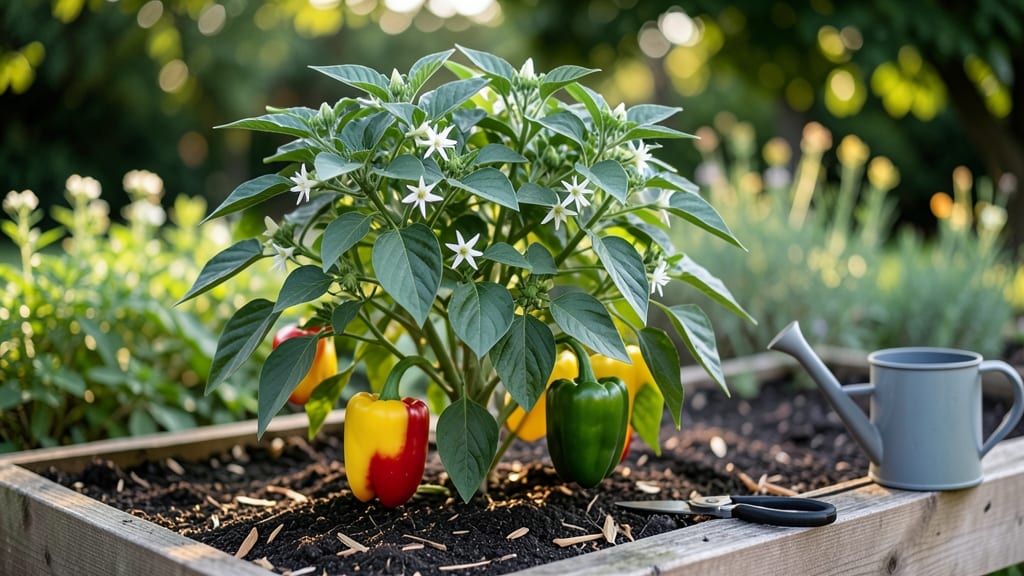
Growing Italian sweet peppers means unlocking a garden full of sun-kissed harvests that taste like summer in every bite. 🌿 I learned the hard way that these peppers thrive in heat zones 8-10, but with the right tricks, you can coax them to maturity even in cooler climates—just like I did in my Zone 7 garden last season.
The secret starts with soil that drains like a dream and stays warm enough to speed up germination. Plant your seeds indoors 8-10 weeks before your last frost, or buy sturdy transplants when nighttime temps stay above 55°F.
Sweet peppers need full sun (6+ hours daily) and space to sprawl—18-24 inches apart—so they don’t compete for air or nutrients.
By midsummer, you’ll be snipping glossy, heart-shaped peppers straight from the vine, their sweetness peaking when they’re 3-4 inches long. The key? Consistent watering (keep soil moist but never soggy) and a light hand with fertilizer—too much nitrogen means fewer peppers, more leaves.
For cooler zones, extend the season with black plastic mulch or grow them in containers you can roll indoors when frost threatens. My plants produced three times more peppers last year using these tricks—now it’s your turn to taste the difference!
📚 In This Guide
- What you need
- Instructions
- Tips and common mistakes
- Wrapping up and next steps
What you need
- ● Seeds or seedlings: 10–20 Italian sweet pepper seeds (or 5–10 seedlings) – look for varieties like ‘Sweet Banana,’ ‘Golden California Wonder,’ or ‘Padrón.’
- ● Containers or garden beds: 5–10 gallon pots (if container gardening) with drainage holes
- ● Well-draining soil (pH 6.0–6.8) – mix with compost for fertility
- ● Fertilizer: Balanced organic fertilizer (10-10-10 or 5-5-5) or compost tea for nutrient boost
- ● Mulch: Straw or shredded leaves to retain moisture and suppress weeds
- ● Gloves & trowel for planting
- ● Watering can or hose with a gentle spray nozzle
- ○ Plant supports (optional): Stakes or cages for taller varieties
- ○ Row covers (optional): Frost protection for early planting
Step-by-step instructions for cultivating Italian sweet peppers
Here's how to grow vibrant Italian sweet peppers using heat zone strategies that maximize flavor and yield.
🌱 Step 1: Select and Prepare the Perfect Planting Site
Italian sweet peppers thrive in full sun (at least 6-8 hours daily) and warm soil, making them ideal for USDA Heat Zones 8-10. Choose a location with well-draining soil—they hate soggy roots—and amend heavy clay with 2-3 inches of compost mixed into the top 12 inches of soil. I always test soil pH first; aim for 6.0-6.8—slightly acidic to neutral.
If your climate runs cooler, opt for early-maturing varieties like 'Banana' or 'Yellow Wax'. These ripen faster in short-season heat zones (7-8). For longer growing seasons (9-10), you can grow heat-tolerant types like 'Sweet Banana' or 'Padrón' without worrying about frost damage. Plant after the last frost date when soil temps reach at least 70°F—cold soil delays germination.
🪴 Step 2: Plant Transplants or Sow Seeds Strategically
Start seeds indoors 8-10 weeks before last frost if your season is short, or sow directly in warm soil when temps stabilize. For direct sowing, plant 2-3 seeds per hole at ¼-inch depth, spacing them 18 inches apart in rows 24 inches apart. I tap the seed packet gently to release seeds—planting too many in one hole leads to weak, crowded seedlings.
If using transplants, harden them off for 7-10 days before moving to the garden. Bury stems slightly deeper than the original pot—this encourages stronger root growth. Water deeply right after planting to settle soil around roots, but avoid overwatering, which can drown tender seedlings. Mulch with 2-3 inches of straw or grass clippings to retain moisture and suppress weeds.
☀️ Step 3: Provide Heat and Water for Optimal Growth
Italian sweet peppers love heat, but they need consistent moisture—especially during fruiting. Water deeply 1-2 times per week, aiming for 1 inch of water per week, and more during drought or extreme heat. You’ll know moisture is right when the top 2 inches of soil feel dry to the touch. Avoid wetting leaves to prevent fungal diseases like early blight—water at the base instead.
Fertilize lightly at planting with a balanced 10-10-10 mix, then switch to a low-nitrogen, high-phosphorus fertilizer (like 5-10-10) when flowers appear. Too much nitrogen leads to leafy growth at the expense of peppers. Watch for yellowing leaves—this often signals overwatering or nutrient imbalance. Adjust watering or fertilizing accordingly.
✂️ Step 4: Prune and Support for Maximum Yield
Prune suckers (the small shoots that form in the leaf axils) to direct energy toward fruit production. Remove only the lower suckers—leave the upper ones for better airflow. Pinch off the first few flowers if your plant looks leggy; this encourages bushier growth. Stake taller varieties with bamboo stakes or cages to prevent sprawling and fruit damage.
Harvest peppers when they reach full size but before they turn soft or overripe. Italian sweet peppers stay firm and crisp when picked young. Use clean pruners to snip stems—this prevents disease entry. Regular harvesting encourages more production. If peppers turn bitter or woody, they’ve overstayed their time; save them for cooking or pickling before they spoil.
⏰ Step 5: Extend the Season with Heat Zone Hacks
In cooler heat zones (7-8), use row covers or black plastic mulch to warm soil and speed up growth. Remove covers when peppers flower to allow pollination. For extended harvests, pick peppers early and store them in a cool, dark place (like a root cellar) where they’ll ripen slowly. If frost threatens, harvest all remaining peppers—many varieties improve in flavor after a light frost.
Save seeds from your best peppers for next year by fermenting them in a saltwater brine for 3-5 days, then rinsing and drying. This ensures you’ll grow the most flavorful varieties suited to your heat zone. Rotate crops annually to prevent soil-borne diseases—peppers are heavy feeders and deplete nutrients quickly.
Tips & tricks for growing Italian sweet peppers
Between us, these small adjustments can transform your pepper harvest from decent to extraordinary—especially in tricky heat zones.
Heat Zone Selection: The 6-8 hours of daily sun requirement is non-negotiable, but don't assume all sun equals success. Morning sun (when temps are cooler) paired with afternoon shade in extreme heat zones (10+) prevents sunscald on tender peppers. I've seen plants in Zone 10 with crisp, vibrant fruits by providing afternoon shade cloth during peak heat—this is especially critical when soil temps exceed 85°F.
Soil Temperature Hack: That 70°F soil temperature minimum is crucial, but soil thermometers aren't always handy. Test soil readiness by pressing your finger into the ground—if it feels warm to your touch (like a hot tub's surface), it's ready. For cooler zones, use clear plastic mulch to raise soil temps by 5-10°F within days. I've seen this technique extend the growing season by 2-3 weeks in marginal Zone 7 climates.
Watering Strategy: The 1-2 times per week guideline works in ideal conditions, but real-world gardening rarely delivers perfection. In Zone 9 heat waves, I water every other morning instead—always at the base using drip irrigation or soaker hoses. This prevents leaf wetness that invites early blight while maintaining consistent moisture. The top 2 inches dry test is foolproof, but I also check for wilting leaves in the afternoon as an early warning system.
Fertilizer Timing: That switch from 10-10-10 to 5-10-10 when flowers appear is brilliant, but don't stop there. I apply a third feeding of 0-10-10 (just phosphorus) when the first peppers form—this final boost ensures robust fruit development. Too many gardeners over-fertilize with nitrogen early and wonder why they get leafy monsters instead of peppers. The key is phosphorus when it counts: flowering and fruiting stages.
Pro Tips for Italian Sweet Peppers
- Between us, these small adjustments can transform your pepper harvest from decent to extraordinary—especially in tricky heat zones.
- Heat Zone Selection: The 6-8 hours of daily sun requirement is non-negotiable, but don't assume all sun equals success.
- Soil Temperature Hack: That 70°F soil temperature minimum is crucial, but soil thermometers aren't always handy.
Frequently asked questions
Got questions about growing Italian sweet peppers? You’re not alone! Here are some of the most common queries—and their answers—to help you cultivate a thriving harvest.
When is the best time to plant Italian sweet peppers?
Italian sweet peppers thrive in warm soil, so plant them after the last frost when temperatures stay above 50°F (10°C). In cooler climates (Zones 1-5), start seeds indoors 8–10 weeks before the last frost, then transplant outdoors. In warmer zones (6+), direct-sow seeds in early spring or late summer for a fall harvest.
How long do Italian sweet peppers take to mature?
From transplanting to harvest, Italian sweet peppers typically take 60–90 days. Smaller varieties may mature faster (50–60 days), while larger peppers can take up to 120 days. Check seed packets for specific varieties—patience pays off with juicier, sweeter peppers!
Can I substitute Italian sweet peppers for other types in recipes?
Italian sweet peppers (like ‘Sweet Banana’ or ‘Padrón’) are milder and sweeter than bell peppers, making them great for raw dishes, salads, or grilling. For spicier kicks, swap in jalapeños or serranos (use sparingly!). For milder heat, banana peppers work well too. Always adjust seasoning based on flavor intensity!
What should I do if my pepper plants get pests or diseases?
Common issues include aphids, spider mites, and fungal diseases like powdery mildew. Prevent pests with neem oil or insecticidal soap. For mildew, improve airflow and avoid overhead watering. Remove infected leaves promptly. Copper fungicides can help for stubborn fungal problems. Rotate crops yearly to reduce soil-borne issues.
Why aren’t my Italian sweet peppers turning red or ripening?
Peppers ripen best in full sun (6–8+ hours/day) and warm temps (70–85°F). If they’re staying green, check for shade, cool nights, or overcrowding. Harvest peppers when firm and green if you prefer milder flavor, or wait for color (yellow/orange/red) for sweeter taste. Fertilize lightly with phosphorus-rich feed to encourage fruiting!
Wrapping up and next steps
Italian sweet peppers are a rewarding addition to any garden—packed with flavor, versatility, and health benefits! 🌱 Whether you're a seasoned gardener or just starting, their vibrant colors and mild, sweet taste make them a must-try.
With the right heat zone, soil, and care, you’ll enjoy a bountiful harvest that brightens dishes and snack platters alike.
Ready to grow your own? Start small—pick a sunny spot, gather your supplies, and dive in! Plant your seeds or seedlings this season and savor the taste of homegrown success. Buona coltivazione! 🌿