
Size
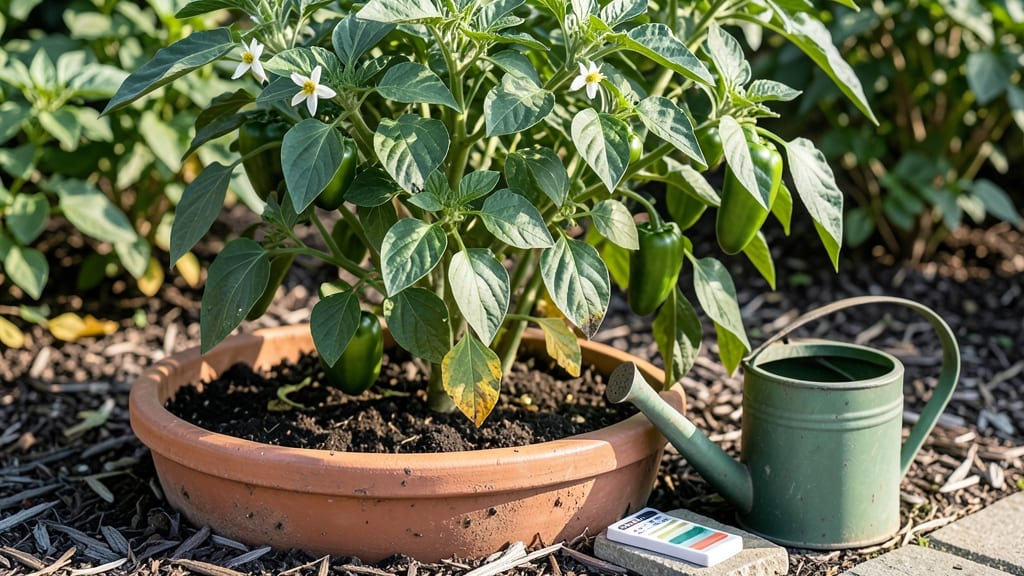
Why won’t my pepper plants grow? They’re silently signaling trouble—here’s what you’re likely overlooking to save them. 🌱 The most common reasons they stall (or worse, die) are simple fixes most gardeners miss, like light deprivation, soil that’s too heavy, or watering that’s either drowning or starving them.
I’ve nursed back dozens of leggy, yellowing peppers using just these tricks, and you can too.
Start with the basics: peppers need 6+ hours of direct sun daily, soil that drains like a sandy loam (not clay), and water only when the top inch feels dry. Overwatering is the silent killer—roots need air as much as moisture.
Even a single mistake here can stall growth for weeks, but the good news? Reversing it takes just a few adjustments.
By the end, you’ll spot the exact problem in your garden (or containers) and see new growth within 7-10 days—if not sooner. The before/after difference is shocking: from wilted stems to bushy plants covered in blooms. And the best part? These fixes work for both indoor and outdoor setups.
No green thumb required—just a willingness to check what’s really happening in your pots. Let’s turn those sad seedlings into pepper powerhouses before the season slips away.
Hidden Reasons Your Peppers Aren’t Thriving
Pepper plants are resilient, but even the hardiest varieties can stall—or worse, wither—if key conditions aren’t met. Let’s break down the real culprits behind your plants’ growth struggles, from soil secrets to sneaky pests, with science-backed explanations and actionable fixes.
---
Healthy peppers need nutrient-rich, well-draining soil with a pH between 6.0 and 7.0. If your soil is compacted, depleted, or too acidic/alkaline, roots suffocate or can’t absorb essential nutrients like nitrogen (for leafy growth) or phosphorus (for root development).
Why it happens: - Overworked soil depletes organic matter, leaving peppers starving for micronutrients like magnesium or calcium. - Clay-heavy soil holds too much water, suffocating roots and inviting fungal diseases (like Phytophthora). - Sandy soil drains too quickly, washing away nutrients before plants can use them.
💡 Pro Tip: Test your soil’s pH and nutrients with a $10 kit from a garden center. Amend with compost (for organic matter), perlite (for drainage), or lime (to raise pH) if needed.
---
Peppers (Capsicum spp.) are heat-loving tropical plants—they thrive in 70–90°F (21–32°C) daytime temps and 60°F (15°C) minimum nights. Below 50°F (10°C), growth stops entirely, and flowers may drop.
Why it happens: - Cold snaps disrupt photosynthesis, causing yellowing leaves (chlorosis) and stunted stems. - Insufficient light (especially <6 hours of direct sunlight/day) weakens plants, leading to leggy, pale stems and few flowers. - Overheating (above 95°F/35°C) causes blossom end rot (calcium deficiency) or sunscald on fruits.
🌡️ Fix It: - Use row covers for early/late seasons or move pots to sheltered spots. - Reflective mulch (like aluminum foil) bounces light to undersides of leaves. - Grow lights (12–16 hrs/day) save indoor peppers in winter.
---
Peppers hate wet feet but also wilting stress. Irregular watering leads to: - Overwatering → Root rot (Pythium or Fusarium) from soggy soil. - Underwatering → Transpiration stress, causing leaves to curl and drop flowers/fruit.
Why it happens: - Inconsistent moisture triggers osmotic shock, where roots struggle to absorb water. - Hard water (high in calcium/magnesium) can clog soil pores, reducing oxygen to roots. - Poor drainage in containers or heavy clay soil traps excess water.
🔥 Action Steps: - Water deeply 1–2x/week (1–1.5 inches total), early in the day to prevent fungal growth. - Use drip irrigation or soaker hoses to deliver water at soil level. - Aerate clay soil with gypsum or vermiculite to improve drainage.
---
Hidden invaders sap nutrients or block sunlight, stalling growth.
Common offenders: - Aphids/Spider Mites – Suck sap, causing yellowing, curled leaves and stunted stems. - Root Knot Nematodes – Microscopic worms that gall roots, reducing water/nutrient uptake. - Powdery Mildew – Fungal film on leaves blocks photosynthesis, turning leaves gray and brittle.
Why it happens: - Stressed plants (from poor soil/water) attract pests. - Humid climates (above 75% humidity) encourage fungal spread. - Overcrowded plants trap moisture, inviting disease.
🛡️ Defense Plan: - Neem oil spray (weekly) deters pests naturally. - Copper fungicide prevents mildew; row covers block pests early. - Crop rotation (avoid planting peppers in the same spot yearly) starves soil-borne nematodes.
--- Peppers need balanced nutrients (NPK: 10-10-10 or 5-10-10), but excess nitrogen (from manure or synthetic fertilizers) promotes leafy growth at the expense of flowers/fruit.
Why it happens: - High nitrogen delays flowering, as plants prioritize foliage over reproduction. - Salt buildup from fertilizers (like synthetic blends) burns roots, halting growth. - Phosphorus/potassium deficiencies (from over-fertilizing with nitrogen) cause weak stems and poor fruit set.
🎯 Balance Act: - Side-dress with compost or banana peels (high in potassium) at flowering stage. - Flush soil with water after fertilizing to prevent salt buildup. - Use slow-release fertilizers (like osmocote) for steady nutrient delivery.
--- Peppers need 1–2 gallons of soil per plant (minimum 12-inch-deep pots). Cramped roots: - Compete for nutrients/water, leading to small, weak plants. - Overheat in plastic pots, causing root burn. - Circle roots (roots growing in a tight spiral) strangle themselves, halting growth.
Why it happens: - Small pots restrict root expansion, triggering nutrient deficiency symptoms (yellow leaves, stunted growth). - No drainage holes cause root rot from waterlogging.
🔄 Upgrade Your Planters: - Repot into 5-gallon containers if using pots. - Use fabric grow bags for better aeration and root health. - Add worm castings to loosen soil and encourage root spread.
Quick Fixes for Stalled Pepper Growth
Now that you’ve pinpointed the issue, let’s turn things around with actionable solutions tailored to each problem. Whether your peppers are wilting, stunted, or just refusing to thrive, these fixes are designed to be simple, effective, and easy to implement—no green thumb required!
---
If your peppers are struggling because of compacted, nutrient-poor soil or a lack of essential minerals, here’s how to revive them:
#### 🔥 Step 1: Test Your Soil Before adding anything, grab a soil test kit (or send a sample to your local extension office) to check pH and nutrient levels. Peppers prefer 6.0–6.8 pH and thrive with balanced nitrogen (N), phosphorus (P), and potassium (K).
#### 🍳 Step 2: Amend the Soil - For compacted soil: Mix in compost, coconut coir, or perlite to improve drainage and aeration.
Aim for 2–3 inches of organic matter worked into the top 12 inches of soil. - For nutrient deficiencies: - Nitrogen (yellow leaves): Add aged manure, fish emulsion, or a balanced 10-10-10 fertilizer. - Phosphorus (slow growth): Use bone meal or rock phosphate for root development. - Potassium (weak stems): Try wood ash or a potassium-rich fertilizer like 0-0-50.
#### 👨🍳 Step 3: Feed Regularly Peppers are heavy feeders, especially when fruiting. Apply a liquid fertilizer (like seaweed extract or tomato/vegetable food) every 2–3 weeks during the growing season.
#### 💡 Prevention Tip: ✨ Mulch well (straw or grass clippings) to retain moisture and slowly release nutrients. Avoid fresh manure—it can burn roots!
---
Peppers hate soggy feet but also wilt when thirsty. Here’s how to strike the right balance:
#### 🌡️ Step 1: Check Moisture Levels Stick your finger 1–2 inches into the soil. If it’s dry, water deeply. If it’s muddy, hold off!
#### 🔥 Step 2: Adjust Your Watering Routine - Underwatering: Water deeply 1–2 times per week (more in extreme heat). Use drip irrigation or soaker hoses to deliver water at the roots. - Overwatering: Let the top 1–2 inches dry out between waterings.
Improve drainage by adding sand or gravel to heavy clay soil.
#### 🎯 Step 3: Improve Drainage - Containers? Ensure pots have drainage holes and use a well-draining mix (50% potting soil, 30% perlite, 20% compost). - Garden beds? Raise beds slightly or plant on a mound to prevent water pooling.
#### 💡 Prevention Tip: 🌡️ Water in the morning to reduce evaporation and fungal risks. Avoid wetting leaves to prevent disease.
---
Peppers need full sun (6–8+ hours daily) and warmth (70–85°F). If they’re leggy, weak, or dropping flowers/fruit, light or temperature is likely the culprit.
#### 🔥 Step 1: Optimize Sun Exposure - Too little light? Move pots to a sunnier spot or supplement with a grow light (12–16 hours/day). - Too much heat? Provide afternoon shade (especially in desert climates) with a lightweight shade cloth (30–50%).
#### 🍳 Step 2: Regulate Temperature - Cold stress? Use row covers, cold frames, or black plastic mulch to warm soil. - Heat stress? Mulch with straw or grass clippings to keep roots cool. - Frost risk? Bring potted peppers indoors or use frost blankets at night.
#### 👨🍳 Step 3: Harden Off Seedlings If you’re transplanting young plants, acclimate them gradually to outdoor conditions over 7–10 days to avoid shock.
#### 💡 Prevention Tip: ✨ Plant at the right time—wait until soil temps are 60°F+ and night temps stay above 50°F.
---
Aphids, spider mites, and fungal issues (like powdery mildew) can drain your plants’ energy. Act fast with these organic fixes:
#### 🔪 Step 1: Identify the Problem - Bugs? Check for holes, sticky residue (aphids), or webbing (spider mites). - Fungus? Look for white powder (mildew), black spots (bacterial), or mold.
#### 🌿 Step 2: Treat Naturally - Pests: - Spray with neem oil (1 tbsp + 1 tsp mild soap per quart of water). - Introduce beneficial insects (ladybugs for aphids, predatory mites for spider mites). - Blast off soft-bodied bugs with a strong stream of water. - Diseases: - Prune infected leaves and dispose of them far from the garden. - Apply copper fungicide or baking soda spray (1 tsp baking soda + 1 quart water + a drop of soap).
#### ⏰ Step 3: Prevent Future Outbreaks - Rotate crops yearly to break disease cycles. - Space plants properly (18–24 inches apart) for airflow. - Water at the base (not overhead) to keep foliage dry.
#### 💡 Prevention Tip: 🌡️ Start with healthy seedlings and sterilize tools (rubbing alcohol) between uses.
--- If your peppers were recently moved or their roots were disturbed, they may be struggling to establish.
#### 🔥 Step 1: Check the Roots Gently loosen compacted roots if repotting, and trim any mushy or black roots (sign of rot).
#### 🍳 Step 2: Repot or Bury Deeper - Containers? Move to a larger pot with fresh soil. - Garden beds? Bury 1/3 of the stem (peppers love being planted deep!) to encourage new root growth.
#### 👨🍳 Step 3: Support Recovery - Hold off on fertilizing for 1–2 weeks to reduce stress. - Shade the plant for 3–5 days post-transplant to help it adjust.
#### 💡 Prevention Tip: ✨ Transplant on a cloudy day or in the evening to minimize shock.
--- Peppers need room to breathe—if they’re too close, they’ll compete for nutrients, light, and air circulation.
#### 🔥 Step 1: Thin or Prune - Remove weaker plants to leave 18–24 inches between peppers. - Prune excess foliage to improve airflow (focus on lower leaves that touch the soil).
#### 🍳 Step 2: Upgrade Containers (If Potted) - Small pots = stunted growth. Move to a 5-gallon minimum per plant. - Use self-watering pots to reduce stress.
#### 💡 Prevention Tip: 🌱 Start with the right spacing—don’t squeeze plants in too tightly at planting!
--- If your peppers are leafy but not fruiting, they may need a bloom boost:
#### 🌡️ Step 1: Stress Them (Gently!) Peppers fruit when they sense stress (like heat or slight drought). Try: - Withholding water for 1–2 weeks (then water deeply). - Moving to a hotter spot (like a south-facing window or greenhouse).
#### **🍳 Step 2
Frequently asked questions about pepper plant growth
Why are my pepper plants turning yellow?
Yellowing leaves usually mean overwatering or nutrient deficiency. Check soil moisture—peppers hate soggy roots! If the yellow starts at the bottom, it’s often nitrogen deficiency. Try adding compost or a balanced fertilizer and ensure pots have drainage holes.
Can I save my peppers if they're leggy and weak?
Yes! Leggy peppers need more light (6+ hours/day) and possibly a transplant. Move them to a sunniest spot or add a grow light for 12–16 hours/day. If repotting, bury 1/3 of the stem to encourage new roots—peppers love being planted deep!
How often should I fertilize pepper plants?
Feed peppers every 2–3 weeks during growing season with a balanced fertilizer (10-10-10). Too much nitrogen makes leafy plants with no fruit—switch to potassium-rich fertilizer (like banana peels) when flowers appear. Always water before fertilizing to prevent root burn.
What’s the best way to tell if my peppers are overcrowded?
Look for small leaves, weak stems, or yellowing between plants—these are red flags! Peppers need 18–24 inches apart. If potted, upgrade to 5-gallon containers minimum. Prune lower leaves touching soil to improve airflow and reduce disease risk.
Why do my pepper flowers keep falling off?
Flower drop happens with temperature stress (below 50°F/10°C or above 95°F/35°C) or inconsistent watering. Use row covers for cold snaps or move pots to shadier spots in heat. Water deeply 1–2x/week—peppers hate drought stress!