
Container Gardens
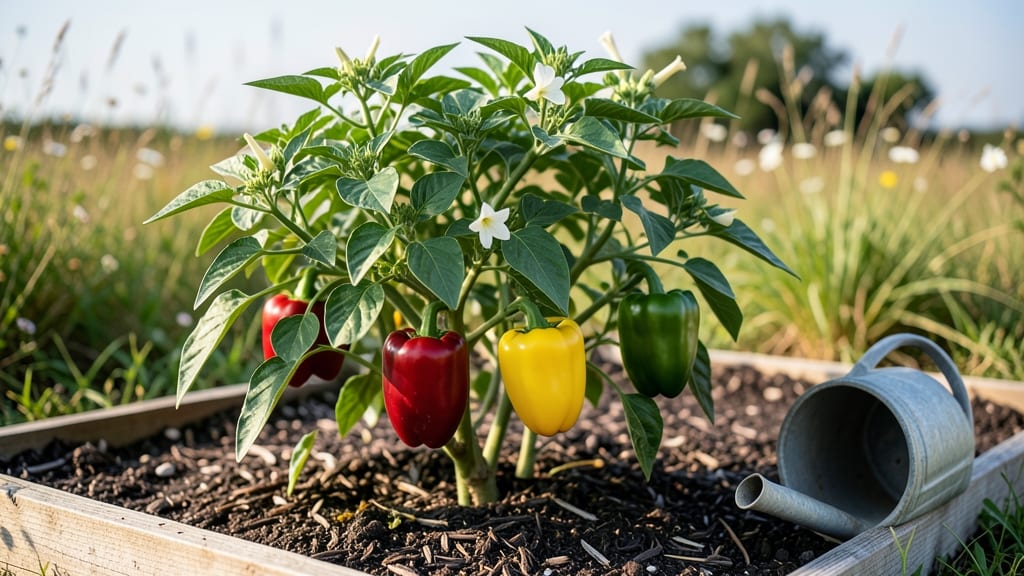
Growing peppers in pots is how I turned my tiny balcony into a spice factory. 🌱 Last summer, my 5-gallon pots produced more jalapeños than I could give away—no backyard needed.
The secret? Matching the right pepper varieties to container size and sunlight, then keeping the soil consistently moist but never soggy.
Start with compact varieties like 'Shishito,' 'Pepperoncini,' or 'Jalapeño M,' which thrive in 5-10 gallon pots. You’ll need well-draining potting mix (no garden soil), a sunny spot with at least 6-8 hours of sunlight daily, and containers with drainage holes.
Overwatering is the #1 killer—stick your finger in the soil first.
By midsummer, you’ll be harvesting glossy green peppers that turn sweet and vibrant with red or yellow ripeness. The smell of fresh peppers grilling on the patio? That’s the real reward. Prune regularly to encourage bushier growth, and fertilize every 4-6 weeks with a balanced organic feed.
Works for patios, decks, or even sunny windowsills—just adjust pot size for larger varieties like 'Banana' peppers. Here’s how to keep them thriving all season long.
📚 In This Guide
- What you need
- Instructions
- Tips and common mistakes
- Wrapping up and next steps
What you need
- ● Containers: 5-gallon pots (or larger) with drainage holes—1 per pepper plant (e.g., fabric grow bags, ceramic, or plastic).
- ● Potting Mix: Well-draining, sterile mix (e.g., 50% peat moss/coco coir + 50% perlite/vermiculite). 1 bag per 2-3 pots.
- ● Peppers: Compact varieties like Jalapeño, Shishito, or Mini Bell (seedlings or seeds). 1-2 plants per pot.
- ● Fertilizer: Balanced, water-soluble fertilizer (e.g., 10-10-10) or organic options like compost tea.
- ○ Support: Small stakes or cages (optional but helpful for bushy varieties).
- ● Watering Can: With a narrow spout for precise hydration.
- ● Mulch (e.g., straw or pine needles) to retain moisture.
- ● Self-watering pot system for busy gardeners.
- ● Grow lights (if indoors or low-light conditions).
- ● Epsom salt (for magnesium boosts during flowering).
- ● Pest control: Neem oil or insecticidal soap.
Step-by-step guide to growing peppers in containers
Here's how I grow vibrant, productive pepper plants in pots—perfect for small spaces or urban balconies.
🌱 Step 1: Select Compact Varieties and Prepare Pots
Choose bush-type pepper varieties like 'Snackable,' 'Jalapeño M,' or 'Shishito'—these stay compact and thrive in 5-gallon pots. Avoid large fruited types like bell peppers unless you use at least 7-gallon containers. Fill pots with a well-draining potting mix (never garden soil) mixed with 20% perlite for aeration. I always add a handful of compost to the bottom for nutrients.
Pots need multiple drainage holes—if yours don't, drill them yourself. Place a cafe filter or mesh over the holes to prevent soil from washing out while still allowing excess water to escape. This prevents root rot, which is especially deadly for peppers.
🌱 Step 2: Plant Transplants or Sow Seeds Indoors
Start seeds 8-10 weeks before your last frost date indoors under grow lights (pepper seeds need warmth to germinate). Press 2-3 seeds per pot just below the soil surface—about ¼ inch deep. Cover lightly with soil and mist gently until evenly moist. Keep the soil at 75-85°F for germination (a seedling heat mat helps).
Once seedlings emerge, thin to one strongest plant per pot. If starting with transplants, bury them slightly deeper than their original pot level—this encourages stronger root growth. Peppers hate root disturbance, so handle seedlings carefully by the leaves, not the stems.
☀️ Step 3: Provide Full Sun and Consistent Warmth
Move pots to a location with 6-8 hours of direct sunlight daily. South-facing windows or grow lights work best—peppers need intense light to prevent leggy growth. If outdoors, harden off seedlings for 7-10 days by gradually increasing sun exposure. Watch for yellowing leaves, which signal insufficient light or overwatering.
Peppers thrive in warmth—keep soil temperatures above 60°F. If nights dip below 55°F, cover pots with frost blankets or move them to a sheltered spot. I also fertilize every 2 weeks with a balanced liquid fertilizer (10-10-10) after the first flowers appear to boost fruit production.
💧 Step 4: Water Deeply and Maintain Moisture
Water deeply when the top inch of soil feels dry—peppers hate soggy roots but also wilt if the soil dries out completely. Use a moisture meter or stick your finger 1 inch deep to check. Water at the base of the plant to avoid wetting leaves, which reduces disease risk. Mulch with straw or shredded leaves to retain moisture and keep roots cool.
Yellowing leaves on older plants often mean overwatering, while crispy edges signal underwatering. Adjust your watering schedule based on the season—containers dry out faster in summer heat. I water every 2-3 days in peak heat but reduce to every 4-5 days in cooler weather.
✂️ Step 5: Prune and Harvest for Continuous Production
Pinch off first flowers if you want larger peppers later in the season—this directs energy to the plant's growth. Once established, remove suckers (shoots growing in the leaf axils) to focus energy on fruit production. Prune yellow or diseased leaves immediately to prevent spread. Harvest peppers when they reach full color and firm texture—this encourages more blooms.
Peppers ripen from the stem end outward, so check frequently. Store harvested peppers in a cool, dark place for up to 2 weeks. If birds or pests appear, cover plants with floating row covers or use neem oil spray as a natural deterrent. With proper care, one pepper plant can yield a dozen or more peppers per season!
Tips & tricks for growing thriving pepper plants in containers
These battle-tested strategies will help you coax maximum productivity from your compact pepper plants—no matter how limited your space.
Soil Science Matters: The 20% perlite mix in your potting soil isn't just about drainage—it creates the perfect air-to-moisture balance that pepper roots crave. I've found that adding 1 cup of worm castings to each pot at planting gives an extra nutrient boost without overwhelming the roots. For extra insurance, mix in 1 tablespoon of mycorrhizal fungi to help roots absorb nutrients more efficiently. This is particularly important in containers where nutrients get depleted faster than in garden beds.
Light Strategy for Small Spaces: Those crucial 6-8 hours of direct sunlight can be tricky in urban settings. If your windows aren't getting enough light, supplement with LED grow lights placed 6-12 inches above the plants for 12-14 hours daily. I've had success with a simple 15-watt LED bulb on a timer—it's more energy-efficient than you'd think. Watch for stretched stems or pale leaves, which are your first signs of light deprivation.
Temperature Management: Keeping soil temperatures above 60°F is non-negotiable, but there's more to it than just the thermometer reading. I've learned that black pots absorb heat better than white or colored ones, which can be crucial in cooler climates. For extra warmth, place pots on brick or concrete surfaces (which retain heat) rather than directly on soil or grass. And if your nights dip below 55°F, consider using self-watering pots with insulated sleeves—they maintain temperature better than standard containers.
Watering Wisdom: The "top inch dry" rule works, but I've found a more precise method: stick a wooden skewer into the soil. When it comes out clean 1 inch deep, it's time to water. This prevents both overwatering (which causes root rot) and underwatering (which leads to blossom end rot). For extra consistency, I water in the early morning so the plants have all day to absorb moisture before evening. And here's a trick I picked up: add 1/4 teaspoon of Epsom salt to each gallon of water once a month—it gives peppers a magnesium boost they love.
Pro Tips for Growing Peppers In Pots
- These battle-tested strategies will help you coax maximum productivity from your compact pepper plants—no matter how limited your space.
- Soil Science Matters: The 20% perlite mix in your potting soil isn't just about drainage—it creates the perfect air-to-moisture balance that pepper roots crave.
- Light Strategy for Small Spaces: Those crucial 6-8 hours of direct sunlight can be tricky in urban settings.
Frequently asked questions
Got questions about growing peppers in pots? You’re not alone! Here are answers to some of the most common concerns—so you can grow bold, flavorful peppers with confidence.
What are the best pepper varieties for containers?
Opt for compact, bush-type varieties like Jalapeño M, Shishito, or Cherry Peppers. These thrive in pots (5+ gallons) and produce abundantly without sprawling. Avoid large heirlooms—they need more space! Pro tip: Look for labels like "bush" or "compact" to save room.
How long does it take for potted peppers to bear fruit?
Most pepper varieties take 60–90 days from transplanting to produce fruit, depending on the type and growing conditions. Start seeds indoors 8–10 weeks before your last frost for an earlier harvest. Patience pays off!
Why aren’t my potted peppers fruiting?
Peppers need sun (6+ hours daily), consistent water, and balanced fertilizer (like 10-10-10). Check for underwatering, poor drainage, or nutrient deficiencies (yellow leaves = nitrogen; purple stems = phosphorus). Prune excess leaves to boost airflow and fruit production.
Can I grow peppers in small pots (like 1-gallon containers)?
Small pots limit root growth, but dwarf varieties (e.g., ‘Mini Bell’ or ‘Thai Hot Pepper’) can work if you use fast-draining soil, frequent feeding, and prune aggressively. Expect fewer peppers—upgrade to 5+ gallons for better yields. Think of it as a snack garden!
How do I keep pests away from my potted peppers?
Prevent pests with neem oil, row covers, or companion planting (basil/marigolds). Watch for aphids, spider mites, or hornworms—handpick or spray with insecticidal soap. Healthy plants resist pests better! Check our pest-control tips for more.
Wrapping up and next steps
Growing peppers in pots is a rewarding way to enjoy fresh, homegrown produce—even in small spaces! With the right compact varieties, proper container setup, and a little care, you’ll be harvesting spicy jalapeños, sweet bell peppers, or tangy banana peppers in no time. 🌱
Now that you’re equipped with tips and answers to common questions, start small: pick your favorite pepper variety, grab a pot, and get planting! Soon, you’ll be savoring the fruits (and veggies!) of your labor—literally. Happy growing! 🌿