
Plants
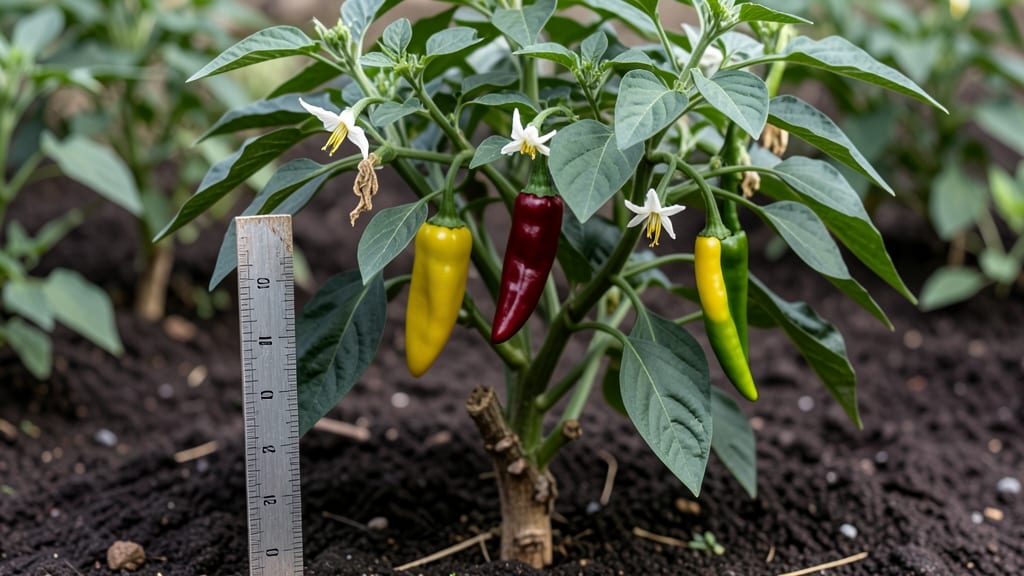
Hot pepper plants grow anywhere from 1 to 4 feet tall, depending on the variety and how you manage them 🌶️ — but that range can make all the difference between a tidy garden bed and a jungle of sprawling vines.
If you’re growing hot peppers for heat, flavor, or both, knowing their height range isn’t just about space planning—it’s about maximizing yield and avoiding overcrowded plants that struggle to thrive.
Some varieties, like jalapeños or habaneros, stay compact, while others, like ghost peppers or Carolina Reapers, can tower like small trees. The key? Understanding whether your peppers are determinate (bushy, limited growth) or indeterminate (vining, continuous growth) before you plant.
Below, I’ll break down height expectations by variety, share pruning tips to control sprawl, and show you how to use trellises or stakes to keep your harvests accessible and your garden neat.


Hot pepper plant height ranges by variety: dwarf to towering giants
When planning your hot pepper garden, knowing how tall each variety grows helps you design your space efficiently. Some peppers stay compact enough for windowsill gardens, while others need room to sprawl like small trees.
The key difference often lies in whether a variety is determinate (bushy, limited growth) or indeterminate (continuous growth, taller). Let’s explore the height ranges of popular varieties and what they mean for your garden layout.
Dwarf varieties like Thai chilis or mini jalapeños typically max out at 12-18 inches, making them perfect for containers or small gardens. On the other end, giants like Carolina Reapers can reach 4-5 feet or more, requiring sturdy supports or trellises.
Even within a single variety, height can vary based on growing conditions—like sunlight exposure or pruning habits—so always check seed packets for specific expectations.
🌱 Pro Tip: Indeterminate varieties (like most habaneros) often grow taller when given full sun and consistent watering. If you’re short on space, prune them early to encourage bushier growth and more fruit production.
If you’re growing jalapeños or serrano peppers, expect 2–3 feet of height, which works well in raised beds or along fences. These varieties are often determinate, meaning they’ll stop growing once they start producing fruit, making them easier to manage in smaller spaces.
For habaneros or ghost peppers, plan for 3–5 feet—these indeterminate types keep growing and producing peppers all season long.
For Carolina Reapers or tree peppers, height isn’t the only challenge—these giants can become top-heavy with fruit. Use sturdy bamboo stakes or metal trellises to support their weight and keep them upright.
Without support, they may flop over, damaging branches and reducing yield. I’ve seen Reapers reach 5 feet in ideal conditions, but they often sprawl if left unsupported.
Another factor to consider is container gardening. Dwarf varieties like mini bell peppers or Thai chilis thrive in 5-gallon pots, while taller types need at least 10–15 gallons to support their root systems.
If you’re growing indeterminate varieties in containers, choose deep pots with drainage holes to prevent root rot and ensure stable growth.
Pruning plays a huge role in managing height. For indeterminate varieties, pinch off the tips of new growth to encourage bushier habits and more peppers. For determinate types, minimal pruning is needed—they’ll naturally stay compact.
I’ve found that pruning early in the season can reduce height by 20–30% while increasing fruit production.
Don’t forget about light exposure. Hot peppers need **6
How to control hot pepper plant height: pruning, training, and support
Hot pepper plants can grow anywhere from 1 foot to over 4 feet tall, depending on variety and care. If your plants are getting too leggy or sprawling uncontrollably, don't worry—simple techniques like pruning and trellising can transform them into manageable, high-yielding bushes or vertical giants.
The key is understanding when and how to intervene without harming fruit production.
Determinate varieties (like jalapeños) naturally stay compact, while indeterminate types (like habaneros) keep growing taller. Even determinate plants benefit from light pruning to improve air circulation and fruit quality. For sprawlers, support systems like trellises or cages prevent broken stems and make harvesting easier.
- 1 Prune for bushiness: Pinch off the top set of leaves when plants reach 12-18 inches tall. This encourages lateral growth and prevents legginess. Use clean, sharp pruning shears to avoid tearing stems.
- 2 Train indeterminate varieties: Guide tall plants along trellises or bamboo stakes. Tie stems gently with soft garden twine every 6-8 inches to support weight. This also improves air flow and reduces disease risk.
- 3 Remove suckers: Look for small shoots growing in the leaf axils. These sucker growths divert energy from fruit production. Snip them off at the base with sterilized scissors to redirect nutrients to existing peppers.
- 4 Stake determinate plants: Even compact varieties benefit from support stakes (like tomato cages) when they start bearing fruit. This prevents stems from snapping under the weight of heavy pepper clusters.
- 5 Avoid over-pruning: Never remove more than 20-30% of foliage at once. Over-pruning stresses plants and reduces photosynthesis, leading to fewer peppers and slower recovery. Prune gradually over the growing season.
One common mistake is pruning too late in the season. If you wait until August or September, new growth may not harden off before frost, leaving plants vulnerable. Another pitfall is using dull tools, which crush stems and invite disease. Always disinfect shears with rubbing alcohol between cuts.
For container growers, choose compact varieties like shishito peppers or mini jalapeños, which thrive in 5-gallon pots. If your container plants outgrow their space, prune aggressively in early spring to reset growth.
Mulch around the base with straw or grass clippings to retain moisture and encourage stronger root development.
Remember, the goal isn’t just to control height—it’s to create an environment where your plants can focus energy on fruit production. With the right techniques, you’ll end up with healthier plants, easier harvesting, and a bountiful harvest of spicy goodness all season long. 🌱✂️🌿