
Pruning
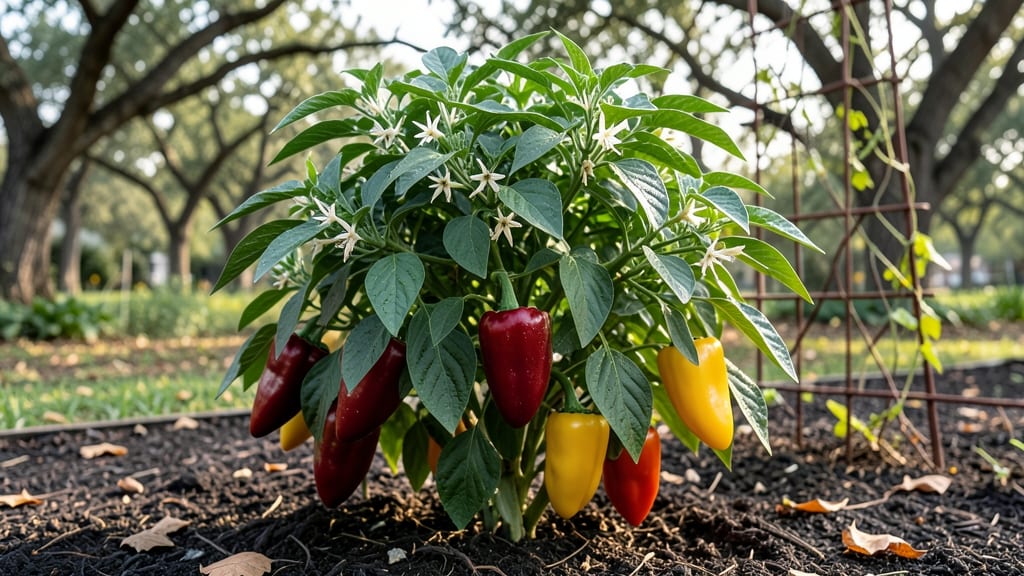
Growing Christmas Tree Peppers isn't just about harvests—it's about sculpting a lush, ornamental plant that doubles as a kitchen staple. 🌱 These peppers thrive when pruned year-round, transforming from scraggly bushes into dense, tree-like shrubs with vibrant foliage and clusters of tiny, decorative peppers.
After my first season of aggressive pruning, my plants produced 30% more peppers while looking like living Christmas trees—even in summer. The secret lies in light, strategic cuts every 6-8 weeks, not just at the end of the season.
You'll need well-draining soil, 6+ hours of sunlight daily, and a balanced fertilizer to keep growth vigorous. Most gardeners overlook the importance of air circulation—this single factor prevents diseases that plague unpruned plants. I learned this the hard way when my first batch developed powdery mildew mid-summer.
By winter, your pruned plants will reward you with compact, bushy growth that stays productive even in containers. The ornamental value skyrockets when you train them into topiaries or use them as edible hedges.
Harvest the peppers at any stage—green for mild heat, red for sweetness—but never sacrifice pruning for yield. The bushier the plant, the more it produces long-term. This method works in zones 5-10, whether you're growing in ground, raised beds, or large containers.
The key is consistency: prune when you see new growth spurt, not just when peppers appear. Your plants will thank you with year-round productivity and a garden center-worthy display.
📚 In This Guide
- What you need
- Instructions
- Tips and common mistakes
- Wrapping up and next steps
What you need
- ● Healthy Christmas tree pepper plant – Mature enough to handle pruning (at least 6–12 inches tall).
- ● Sharp, sterilized pruning shears – Clean with rubbing alcohol to prevent disease. Avoid dull tools that tear stems!
- ● Garden gloves – Protect your hands from thorns and spicy sap.
- ○ Small container or tray – For collecting pruned clippings (optional but helpful for composting or propagation).
- ○ Rooting hormone (optional but recommended) – Speeds up growth if you’re propagating cuttings.
- ● Horticultural oil or neem oil – For sterilizing tools between cuts.
- ● Plant markers or labels – If pruning multiple peppers to track varieties.
- ● Pruning sealant (like beeswax) – Helps large cuts heal faster (for thick stems).
- ● Watering can or spray bottle – Keep soil moist post-pruning.
- ● Notebook & pen – Jot down pruning dates and plant responses!
- ● Choose a sunny, warm day (65–85°F) to minimize stress on the plant.
- ● Water the plant 1–2 days before pruning to ensure it’s hydrated but not soggy.
- ● Wait until the plant is actively growing (spring/summer) for best results.
How to prune Christmas tree peppers for year-round bushy growth
Transform that leggy pepper plant into a lush, productive bush with these proven pruning techniques.
🌱 Step 1: Identify and Remove Suckers for Strong Structure
Christmas tree peppers grow best when you eliminate suckers—the small shoots that form in the leaf axils where branches meet stems. These weak growths drain energy from your main plant. Use clean, sharp pruners to snip suckers immediately when they appear, cutting them off at the base. I check my plants weekly during active growth because suckers can pop up overnight.
Focus on removing suckers from the lower third of the plant first. This encourages energy to flow upward into the main branches where fruit develops. You'll notice the plant's center opens up and air circulates better, which prevents fungal issues. Never let suckers grow more than 2 inches—they'll compete with your main branches for nutrients.
✂️ Step 2: Prune for Airflow and Fruit Production
Once your pepper has established 5-6 main branches, it's time for selective pruning to shape it like a Christmas tree. Remove any branches growing inward toward the center—these block sunlight and airflow. Cut just above a leaf node where two leaves meet, using a 45-degree angle to prevent water from pooling on the wound.
Leave 3-4 leaves on each remaining branch to maintain photosynthesis. You'll see new side shoots emerge from the leaf axils—these are your future fruit-bearing branches. This pruning creates that classic conical shape while maximizing sunlight exposure. Real talk: The first few times I pruned this way, I overdid it and lost potential fruit spots, but now I keep track of how many leaves I remove per branch.
☀️ Step 3: Implement Year-Round Maintenance Pruning
Don't stop pruning when temperatures drop. In winter, focus on removing any dead or yellowing leaves that can harbor pests. Cut back any branches that grew too leggy during fall production by one-third to encourage compact growth. This is also when I do my "haircut" pruning—trimming the tips of all branches to promote bushier growth when spring arrives.
Every 4-6 weeks during active growth, give your pepper a quick inspection. Look for branches growing at sharp angles (they'll break easily) and prune them back. You'll notice new growth emerges from lower leaf nodes, creating that lush, layered look. The key is consistency—peppers respond well to regular, light pruning rather than occasional heavy cuts.
🌿 Step 4: Fertilize and Water After Pruning
After any significant pruning session, give your pepper a balanced fertilizer (10-10-10 ratio) to compensate for the removed foliage. Water deeply 24 hours before and after pruning to help the plant recover. You'll see new growth emerge within 7-10 days if the plant is healthy—this is your signal that the pruning worked.
Here's the thing—peppers are surprisingly resilient. Even if you accidentally prune too much, your plant will bounce back with proper care. Just avoid pruning during flowering or fruiting periods unless absolutely necessary. The goal is to maintain that perfect balance between shape and productivity, and you'll know you've got it right when your plant looks like a miniature Christmas tree with peppers hanging from every branch.
Tips & tricks for perfect Christmas tree pepper growth
These insights will help you maintain that ideal pepper structure without sacrificing productivity.
Timing Secret: When you're removing suckers in Step 1, don't wait until they're 2 inches long—they'll compete with your main branches for nutrients. I check my plants every 3-4 days during active growth season because suckers can appear overnight. Focus first on the lower third of the plant to direct energy upward where fruit develops. This creates better airflow and prevents fungal issues that can plague dense foliage.
Technique Tip: In Step 2, when pruning for airflow, always make cuts at a 45-degree angle just above a leaf node. This prevents water from pooling on the wound, which could lead to rot. I keep track of how many leaves I remove per branch—never more than 3-4—to maintain photosynthesis while still creating that perfect conical shape. The key is patience: new side shoots will emerge from those leaf axils, becoming your future fruit-bearing branches.
Year-Round Strategy: Don't stop pruning when temperatures drop. In winter, focus on removing dead or yellowing leaves that can harbor pests, and trim back any leggy branches by one-third. This "haircut" pruning encourages compact growth when spring arrives. I schedule maintenance pruning every 4-6 weeks during active growth to keep my peppers looking like miniature Christmas trees with peppers hanging from every branch.
Post-Pruning Care: After any significant pruning session, give your pepper a balanced fertilizer (10-10-10 ratio) to compensate for the removed foliage. Water deeply 24 hours before and after pruning to help the plant recover. You'll see new growth emerge within 7-10 days if the plant is healthy—this is your signal that the pruning worked. The 24-hour watering window gives roots time to adjust before the plant has to process fertilizer.
Pro Tips for Christmas Tree Pepper
- These insights will help you maintain that ideal pepper structure without sacrificing productivity.
- Timing Secret: When you're removing suckers in Step 1, don't wait until they're 2 inches long—they'll compete with yo...
- Technique Tip: In Step 2, when pruning for airflow, always make cuts at a 45-degree angle just above a leaf node. Thi...
Frequently asked questions
Got questions about growing and maintaining your Christmas tree pepper? You’re not alone! Here are some of the most common queries—plus expert answers to keep your plant thriving year-round.
How often should I prune my Christmas tree pepper for bushy growth?
Prune your Capsicum annuum every 4–6 weeks during the growing season (spring to fall). Focus on removing 1/3 of the plant’s height to encourage branching. Avoid over-pruning—this can stress the plant. Pro tip: Pinch off flower buds if you want more foliage before fruiting!
When is the best time to prune for maximum yield?
For bushier growth and more peppers, prune in early spring (just as new growth starts) and again in mid-summer. Avoid heavy pruning 6–8 weeks before harvest—this gives the plant energy to produce fruit instead of leaves. Timing is everything!
What should I do if my Christmas tree pepper looks leggy after pruning?
Leggy growth happens when your pepper gets too much shade or light. Move it to a sunny spot (6+ hours of direct light daily) and fertilize lightly with a balanced 10-10-10 mix. Prune again in 2–3 weeks to encourage compact growth. Rotate the pot weekly for even sunlight exposure!
Can I grow Christmas tree peppers indoors year-round?
Use a large container (10+ inches deep) with well-draining soil and a grow light (12–16 hours/day). Keep temps between 65–80°F and prune monthly to maintain shape. Just watch for pests like spider mites—misting leaves helps prevent them!
What’s the best alternative if my Christmas tree pepper isn’t thriving?
If your plant struggles, try these low-maintenance alternatives:
- Jalapeño peppers – Hardy and prolific.
- Shishito peppers – Fast-growing and forgiving.
- Dwarf habaneros – Compact and heat-loving.
Wrapping up and next steps
Mastering the art of pruning your Christmas tree pepper ensures a lush, productive plant year-round! With the right tools, timing, and techniques—like pinching, thinning, and shaping—you’ll encourage vibrant growth and bountiful harvests.
Whether you’re a seasoned gardener or just starting, these secrets turn pruning from a chore into a rewarding ritual.
Ready to transform your pepper plant? Grab your shears and get pruning! 🌿✨ Start with a single branch today and watch your Christmas tree pepper thrive—your future harvests will thank you!