Size
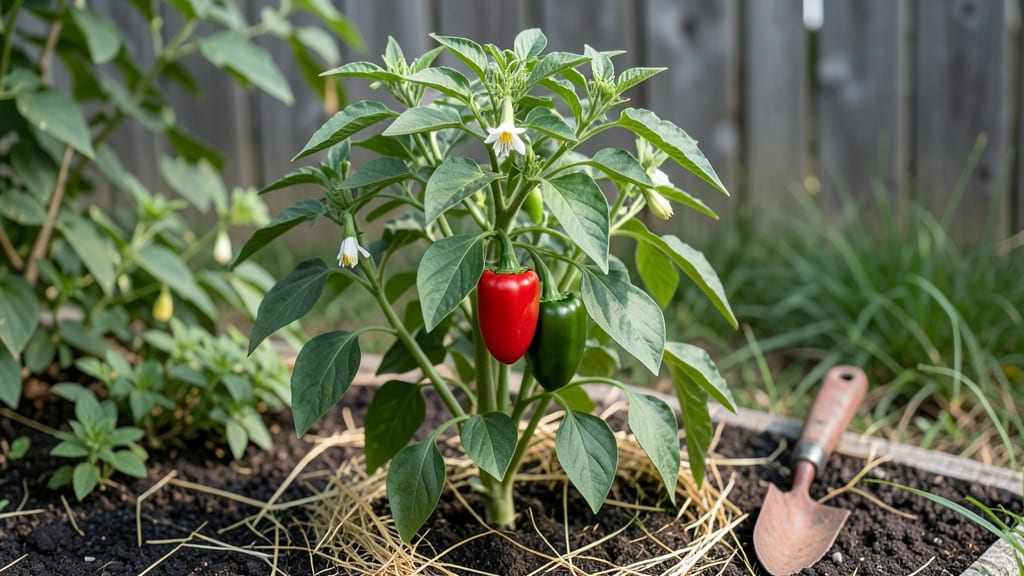
Mini bell peppers 🌶️ grow to just 2–4 inches long, making them perfect for small gardens, containers, or snacking straight from the plant—but their final size depends on variety, sunlight, and care.
If you’re dreaming of a bountiful harvest but short on garden space, mini bell peppers could be your perfect solution—but first, you need to know exactly how big they’ll grow.
These tiny powerhouses pack big flavor in surprisingly small packages, but their size varies dramatically depending on the variety and growing conditions.
Some varieties stay as small as 1–2 inches, while others stretch to 4–5 inches—and that difference matters for spacing, yield, and even flavor.
Below, I’ll break down what to expect from popular types, how to maximize their size in tight spaces, and when to harvest for the sweetest, crispest peppers.
You’ll also discover the 3 key factors that shrink or boost their growth, from sunlight tricks to soil secrets that turn tiny plants into flavor-packed harvests—without taking over your garden.
Mini bell pepper size expectations by variety: what to plant for compact harvests
When planning your garden, knowing how big mini bell peppers get helps you choose the right varieties for your space. Unlike their larger cousins, these compact peppers mature at just 1-5 inches long, making them perfect for containers, raised beds, or small plots.
The size difference isn't just about length—it also affects yield, flavor intensity, and even harvest timing. For example, the 'Tiny Tim' variety stays under 2 inches while producing 50+ peppers per plant, while 'Snackbell' reaches 3-4 inches with fewer but larger fruits.
Mini bell peppers are bred for high density and early maturity, typically ready to harvest in 60-75 days—about 2-3 weeks faster than standard bell peppers.
Their smaller size also means they ripen more uniformly, giving you a steady supply of snack-sized peppers perfect for fresh eating, pickling, or stuffing. But not all mini varieties are created equal: some stay bush-like (ideal for pots), while others send out trailing vines (better for trellises or hanging baskets).
Here’s the key question: Do you want tiny but prolific peppers (like 'Mini Bell') or slightly larger but fewer fruits (like 'Sweet Mini')? The answer depends on your goals—whether you’re growing for quantity, convenience, or decorative displays. Let’s break down the most popular varieties and their mature sizes, growth habits, and yield expectations so you can pick the perfect fit for your garden.
The 'Tiny Tim' is the undisputed champion for small-space gardens, thriving in 5-gallon containers while producing 50+ peppers per plant. Its 1
How to maximize mini bell pepper size: growing tips for bigger harvests in small spaces
Mini bell peppers are a gardener’s dream for small spaces—compact plants that deliver big flavor. But to get the largest possible harvest from these pint-sized peppers, you need to focus on a few key growing strategies.
The difference between 2-inch snack-sized peppers and 4-inch giants often comes down to sunlight, soil, and smart pruning. Let’s explore how to coax your mini bell peppers to reach their full potential without taking over your garden.
Most mini bell pepper varieties top out between 2-4 inches long, but with the right care, you can push them toward the upper end of that range. The secret lies in mimicking their natural growing conditions—think full sun exposure, balanced nutrition, and proper spacing.
Even in containers, these peppers can thrive if you follow a few simple rules. Whether you’re growing them in a window box, raised bed, or backyard plot, these tips will help you maximize size and yield.
- Sunlight: Place plants in 6+ hours of direct sun daily—south-facing spots are ideal. Mini peppers need full sun to develop their full size and sweetness.
- Soil pH: Maintain a pH of 6.0-6.8 for optimal nutrient uptake. Test your soil and amend with lime or sulfur if needed.
- Pruning: Remove lower leaves to improve airflow and redirect energy to fruit production. Pinch off early flowers if your plant looks stressed.
- Watering: Keep soil consistently moist (not soggy) by watering at the base in the morning. Avoid wetting leaves to prevent disease.
- Companion Plants: Pair with basil or marigolds to deter pests and improve growth. These plants boost pepper flavor and size naturally.
- Fertilizer: Use a balanced 10-10-10 fertilizer every 4-6 weeks during the growing season. Stop fertilizing 4 weeks before harvest.
One common mistake that stunts mini bell pepper growth is overcrowding. These plants need at least 12-18 inches of space between them to thrive. If you’re growing in containers, use 5-gallon pots or larger to prevent root competition.
Another pitfall is inconsistent watering, which causes peppers to split or stay small. Use a moisture meter to check soil levels—aim for 1 inch of water per week, adjusting for rain.
For even bigger peppers, try hand-pollination if your garden lacks bees. Gently shake the plants or use a small brush to transfer pollen between flowers. This technique can boost fruit set and size, especially in container gardens where pollinators are scarce.
Also, avoid harvesting peppers too early—wait until they’re fully colored and firm to ensure maximum growth potential in subsequent fruits.
Finally, monitor for pests like aphids or spider mites, which can sap energy from your plants. Spray with neem oil or introduce ladybugs to keep populations in check. Healthy plants with strong stems will produce larger peppers, so don’t skip regular inspections.
With these strategies, you’ll be enjoying oversized mini bell peppers perfect for snacking or stuffing—all in a fraction of the space!
🌱