
Picking
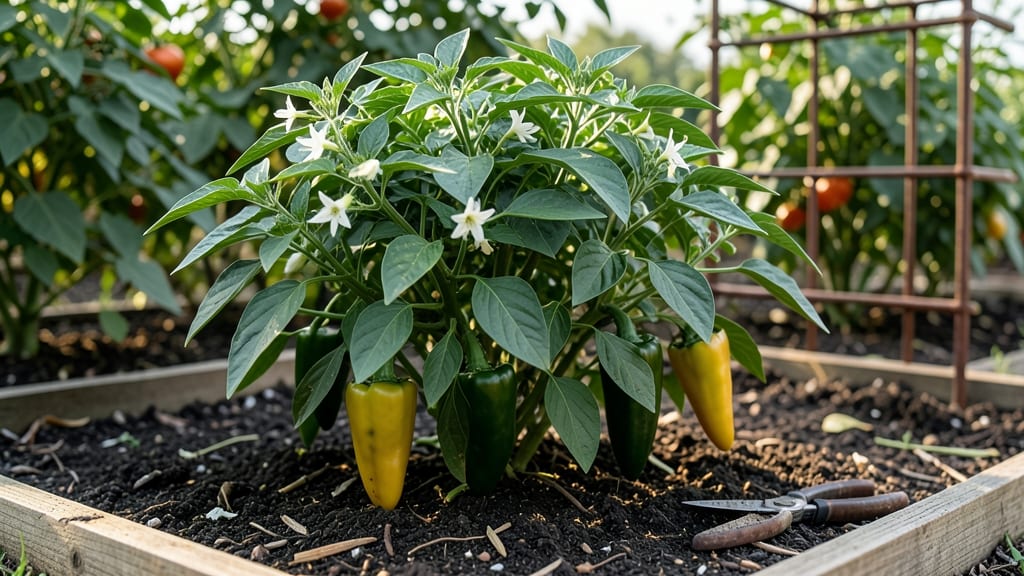
Growing cow horn peppers means your garden just got a lot more interesting. 🌶️ These fiery beauties thrive in heat zones 8-11, where they stretch toward the sun like nature's own chili ropes—each one packing serious heat and complex flavor.
I learned the hard way that they demand warmth, patience, and just the right balance of water to keep their fruit productive. The secret to success starts with rich, well-draining soil mixed with compost—think of it as a spa day for their roots.
Plant them in full sun (at least 6-8 hours daily) and wait until after your last frost, since cow horn peppers hate cold feet. Transplants give you a head start, but seeds let you experiment with heirloom varieties that nurseries often skip.
By midsummer, you'll see those signature curved peppers forming, each one a potential harvest. The key is consistent watering—keep soil moist but never soggy—and a light hand with fertilizer. Too much nitrogen means leafy growth at the expense of fruit.
Prune carefully to encourage airflow, and watch as your plants transform into heat-producing powerhouses. These peppers reward precision with bold flavors that range from smoky to fruity, depending on how you let them ripen.
Harvest when firm and glossy for the best heat, or wait for deep reds for sweeter notes. With the right care, one plant can produce pounds of peppers—enough to share (or challenge) friends with your spiciest creations.
📚 In This Guide
- What you need
- Instructions
- Tips and common mistakes
- Wrapping up and next steps
What you need
- ● Cow Horn Pepper Seeds: 3–5 seeds (or 1–2 plants if transplanting). Look for Capsicum annuum varieties like 'Cow Horn' or 'Cayenne.'
- ● Containers or Garden Bed: Containers: 5–7 gallon pots (with drainage holes) for each plant.
- ● Garden Bed: Full sun (6+ hours/day), well-draining soil, and space 18–24 inches apart.
- ● Potting Mix: High-quality, well-draining blend (e.g., 60% potting soil, 30% perlite, 10% compost).
- ● Fertilizer: Balanced organic fertilizer (10-10-10) or compost tea for nutrient boosts.
- ● Stakes or Cages: 3–4 ft tall to support heavy pepper growth.
- ● Hand Trowel & Pruners: For planting, pruning, and harvesting.
- ● Gloves: Heavy-duty gardening gloves (cow horn peppers pack a punch! 🌶️).
- ● Watering Can or Hose: With a gentle spray nozzle to avoid disturbing soil.
- ○ pH Test Kit (Optional): Ideal soil pH: 6.0–6.8. Adjust with lime or sulfur if needed.
- ○ Heat-Tolerant Mulch (Optional): Straw or black plastic to retain moisture and regulate soil temp.
- ● 🌡️ Warmth is Key: Cow horn peppers thrive in temps above 70°F (21°C). Use a heat mat if starting indoors.
- ● 💡 Light Lovers: Supplement with grow lights (12–16 hours/day) if natural light is limited.
- ● 🎯 Patience Pays Off: These peppers take 90–120 days to mature—plan ahead!
How to grow cow Horn peppers in your heat zone
This fiery pepper thrives with the right conditions—here’s how to grow bold, spicy harvests year after year.
🌱 Step 1: Choose the Right Heat Zone and Planting Time
Cow Horn peppers love hot climates (zones 9-11) but can grow in zones 8 and cooler with careful timing. Start seeds indoors 8-10 weeks before your last frost date—they need warmth to germinate. If you’re in a cooler zone, opt for transplants instead of seeds to avoid slow starts.
These peppers crave heat, so wait until soil temperatures hit at least 70°F before transplanting outdoors. A soil thermometer helps—stick it in the ground a few inches deep to confirm. Plant after the last frost, but if your spring is unpredictable, use black plastic mulch to warm the soil faster.
☀️ Step 2: Plant in Full Sun with Well-Draining Soil
Cow Horn peppers need 6-8 hours of direct sunlight daily—they won’t ripen properly in shade. Amend your soil with compost or aged manure before planting to improve fertility, but avoid fresh manure, which can burn tender roots. These peppers hate soggy soil, so if your garden drains poorly, mix in sand or perlite to loosen the mix.
Space plants 18-24 inches apart in rows 24-30 inches apart to allow airflow and prevent disease. If growing in containers, use 5-gallon pots with drainage holes—these peppers get large and need room to sprawl. Mulch around the base with straw or shredded leaves to retain moisture and keep roots cool.
💧 Step 3: Water Deeply and Consistently
Keep soil evenly moist but never waterlogged—Cow Horn peppers are drought-tolerant once established, but inconsistent watering leads to bitter fruit. Water deeply at the base (1-2 inches per week) rather than shallowly. Let the top inch of soil dry out between waterings to prevent fungal issues like blossom end rot.
Stop watering 1-2 weeks before harvest to concentrate flavor. You’ll know you’re on track when leaves stay slightly crisp rather than wilting. Drip irrigation or soaker hoses work best—they deliver water directly to roots without wetting foliage, reducing disease risk.
✂️ Step 4: Prune and Support for Maximum Yield
Pinch off the first few flowers to encourage stronger growth—this helps the plant focus on stem and leaf development before fruiting. Once established, prune yellow or diseased leaves immediately to redirect energy to peppers. Cow Horn peppers can get heavy, so install cages or stakes early to support vines and prevent breakage.
Harvest peppers when they reach full size but before they turn fully red—this is when they’re sweetest and most flavorful. Use pruning shears to cut stems cleanly, leaving a small stub. Regular harvesting encourages more production. If you miss the window, let them ripen fully on the plant for maximum heat.
🌿 Step 5: Overwinter and Save Seeds for Next Year
In cooler zones, dig up plants before frost and pot them in 5-gallon containers. Move them indoors to a sunny window or under grow lights until spring. Keep soil lightly moist and fertilize lightly every 4-6 weeks to maintain health. If you’re in a warm zone, mulch heavily and water sparingly through winter.
To save seeds, let a few peppers ripen fully on the plant, then scoop out the seed pods. Ferment them in a jar with water for 3-5 days, then rinse, dry, and store in a cool, dark place. These seeds retain heat and can produce plants just like the parent—perfect for next season’s bold harvests.
Tips & tricks for growing bold cow Horn peppers
These simple tricks will help you cultivate fiery, flavorful Cow Horn peppers that thrive in your climate.
Heat Zone Hack: If you're in zone 8 or cooler, don't rush planting! Wait until soil temperatures consistently hit that 70°F mark before transplanting—even if it means starting a few weeks later. I've seen gardeners in these zones plant too early, only to have their peppers struggle with cool nights. A soil thermometer is worth its weight in gold for this.
Sunlight Strategy: Those 6-8 hours of direct sunlight are non-negotiable, but here's the secret: morning sun is more important than afternoon. Position your plants to catch the first rays of the day—they help dry dew quickly and prevent fungal diseases. If your garden has afternoon shade, consider using reflective mulch to bounce extra light onto the plants.
Soil Prep Pro Tip: Before mixing in compost or aged manure, test your soil's drainage. Fill a jar halfway with soil, add water, and shake vigorously. If water drains in under 30 seconds, your soil is good. If it takes longer, add more sand or perlite. Cow Horn peppers will reward you with better growth when their roots aren't sitting in soggy conditions.
Harvest Timing: When harvesting those sweet peppers at full size but before they turn fully red, here's my trick: use a small magnifying glass to check for color changes on the underside of the pepper. The first hints of red often appear there before the outer skin changes. This helps you catch them at peak sweetness before they turn too spicy.
Pro Tips for Cow Horn Pepper
- These simple tricks will help you cultivate fiery, flavorful Cow Horn peppers that thrive in your climate.
- Heat Zone Hack: If you're in zone 8 or cooler, don't rush planting!
- Sunlight Strategy: Those 6-8 hours of direct sunlight are non-negotiable, but here's the secret: morning sun is more important than afternoon.
Frequently asked questions
Got questions about growing or using cow horn peppers? You’re not alone!
Here are answers to the most common queries—from heat levels to harvest tips—so you can master this fiery favorite with confidence.
How hot is a cow horn pepper, really?
A single cow horn pepper typically ranges from 50,000–100,000 Scoville Heat Units (SHU), making it a very hot but manageable chili for most spice lovers. For context, that’s about 3–5x hotter than a jalapeño but far milder than a habanero. Always wear gloves when handling!
When should I pick cow horn peppers for maximum heat?
Harvest when the peppers reach 3–4 inches long and turn a deep red (or yellow/orange, depending on the variety). For peak heat, pick when fully mature but still firm—overripe peppers lose potency. Pro tip: Morning harvests yield the freshest flavor and highest capsaicin levels.
Can I substitute cow horn peppers if I don’t have any?
Yes! If you’re missing cow horns, try these heat-and-flavor substitutes in a 1:1 ratio:
- Serrano peppers (similar heat, slightly tangier)
- Thai bird’s eye chilies (fierier, but use half the amount)
- Red Fresno peppers (milder, but add a touch of sweetness)
Why did my cow horn peppers turn bitter or lose heat?
Bitterness or reduced heat often stems from overripening, uneven watering, or poor pollination. To troubleshoot:
- Check for consistent moisture (drought stress = bitter peppers).
- Ensure full sun (6+ hours/day) and balanced fertilizer (high in phosphorus for flowering).
- If peppers are too soft or wrinkled, they’ve overripe—harvest sooner next time!
How do I store cow horn peppers to keep them fresh and spicy?
Store unripe peppers in a paper bag in the fridge (up to 2 weeks) to ripen slowly. For ripe peppers:
- Short-term (1–2 weeks): Keep in the fridge, unwashed, in a sealed container.
- Long-term (months): Freeze whole or slice (blanch first to preserve texture).
- Drying: String them up in a dark, dry place (2–4 weeks) for powdered heat.
Wrapping up and next steps
Ready to spice up your garden—or your life—with the fiery cow horn pepper? This bold beauty brings heat, flavor, and a touch of adventure to any harvest. Whether you're a seasoned grower or a curious beginner, embracing its Scoville heat is all about patience, passion, and a little practice.
Your next step? Grab those seeds, prep your soil, and dive in! Start small, experiment with care, and soon you’ll be reaping those iconic, twisted peppers like a pro. Happy growing—your taste buds (and bragging rights) will thank you! 🌶️🔥