
How To
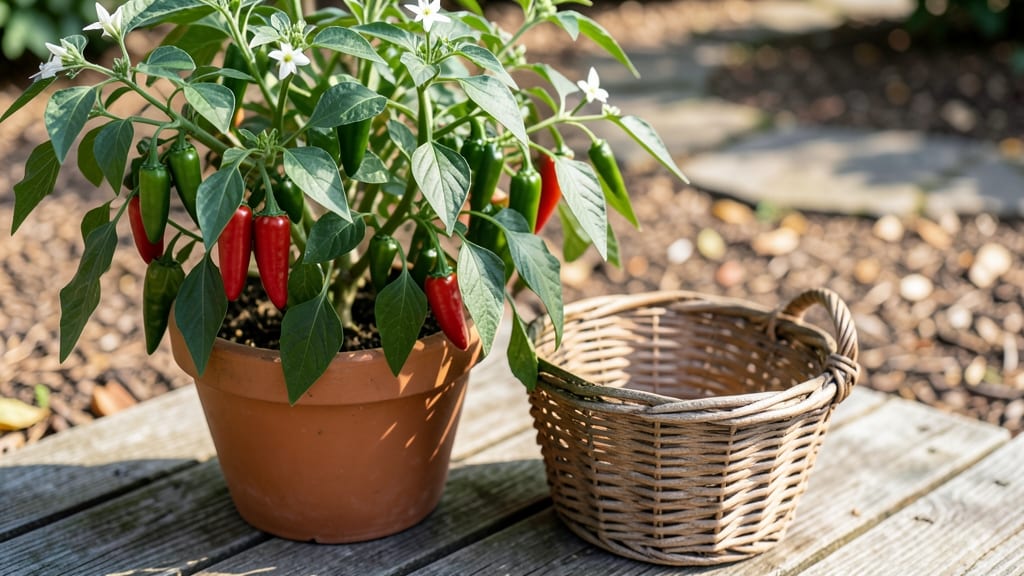
Knowing when serrano peppers are ready to pick means catching their peak heat and flavor before they turn bitter or mealy.
Picture this: you’ve waited months for your 🌶️ serrano plants to fruit, and now you’re staring at peppers that look ripe but might still need time. One wrong pick could mean losing that perfect balance of spice and sweetness—or worse, ending up with a pepper that’s tough and flavorless.
Here’s the secret: ripeness isn’t just about color. You’ll learn to check for firmness, size, and even a little snap test to confirm they’re at their best.
Whether you’re growing serranos in Zone 6a or anywhere else, these cues will tell you exactly when to harvest for the most vibrant, zesty peppers.
Once you master the signs, you’ll also discover how to handle and store them to keep that fresh-picked punch for as long as possible. No more guessing—just perfect, fiery harvests every time.

Serrano pepper ripeness guide: color, size, and texture signs
Serrano peppers are one of the most rewarding chili varieties to grow, but timing your harvest is everything. Unlike bell peppers, these fiery little gems don't wait for a single color cue—they combine color shifts, size benchmarks, and texture changes to signal peak ripeness.
I've learned the hard way that picking too early means mild disappointment, while waiting too long risks bitter, overripe peppers that lose their signature heat.
Most gardeners focus only on color changes from green to red, but serrano peppers actually mature through a spectrum of colors depending on the variety. Some stay green when ripe, while others progress through yellow or orange before reaching their final hue.
The real secret lies in understanding how these visual cues work together with physical maturity indicators like size and firmness.
Color isn't everything—I once harvested a batch of serrano peppers that were bright red but tasted woody because they were overripe. That's why I now combine three key indicators: the pepper's final color, its size range, and how it feels when I gently squeeze it. Let's break down each one so you can spot perfect serrano peppers every time.
The color transition is your first clue, but it varies by variety. Some serrano peppers stay green when fully ripe, while others develop vibrant reds, yellows, or oranges.
I grow both 'Chisntepec' (green when ripe) and 'Mirasol' (red when ripe), so I always check the variety's specific color cues rather than assuming red means ready. For green varieties, look for a deep, matte green color rather than the shiny green of immature peppers.
Size matters more than most gardeners realize. At peak ripeness, serrano peppers typically measure between 2.5 and 4 inches long, though some varieties stay smaller. I once picked a batch that was only 1.5 inches long because they looked red, but they tasted bland.
Always measure against your plant's known variety size—this is especially important for compact varieties like 'Tamarillo' that rarely exceed 2 inches.
The texture test is where many gardeners go wrong. A ripe serrano pepper should feel firm but slightly yielding when you gently squeeze it. If it feels rock-hard, it's underripe; if it's soft or wrinkled, it's past its prime.
I use my thumb and forefinger to apply light pressure—if the pepper springs back immediately, it's ready. This tactile check helps me avoid both green, tough peppers and overripe, bitter ones.
Don't fall for the myth that all serrano peppers turn red when ripe. Some varieties, like 'Chisntepec', remain green when fully mature. Others may develop yellow or orange hues before reaching red.
I keep a small reference chart by my garden noting each variety's specific color progression. When in doubt, combine color with the other two indicators—size and texture—to make your final call.
Temperature plays a surprising role in ripening. Serrano peppers grown in hotter climates (like my Zone 9 garden) often ripen faster and develop more vibrant colors than those in cooler regions.
In my experience, peppers in 90°F+ weather reach peak ripeness in about 70 days, while those in 75°F conditions take closer to 90 days. Always adjust your expectations based on your local growing conditions.
One pro tip I learned from a Mexican market vendor is to check the stem attachment. At peak ripeness, the stem should twist off cleanly with a slight resistance. If it pulls away too easily, the pepper's underripe; if it feels mushy or separates with effort, it's overripe.
This simple test has saved me from harvesting dozens of subpar peppers over the years.
Remember that harvest timing affects flavor and heat. Peppers picked at the transition phase (when they're changing color) tend to be milder but sweeter, while those harvested at full color peak in heat.
For maximum spice, I wait until the peppers reach their final color and firm texture—usually around 75-90 days
The snap test and other pro tips to avoid overripe serrano peppers
Serrano peppers reach their peak flavor and heat when harvested at the right moment. The snap test is my go-to method for determining ripeness, but it’s just one tool in your gardener’s toolkit.
Combine it with stem twist resistance and visual cues to ensure you’re picking peppers at their sweetest, spiciest stage. Overripe peppers lose heat and develop a bitter, mealy texture—so timing matters!
Start by examining the stem attachment. A ripe serrano pepper’s stem should separate cleanly with a slight twist or gentle pull. If it resists, the pepper isn’t ready yet. This resistance is your first clue that the pepper needs more time on the plant.
Pair this with the snap test, where you bend the pepper slightly—it should snap easily at the stem if fully ripe.
⚠️ callout warning
Picking too late causes peppers to lose heat, turn bitter, and develop a mealy texture. Watch for these red flags:
- Soft or wrinkled skin – Sign of overripeness
- Stem detaches with no resistance – Pepper is past prime
- Color fades or dulls – Indicates declining freshness
Pro Tip: Harvest in the morning when peppers are cool and firmest.
Don’t rely solely on color changes—some serrano varieties stay green when ripe, while others turn red, yellow, or orange. Instead, focus on the pepper’s firmness. Press gently with your thumb: a ripe pepper should feel firm but not rock-hard.
If it yields slightly, it’s not ready. Size also matters—aim for 2-4 inches long, depending on your variety.
Another trick I use is the weight check. Hold a pepper in your palm—ripe serranos feel heavy for their size due to concentrated flavor and heat.
Lightweight peppers are underripe and lack the bold taste you’re after. Combine this with the snap test for foolproof results every time you harvest.
Common mistakes include picking peppers that are too small or too large. Tiny serranos (under 1.5 inches) are underdeveloped, while oversized ones (over 4 inches) often lose heat.
Pay attention to your plant’s growth cycle—most serranos take 60-90 days to mature, but heat waves can speed this up.
Once you’ve mastered these techniques, you’ll never miss the perfect harvest window again. Store ripe peppers in a cool, dark place (like a paper bag in the fridge) to preserve their heat and flavor for up to two weeks. Happy harvesting—your taste buds will thank you!