
How To
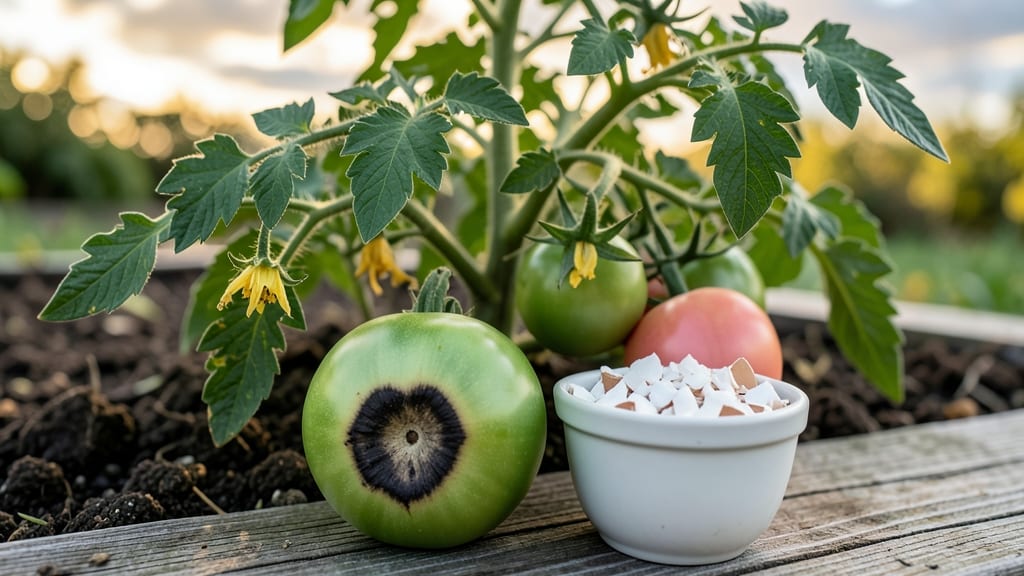
Blossom end rot turns your tomatoes and peppers into sad, shriveled messes—but a quick calcium fix can reverse it in hours. 🌱 I’ve seen entire harvests saved by the right treatment, and I’m sharing the exact method that works even for stubborn cases.
The key isn’t just throwing lime on the soil; it’s getting calcium to the roots fast when plants need it most.
Uneven watering, hot soil, or over-fertilizing starves plants of calcium, causing those telltale black spots. Most gardeners wait too long, but the moment you spot the first blemish, you can stop it in its tracks.
My go-to solution combines a fast-acting calcium supplement with consistent moisture—no complicated soil tests required. Even my black thumb can fix this with the right approach.
Within 24-48 hours, new growth stays firm and crisp, and existing spots stop spreading. The secret? A daily watering routine paired with a calcium-rich spray or soil drench.
You’ll see the difference in your next harvest—juicy, blemish-free fruits that actually make it to the table. Let’s get those plants back on track.
This works for container gardens, raised beds, and in-ground plots, and it’s safe for all varieties. No more tossing out half your harvest—just a simple fix that pays off in weeks. Here’s exactly how to do it without the guesswork.
Root Causes Of Fruit Spoilage
Blossom end rot isn’t just a random bad luck scenario—it’s a calcium deficiency with clear triggers. Understanding these causes is the first step to preventing it in your tomato and pepper crops. Let’s break down the science behind why your produce develops those unsightly, mushy spots.
Blossom end rot thrives when calcium can’t reach the developing fruit fast enough. Here’s how water plays a villain:
- Inconsistent moisture: Plants need steady hydration, but fluctuations (like drought followed by heavy watering) disrupt calcium uptake. Roots can’t absorb enough calcium to support fruit growth during these swings.
- Overhead watering: When water pools on leaves instead of soaking the soil, it dilutes calcium availability in the root zone. The plant’s focus shifts to managing excess surface water, leaving fruit calcium-starved.
- Poor drainage: Waterlogged soil blocks oxygen to roots, weakening their ability to absorb calcium. Even if you’re adding calcium supplements, the roots can’t access them efficiently.
Pro tip: 💡 Aim for deep, infrequent watering (1–2 inches per week) and use drip irrigation or soaker hoses to deliver water directly to the roots.
Calcium uptake is temperature-sensitive. When plants experience stress from heat or cold, their metabolic processes shift, and calcium distribution takes a backseat to survival.
- Heat stress: High temperatures (>90°F/32°C) cause transpiration rates to spike, pulling water (and calcium) out of the plant faster than roots can replenish it. The youngest fruit—like blossom ends—get the short end of the stick.
- Cold snaps: Chilly nights (<50°F/10°C) slow root activity, reducing calcium absorption even if the soil has plenty. The plant’s energy goes toward protecting itself, not nourishing fruit.
- Rapid temperature swings: Plants can’t adjust quickly enough, leading to calcium deficiency symptoms in vulnerable areas like blossom ends.
Pro tip: 🌡️ Use mulch (straw or wood chips) to regulate soil temperature and shade cloth during heatwaves to reduce stress.
Calcium isn’t just about adding more—it’s about balance. If other nutrients or soil conditions are off, calcium gets locked out or wasted.
- High salt or sodium levels: Fertilizers, compost, or even tap water can introduce excess salts that compete with calcium for root uptake sites. The plant prioritizes salts over calcium, leaving fruit deficient.
- Low pH (acidic soil): Soil pH below 6.0–6.8 makes calcium less available because it binds to soil particles instead of dissolving for roots to absorb. Test your soil—it might need a lime amendment.
- Nitrogen overload: Too much nitrogen (common in fast-acting fertilizers) speeds up plant growth but slows calcium uptake. The plant prioritizes leafy growth over fruit development, leading to deficiencies.
Pro tip: 📊 Test your soil’s pH and nutrient levels annually. If calcium is low, gypsum (calcium sulfate) or pelletized lime can help without altering pH drastically.
When a plant produces more fruit than it can support, calcium gets stretched thin. This is especially true for heavy-bearing varieties or plants under stress.
- Overloaded plants: If you’ve got a tomato plant with 20+ blossoms but the roots can’t supply enough calcium, the youngest fruit (blossom ends) suffer first.
- Poor pollination: If flowers aren’t pollinated properly, the plant wastes energy trying to sustain undeveloped fruit, diverting calcium from healthy ones.
- Late-season stress: As plants age, root systems weaken, and calcium uptake declines even if soil levels are adequate.
Pro tip: ✨ Prune excess fruit early in the season to reduce demand. For peppers, remove every other blossom to ensure stronger calcium delivery to remaining fruit.
Now that you know why blossom end rot strikes, the next step is fixing it fast—without waiting for the next harvest. The good news? Calcium corrections can work in hours, not weeks.
Fixing Blossom End Rot Fast
Blossom end rot may look like a death sentence for your tomatoes and peppers, but with the right fixes, you can revive your plants and prevent future damage.
The key is addressing the root cause—usually a calcium deficiency or inconsistent watering—while giving your plants the support they need to bounce back. Here’s how to tackle it step by step, with practical solutions tailored to each trigger.
If your plants are starving for calcium, they’ll need an immediate boost to stop rot from spreading. Here’s how:
🍳 Quick Calcium Fixes (Works in Hours)
- Epsom Salt Soak (Fast Relief): Mix 1 tablespoon of Epsom salt (magnesium sulfate) in 1 gallon of water and use it to water your plants at the base.
This provides magnesium, which helps calcium absorption. Repeat every 3–4 days for a week. Pro Tip: 💡 For extra calcium, add 1 tablespoon of crushed eggshells to the mix—it’s a natural, slow-release source!
- Calcium-Rich Fertilizer (Long-Term Solution): Switch to a balanced fertilizer with calcium, like calcium nitrate (15-0-0) or a tomato/vegetable-specific feed with added calcium. Follow package instructions for dosage. Pro Tip: 🌡️ Avoid overdoing nitrogen—too much can worsen calcium uptake issues.
- DIY Calcium Tea (Cheap & Effective): Steep crushed eggshells or oyster shell grit in water for 24 hours, then strain and water your plants. This leaches calcium directly into the soil.
Inconsistent watering is a top culprit. Here’s how to keep moisture stable:
🥘 Water Like a Pro
- Deep & Consistent Watering: Water deeply 1–2 times per week (depending on climate) instead of shallow daily sprinkles. Aim for 1–1.5 inches of water per week at the soil level. Pro Tip: ⏰ Morning watering is best—it reduces evaporation and fungal risks.
- Mulch to Lock in Moisture: Apply 2–3 inches of organic mulch (straw, wood chips, or grass clippings) around plants to retain soil moisture and prevent swings in calcium availability. Pro Tip: 🎯 Keep mulch 2 inches away from stems to avoid rot.
- Drip Irrigation (Best for Large Gardens): If you’re growing many plants, drip lines deliver water slowly and directly to roots, preventing surface-level moisture loss.
Prevent further spread by acting fast:
✂️ Prune & Protect
- Snip Off Affected Fruit: Use clean pruners to cut off rotten blossom ends below the dark, sunken area. This stops the rot from spreading to healthy tissue. Pro Tip: 🔪 Sterilize pruners with rubbing alcohol between cuts to avoid disease transfer.
- Save the Plant, Not the Fruit: Focus on new growth—healthy blossoms will produce better-quality fruit. Remove severely infected plants if they’re beyond saving.
- Boost Calcium for New Growth: After pruning, apply a calcium-rich foliar spray (like diluted calcium chloride) to leaves. This helps young fruit absorb calcium faster.
Stop blossom end rot before it starts with these habits:
- Start with Calcium-Rich Soil: Amend your soil with crushed eggshells, bone meal, or gypsum before planting. Aim for 0.5–1 lb per 100 sq ft.
- Use Mulch Early: Apply mulch right after planting to maintain even moisture and temperature.
- Monitor Weather Patterns: Blossom end rot thrives in hot, dry spells. If your area is prone to drought, install a rain gauge and water manually when needed.
- Choose Resistant Varieties: Some tomato and pepper varieties (like ‘Celebrity’ tomatoes or ‘Jalapeño M’ peppers) are more tolerant of calcium fluctuations.
Final Note: 🌟 With these fixes, your plants should show improvement in 3–7 days. For severe cases, combine calcium treatments + consistent watering for the best results. Happy growing!
Frequently asked questions
Can I still eat tomatoes or peppers with blossom end rot?
You can eat the unaffected parts of the fruit, but remove the rotten sections at least ½ inch below the dark spot. The rest is safe to consume, though the texture may be softer. For peppers, cut out the bad area and save the rest—it won’t harm you. Just compost the rotten parts to avoid spreading issues.
How quickly will my plants recover after treatment?
With the right calcium fix and consistent watering, you’ll see improvement in 3–7 days. New growth should stay firm and healthy within a week. For severe cases, combine foliar sprays + soil drenches to speed up recovery. Monitor daily for progress—early action is key!
Will lime fix blossom end rot overnight?
No—lime (calcium carbonate) raises soil pH and adds calcium, but it takes weeks to dissolve and become available to roots. For fast results, use gypsum (calcium sulfate) or Epsom salt instead. These dissolve quickly and work in 24–48 hours when applied correctly.
Can I reuse eggshells from my kitchen for calcium?
Rinse and dry eggshells, then crush them into a fine powder. Mix 1 tablespoon per plant into the soil or steep them in water for 24 hours to make a calcium-rich "tea." This is a zero-cost, organic fix that works just as well as store-bought supplements!
Why does blossom end rot happen more in peppers than tomatoes?
Peppers are more sensitive to calcium fluctuations because they absorb nutrients slower than tomatoes. Their thick skins also make calcium transport harder. Plus, peppers often grow in hotter conditions, which worsens calcium uptake. Use drip irrigation and shade cloth to protect them!