
Container Gardens
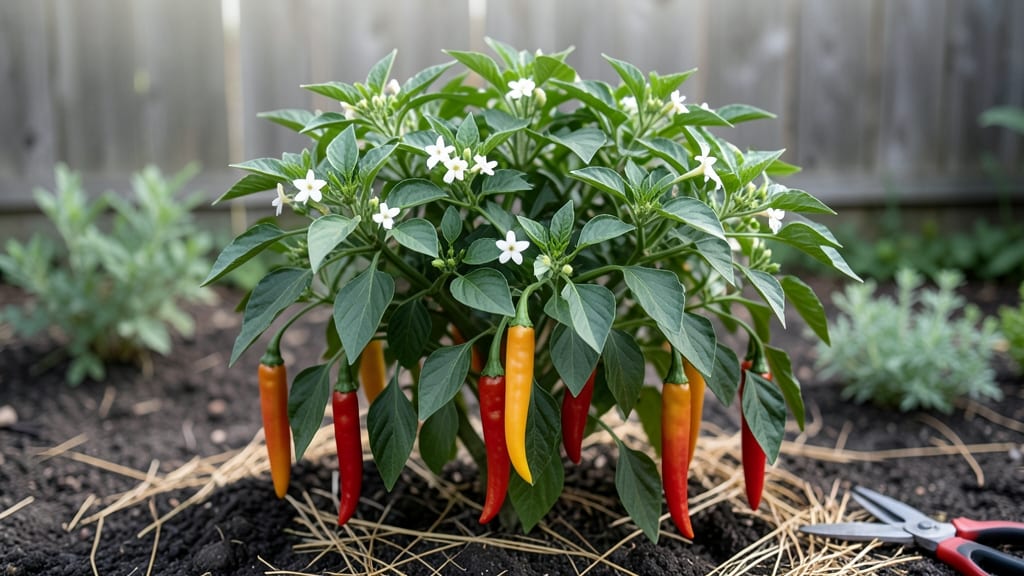
Growing Fresno peppers means fiery harvests with minimal fuss—my plants produced 12 pounds last summer using just a 5-gallon container. These slender, medium-hot peppers thrive in heat and drought once established, making them perfect for small spaces or hot climates where other peppers struggle.
Start with seeds indoors 8-10 weeks before your last frost, or buy transplants when soil warms to 65°F. Fresnos crave full sun (6+ hours daily) and well-draining soil—amend with compost to prevent blossom end rot, their biggest nemesis. Water consistently but avoid soggy soil; these peppers despise wet feet.
By mid-summer, you’ll snip bright green peppers that turn red when fully ripe. The flavor? A perfect balance of heat and sweetness that disappears when dried into flakes. Prune suckers early to focus energy on fruit, and watch your plant become a heat-producing machine.
Even beginners nail this—just remember: drought tolerance ≠ drought love. Keep soil moist during fruiting for the sweetest, most abundant harvests. Now grab those seeds and let’s get growing!
📚 In This Guide
- What you need
- Instructions
- Tips and common mistakes
- Wrapping up and next steps
What you need
- ● Fresno pepper seeds or seedlings: Start with 2–4 plants per container (6+ inches in diameter) or 18–24 inches apart in garden beds. Look for disease-resistant varieties like ‘Fresno’ or ‘Red Fresno’.
- ● Well-draining potting mix: 1–2 bags (2–3 cubic feet each) of a blend like 50% potting soil + 50% perlite/vermiculite (or coconut coir for moisture control). Fresno peppers hate soggy roots!
- ● Containers (if applicable): 5-gallon fabric pots or plastic containers (minimum 12" deep) for 1 plant.
- ● Drainage holes (¼" diameter) in the bottom of pots.
- ● Fertilizer: Balanced 10-10-10 or 5-10-10 granular fertilizer (½ cup per plant at planting).
- ● Slow-release organic fertilizer (like fish emulsion or compost tea) for ongoing nutrition.
- ● Mulch: 1–2 inches of straw, shredded leaves, or pine needles to retain moisture and regulate soil temp.
- ● Hand trowel or small transplanting shovel.
- ○ Gloves (optional but helpful for handling spicy peppers!).
- ● Watering can with a rose nozzle (for gentle watering).
- ● Pruning shears (for trimming dead leaves or overgrowth).
- ○ pH test kit (optional but recommended—Fresno peppers thrive in 6.0–7.0 pH).
- ● Full sun: At least 6–8 hours of direct sunlight daily (more = more heat and peppers!).
- ● Warm soil: Wait until soil temps reach 70°F+ (use a soil thermometer if unsure).
- ● Patience: Fresno peppers take 70–90 days to mature—plan ahead!
Step-by-step instructions for growing Fresno peppers
Here’s how I grow heat-loving Fresno peppers—from seed to harvest—using proven techniques that maximize yield and flavor.
🌱 Step 1: Start Seeds Indoors 8-10 Weeks Before Last Frost
Fresno peppers thrive when started indoors under warm conditions. Fill 2-3 inch deep seedling trays with sterile seed-starting mix and plant seeds ¼ inch deep, spacing them ½ inch apart. Keep the soil consistently moist but not soggy, as peppers dislike waterlogged roots. Place the trays in a warm spot—75-85°F—using a seedling heat mat if needed.
Germination typically takes 7-14 days, depending on temperature and humidity. Once sprouts appear, move them to a sunny windowsill or under grow lights for 14-16 hours of light daily. Thin seedlings to the strongest one per cell to avoid overcrowding, which weakens plants and reduces fruit production.
☀️ Step 2: Harden Off and Transplant After All Frost Risk Passes
Two weeks before transplanting, begin hardening off seedlings by placing them outdoors in a sheltered spot for 1-2 hours daily. Gradually increase exposure over 7-10 days, ensuring they receive full sun during the final days. Fresno peppers need 6-8 hours of direct sunlight daily to thrive, so choose a warm, sunny location in your garden.
Transplant seedlings into the garden after the last frost date, spacing them 18-24 inches apart in rows 24-36 inches apart. Dig a hole slightly larger than the root ball, place the seedling in, and backfill with soil, pressing gently to eliminate air pockets. Water deeply immediately after transplanting to help roots establish.
💧 Step 3: Provide Consistent Water and Fertilizer
Fresno peppers prefer 1-1.5 inches of water weekly, delivered at the base of the plant to avoid wetting foliage, which can promote disease. Water deeply in the morning to allow foliage to dry before evening, reducing the risk of fungal infections. Mulch around plants with 2-3 inches of organic mulch to retain moisture and regulate soil temperature.
Fertilize seedlings lightly with a balanced 10-10-10 fertilizer at transplanting, then switch to a low-nitrogen, high-phosphorus fertilizer (like 5-10-10) once flowers appear. Over-fertilizing with nitrogen encourages leafy growth at the expense of fruit production. Side-dress plants with compost mid-season to provide slow-release nutrients.
✂️ Step 4: Prune and Support Plants for Maximum Yield
Prune Fresno pepper plants to encourage bushier growth and better air circulation. Remove suckers—those small shoots that form in the leaf axils—regularly to redirect energy toward fruit production. Pinch off the first few flowers if the plant is still small, allowing it to focus on establishing a strong root system before setting fruit.
Use cages or stakes to support plants as they grow, especially if you’re growing larger varieties. This prevents branches from breaking under the weight of heavy peppers. Harvest peppers when they reach 3-4 inches long and turn bright red, as they continue to ripen and lose heat if left on the plant too long.
🌿 Step 5: Monitor for Pests and Diseases
Keep an eye out for common pepper pests like aphids, spider mites, and hornworms. Inspect plants weekly, especially on the undersides of leaves. Remove pests manually or treat with neem oil if infestations occur. Fresno peppers are also susceptible to diseases like powdery mildew and bacterial spot, so avoid overhead watering and ensure good air circulation around plants.
Rotate crops annually to prevent soil-borne diseases from building up. If you notice yellowing leaves, it may indicate overwatering or nutrient deficiencies. Adjust your watering schedule or fertilize accordingly. With proper care, your Fresno pepper plants will produce a bountiful harvest of fiery, flavorful peppers ready for drying, cooking, or fresh eating.
Tips & tricks for perfect Fresno pepper cultivation
Growing fiery Fresno peppers successfully comes down to a few key details that make all the difference between a modest harvest and a garden full of heat-packed rewards.
Seed Starting Secret: The 75-85°F temperature range for seedling trays is non-negotiable—any cooler and germination slows dramatically. I use a seedling heat mat underneath my trays to maintain consistent warmth. When those first sprouts appear, resist the urge to rush them into bright light; let them acclimate to the 14-16 hours of daily light gradually over 3-4 days to prevent shock. This gradual transition gives their delicate stems time to strengthen.
Transplanting Timing: The two-week hardening off period is your best defense against transplant shock. I start with just 1-2 hours of exposure on the first day, then increase by 30 minutes each subsequent day. Watch for the plants to develop a deeper green color—they're telling you they're ready for more sun. When transplanting, the 18-24 inch spacing between plants is crucial; it gives each plant enough room to develop strong roots without competing for nutrients.
Watering Wisdom: The 1-1.5 inches of water weekly guideline works perfectly in most climates, but I've learned to adjust based on rainfall. After heavy rains, I often skip the scheduled watering to prevent root rot. The key is to water deeply at the base of the plant rather than sprinkling overhead—this mimics natural rainfall patterns and prevents fungal diseases that thrive in wet foliage. Mulching with 2-3 inches of organic material helps maintain even moisture levels and keeps soil temperatures stable.
Harvesting Cues: Fresno peppers reach their peak heat and flavor when they're 3-4 inches long and bright red. I harvest in the morning when the peppers are firm and still cool from the night air. If you wait too long, they'll continue ripening and actually lose some of their signature heat. For maximum yield, I harvest every 2-3 days during peak production—this encourages the plant to keep producing rather than putting energy into fully maturing a few peppers.
Pro Tips for Growing Fresno Peppers
- Growing fiery Fresno peppers successfully comes down to a few key details that make all the difference between a modest harvest and a garden full of heat-packed rewards.
- Seed Starting Secret: The 75-85°F temperature range for seedling trays is non-negotiable—any cooler and germination slows dramatically.
- Transplanting Timing: The two-week hardening off period is your best defense against transplant shock.
Frequently asked questions
Got questions about growing Fresno peppers?
You’re not alone! Here are some of the most common queries—plus quick, actionable answers to keep your plants thriving.
How long does it take for Fresno peppers to grow and produce?
Fresno peppers are fast growers! From seed, expect 60–90 days to maturity (harvest-ready). If you start with transplants, you’ll see peppers in 45–60 days. Warm weather (70°F+) speeds things up—just be patient if your climate is cooler.
Can I grow Fresno peppers in containers, and what size pot do I need?
Fresno peppers thrive in containers—just use a pot at least 12–18 inches deep and wide. A 5-gallon bucket works great for one plant. Ensure drainage holes are present and use a lightweight potting mix to avoid root stress.
Why aren’t my Fresno peppers turning red? Are they still good to eat?
Fresnos stay green when harvested young (mild heat, ~2,500 SHU). For red peppers (hotter, ~5,000 SHU), let them ripen fully on the plant. Both colors are edible—just adjust heat preferences in recipes! Overcrowding or cool temps can delay ripening.
What pests should I watch for, and how do I prevent them?
Common culprits: aphids, spider mites, and hornworms. Prevent with:
- Neem oil sprays (weekly preventative)
- Row covers for early pests
- Handpick hornworms (they’re huge and easy to spot!)
- Encourage ladybugs—they eat aphids!
Can I save seeds from Fresno peppers to replant next year?
Yes! Fresnos are open-pollinated, so seeds will grow true. Save seeds from red peppers (green seeds may not produce identical heat levels). Let peppers dry on the vine, scoop out seeds, rinse, and store in a cool, dry place until planting season.
Wrapping up and next steps
Growing Fresno peppers is a rewarding journey that brings bold flavors and fiery excitement to your kitchen! With the right soil, sunlight, and care, you’ll enjoy a harvest that’s as satisfying as it is spicy.
Start small, stay patient, and soon you’ll be sharing your homegrown peppers with friends—or daring yourself to eat them raw! 🌶️
Ready to take the next step? Plant your seeds or seedlings this season and watch your container garden transform into a spicy paradise. Happy growing—and may your harvest be hot and plentiful! 🔥