
Light Requirements
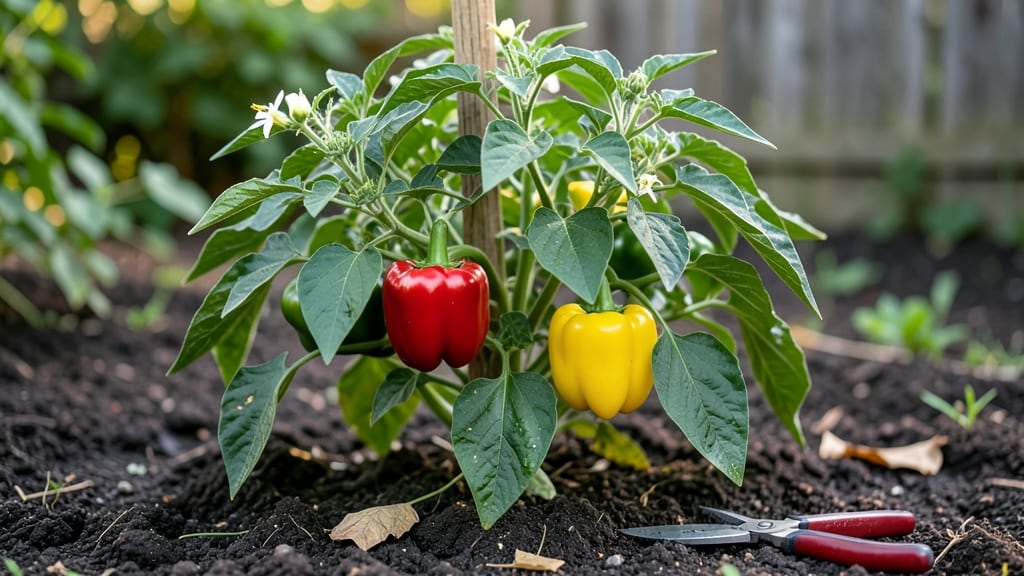
You should never give red pepper to your dog: even tiny amounts can trigger severe stomach upset, vomiting, or diarrhea because capsaicin—the compound that makes peppers spicy—is toxic to dogs. Spicy foods like hot peppers or chili should be completely avoided.
Capsaicin, the chemical that gives red peppers their heat, is far more dangerous to dogs than humans. 🔥 Their digestive systems can't handle it, leading to painful irritation, excessive drooling, or even respiratory distress in severe cases.
Even mild bell peppers contain enough capsaicin to cause problems, so it's best to keep all peppers—and spicy seasonings—far away from your pup's food bowl.
If your dog accidentally ingests red pepper or shows signs like pawing at their mouth, excessive drooling, or vomiting, contact your vet immediately. Prevention is key—opt for dog-safe seasonings like parsley or a sprinkle of plain cooked chicken instead. Always double-check ingredients when sharing human food with your pet!
💡 In This Article
- Why Red Pepper is Dangerous for Dogs
- Safe Alternatives to Spicy Foods for Dogs
Why red pepper is dangerous for dogs
Capsaicin—the compound responsible for the fiery kick in red peppers—is what makes them so hazardous to dogs. This chemical binds to their pain receptors 100 times more aggressively than in humans, creating intense burning sensations in their mouths, throats, and digestive tracts.
A single bite of a jalapeño (which contains about 2,500-8,000 Scoville Heat Units) can trigger immediate drooling, vomiting, and abdominal pain, while stronger peppers like habaneros (up to 350,000 SHU) can cause life-threatening reactions.
The problem isn't just the heat—capsaicin also irritates a dog's respiratory system, potentially leading to coughing, wheezing, or even difficulty breathing. 🔥 Unlike humans who can handle spicy foods by drinking water or milk, dogs lack the ability to metabolize capsaicin efficiently.
Their smaller body size means even trace amounts (like those found in seasoned dishes) can have disproportionate effects. For context, a 15-pound dog might experience toxicity from just 0.5 grams of capsaicin—roughly the amount in a single red pepper flake.
Symptoms often appear within 30 minutes to 2 hours after ingestion and may include excessive panting, pawing at the mouth, or diarrhea with blood. In severe cases, capsaicin can cause pancreatitis—a painful and potentially fatal inflammation of the pancreas.
The risk isn't limited to hot peppers either: even bell peppers (which contain 0-10 SHU) can cause mild gastrointestinal upset due to their natural compounds like solanine, which dogs process poorly.
What makes this especially concerning is how dogs often react instinctively. When they taste something spicy, they may lick their lips repeatedly or drink water frantically, which can worsen the irritation by spreading capsaicin throughout their digestive system.
Unlike humans who can "get used to" spice, a dog's tolerance doesn't improve—each exposure risks cumulative damage to their sensitive tissues. 💫
Veterinarians often compare capsaicin's effect on dogs to swallowing liquid fire. The chemical doesn't just cause pain—it triggers an inflammatory response that can last for days. Even if your dog seems fine initially, delayed symptoms like lethargy or loss of appetite can appear hours later.
This is why pet owners must treat all peppers and spicy foods as complete off-limits, regardless of how mild they seem to humans.
Consider this real-world example: A 10-pound Chihuahua accidentally ate a slice of pizza with jalapeños and required veterinary treatment for severe vomiting and dehydration.
The vet estimated the dog ingested enough capsaicin to cause equivalent pain levels of a human eating a ghost pepper—a pepper so hot it's measured at 1,041,427 SHU. This case highlights why even "small" exposures demand immediate attention.