
Picking
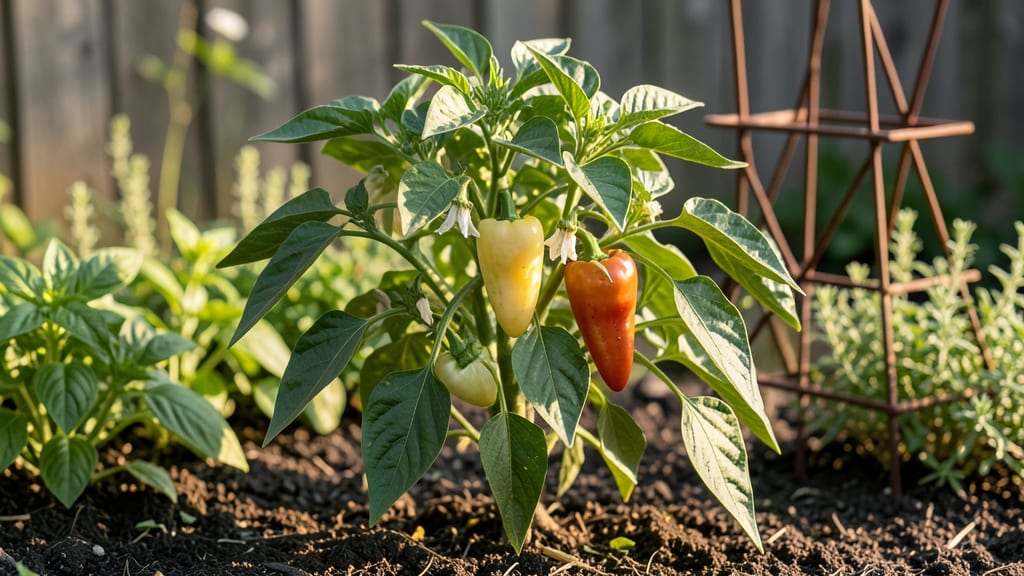
Growing Trinidad Scorpion Ghost Pepper from seed is like cultivating a tiny volcano in your garden—🌶️ the heat level (1.2-2 million Scoville units) demands respect, but the reward is unmatched fiery flavor.
I’ve grown both varieties, and while Ghost Peppers produce more fruit, the Scorpion’s punch is legendary. The key? Patience and precision, because these plants don’t forgive mistakes.
Start with fresh seeds in a warm, humid environment—think 75-85°F—and expect germination in 2-4 weeks. They crave full sun (6+ hours daily), well-draining soil with a pH of 5.8-6.5, and consistent moisture (but never soggy).
A 5-gallon pot works for early growth, but they’ll outgrow it fast—plan for 2-3 feet of space by harvest time.
By mid-summer, you’ll see those telltale white flowers, followed by small, wrinkled peppers that start green and ripen to red, orange, or yellow. The first harvest arrives 90-120 days after transplanting, but full production takes 6-8 months.
Handle with gloves—the oils cause severe burns—and store dried peppers in airtight containers for maximum heat retention.
Common pitfalls? Overwatering (root rot) and inconsistent heat (stunted growth). If your plants look leggy, they need more light; if flowers drop, they’re thirsty.
With the right care, you’ll end up with peppers so potent they’ll make your mouth tingle for hours—and your neighbors will either admire your courage or avoid your kitchen entirely.
📚 In This Guide
- What you need
- Instructions
- Tips and common mistakes
- Wrapping up and next steps
What you need
- ● Seeds: 5–10 Trinidad Scorpion and 5–10 Ghost Pepper seeds (ensure they’re fresh and high-quality for best germination).
- ● Growing Containers: 12–18" diameter pots (3–5 pots total) with drainage holes. Fabric grow bags or plastic nursery pots work well.
- ● Potting Mix: 10–15 lbs of well-draining cactus/succulent mix (avoid garden soil—it retains too much moisture).
- ● Grow Lights: 1–2 full-spectrum LED grow lights (12–14 hours/day) for indoor setups.
- ● Fertilizer: Balanced organic fertilizer (e.g., 5-5-5 or 10-10-10) or a pepper-specific nutrient mix.
- ○ Heat Mat (Optional but Helpful): A seedling heat mat (70–85°F range) to boost germination.
- ● Spray Bottle: For misting seeds during germination.
- ● Pruning Shears: Sharp, clean shears for trimming.
- ● Glove: Heat-resistant gloves (trust us—you’ll need them when handling mature peppers!).
- ● Humidity Dome or Plastic Wrap: To retain moisture during germination.
- ● pH Meter: To test soil pH (ideal range: 6.0–6.8).
- ● Calcium Supplement: (e.g., calcium nitrate) to prevent blossom-end rot.
- ● Support Stakes or Cages: For taller plants (especially Ghost Peppers).
- ● Fan: A small oscillating fan for airflow (reduces mold risk).
- ● Journal/Notebook: To track growth stages, watering, and fertilizer schedules.
Step-by-step instructions for growing Trinidad Scorpion and Ghost peppers
Here's how to cultivate two of the world's hottest peppers from seed to harvest.
🌱 Step 1: Start Seeds Indoors with Warmth and Patience
Trinidad Scorpion and Ghost peppers thrive best when started indoors 8-10 weeks before your last frost date. Use biodegradable seed pots (3-4 inches deep) filled with sterile seed-starting mix—never garden soil, as it can harbor pathogens that kill delicate seedlings. Moisten the mix until it holds together when gently squeezed, then press it down lightly to create a firm, even surface.
Plant 2-3 seeds per pot at a depth of ¼ inch, just below the soil surface. Cover them with a thin layer of additional mix and mist gently with water until the surface is evenly damp. Place the pots in a seedling heat mat set to 80-85°F—these peppers need warmth to germinate, and cooler temperatures will delay or prevent sprouting entirely. Keep the soil consistently moist but never soggy, as excess water triggers damping-off disease.
Germination typically takes 10-20 days, but don’t be surprised if it takes longer—these peppers are finicky. Once the first true leaves appear (the second set after the initial cotyledons), thin to the strongest seedling per pot. This ensures the remaining plant has enough energy to grow strong and healthy, not crowded and weak.
☀️ Step 2: Provide Bright Light and Prevent Leggy Growth
As soon as the seedlings emerge, move them under grow lights positioned 2-3 inches above the plants. Trinidad Scorpion and Ghost peppers need 14-16 hours of light daily, and natural sunlight alone rarely provides enough intensity. Without sufficient light, seedlings stretch toward the source (called "legginess"), resulting in weak stems that can’t support the heavy fruit later.
Watch for compact, dark green leaves and short internodes (the distance between leaves) as signs of proper light. If seedlings grow tall and spindly with large gaps between leaves, your light is too far away—adjust it immediately. Rotate the pots a quarter turn daily to encourage even growth and prevent leaning. Avoid cold drafts, as these peppers are sensitive to temperature fluctuations.
Once seedlings have 4-5 true leaves (about 6-8 weeks after sowing), they’re ready for their first balanced fertilizer application. Use a half-strength liquid fertilizer (like 10-10-10) to avoid burning the tender roots. This jumpstarts their growth without overwhelming them, setting the stage for robust plants.
🪴 Step 3: Transplant Outdoors After Hardening Off
Two weeks before your last frost date, begin hardening off the seedlings by placing them outside in a sheltered, shaded spot for 1-2 hours the first day. Gradually increase their outdoor time by 1 hour daily, moving them to morning sun first before transitioning to full sun. This acclimates them to wind, sunlight, and temperature shifts without shock.
Choose a sunny location with well-draining soil—these peppers hate soggy roots. Amend the soil with compost to improve fertility and perlite or sand to enhance drainage. Plant seedlings 18-24 inches apart in rows 24-30 inches apart, giving them plenty of space to spread. Dig a hole slightly deeper than the pot and loosen the roots gently before placing the seedling in—this encourages root growth into the surrounding soil.
Water deeply after transplanting to settle the soil around the roots, but avoid wetting the leaves to prevent disease. Mulch with 2-3 inches of straw or wood chips to retain moisture, suppress weeds, and keep roots cool. Within 2-3 weeks, you’ll see new growth as the plants adjust to their permanent home.
✂️ Step 4: Maintain Heat, Fertility, and Pest Control
Trinidad Scorpion and Ghost peppers thrive in full sun (6-8 hours daily) and warm temperatures (75-90°F). If your summer nights dip below 60°F, consider using row covers or greenhouse fabric to protect the plants. These peppers are sensitive to cold, and exposure can stunt growth or even kill the plant.
Feed the plants every 2-3 weeks with a balanced fertilizer (like 10-10-10) during the growing season, but reduce to half-strength once flowers appear. Over-fertilizing leads to excessive foliage at the expense of fruit production. Prune any dead or yellowing leaves regularly to improve airflow and reduce disease risk. You’ll also want to remove suckers (the small shoots that form in the leaf axils) to direct energy toward fruit development.
Watch for aphids, spider mites, and whiteflies, common pests that thrive in hot, dry conditions. Spray plants with neem oil or insecticidal soap at the first sign of infestation—these peppers are delicate, and chemical pesticides can damage them. If birds become a problem (they love the peppers too!), cover the plants with fine netting once they start fruiting.
🌶️ Step 5: Harvest and Handle with Extreme Caution
Ghost peppers typically mature in 90-120 days, while Trinidad Scorpion peppers take 100-130 days. Harvest when the peppers reach their full size and color—Ghost peppers turn bright red, while Trinidad Scorpions mature to orange-red. Use thick gloves and long sleeves when handling, as the capsaicin (the compound that makes them hot) can cause skin irritation and even blisters.
Gently twist the pepper to detach it from the plant—don’t pull, as this can damage the stem. Store harvested peppers in a cool, dry place (like a pantry) for 2-3 weeks to dry fully. Once dried, they can be ground into powder or stored whole for later use. Remember: never touch your face or eyes after handling these peppers, and wash your hands thoroughly with soap and water afterward.
With patience and care, you’ll have a bountiful harvest of two of the world’s hottest peppers—just be prepared for the heat! These peppers are best used sparingly in cooking, as even a small amount can overwhelm a dish. Enjoy the thrill of growing them, but always handle them with respect.
Tips & tricks for growing fiery peppers
These insights will help you cultivate healthy, thriving Trinidad Scorpion and Ghost peppers from seed to harvest.
Germination Warmth: The 80-85°F heat mat temperature is non-negotiable for these peppers. I learned this the hard way after waiting weeks for germination at cooler temperatures. If your home stays below 75°F, consider using a small greenhouse or placing pots on top of your refrigerator to maintain consistent warmth. A simple infrared thermometer can verify your heat mat's actual temperature—some models run cooler than advertised.
Light Intensity Matters: When positioning your grow lights 2-3 inches above seedlings, remember these peppers need intense light to prevent legginess. I recommend using full-spectrum LED grow lights that mimic sunlight's spectrum. If you notice seedlings stretching toward the light with pale leaves, lower the lights immediately—even 1 inch can make a dramatic difference. Rotating pots daily ensures even growth, preventing lopsided plants that struggle to support heavy fruit later.
Hardening Off Strategy: The gradual 1-hour daily increase during hardening off is crucial, but don't rush this process. Start with morning sun exposure to avoid shocking tender seedlings with intense afternoon heat. I've seen plants collapse when moved directly to full sun. If your forecast predicts rain during hardening off, move plants to a sheltered spot—these peppers hate soggy roots and can develop fungal issues quickly.
Fertilizer Timing: The first fertilizer application at 6-8 weeks should be half-strength to avoid burning delicate roots. After that, maintain the 2-3 week schedule during growing season, but switch to half-strength again when flowers appear. Over-fertilizing at this stage leads to leafy growth at the expense of fruit production. I've found that organic fish emulsion works exceptionally well for these peppers, providing balanced nutrients without salt buildup.
Pro Tips for Trinidad Scorpion Ghost Pepper
- These insights will help you cultivate healthy, thriving Trinidad Scorpion and Ghost peppers from seed to harvest.
- Germination Warmth: The 80-85°F heat mat temperature is non-negotiable for these peppers. I learned this the hard way...
- Light Intensity Matters: When positioning your grow lights 2-3 inches above seedlings, remember these peppers need in...
Frequently asked questions
Got questions about growing and handling the Trinidad Scorpion Ghost Pepper? You’re not alone!
Here are some of the most common queries—plus expert answers to keep your fiery adventure on track.
How long does it take for Trinidad Scorpion Ghost Pepper seeds to germinate?
With the right conditions (warmth, humidity, and patience!), these seeds typically sprout in 10–20 days. Keep soil moist but not soggy, and maintain temperatures around 80–90°F (27–32°C). If germination takes longer, don’t panic—just check for mold or rot and adjust care.
Is Trinidad Scorpion Ghost Pepper harder to grow than other peppers?
Not necessarily! While it’s sensitive to cold, it thrives in hot, sunny climates (Zones 9–11) or greenhouses. The real challenge? Patience and protection. Use row covers early on, avoid overwatering, and watch for pests like aphids. With consistent care, it rewards growers with 1.5–2 million Scoville units of heat!
Can I use Trinidad Scorpion Ghost Pepper in cooking like regular peppers?
Absolutely—but with caution! Use tiny amounts (a pinch is often enough) in sauces, hot sauces, or dried powders. For fresh use, wear gloves and start with one small slice. Pair it with creamy bases (like yogurt or coconut milk) to tame the heat. Never eat it raw or in large quantities!
How do I know when Trinidad Scorpion Ghost Peppers are ready to harvest?
Harvest when peppers turn deep red or orange (about 90–120 days after transplanting). Gently twist or cut them—never pull to avoid damaging the plant. For maximum heat, let them ripen fully on the vine. Pro tip: Harvest in the morning for peak flavor and heat potency!
What do I do if I accidentally touch my skin and feel a burning sensation?
Wash your hands immediately with mild soap and cold water. Avoid rubbing your eyes! If irritation persists, apply a baking soda paste or dairy (like milk or yogurt) to neutralize capsaicin. Never use alcohol or oil—it binds to the heat compounds and worsens the burn.
Wrapping up and next steps
Growing Trinidad Scorpion and Ghost Pepper from seeds is a thrilling challenge that rewards patience with some of the world’s hottest peppers! 🌶️🔥 Whether you’re a seasoned gardener or a fiery beginner, these peppers bring excitement to your kitchen—and your bravery to the next level.
With the right tools, care, and a dash of daring, you’re now ready to cultivate these legendary plants.
So, what’s next? Start those seeds today! Grab your gloves, prep your pots, and let the heat grow—literally. Share your fiery harvest with fellow pepper enthusiasts or dare someone to take a bite! 😉