
Featured
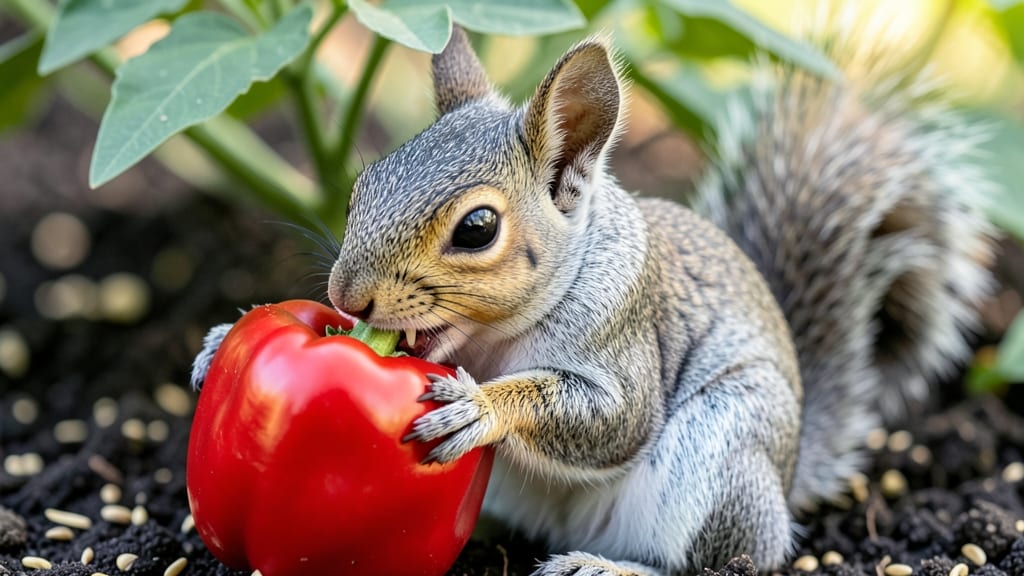
Squirrels can eat bell peppers in moderation, as they are non-toxic and provide vitamins A and C, but avoid feeding them spicy varieties or large quantities due to potential digestive upset or seed choking hazards.
Bell peppers are a safe, nutrient-packed snack for squirrels when offered correctly. 🌿 These colorful veggies deliver essential vitamins that support their immune system and hydration needs, especially during dry seasons. The key is to focus on the flesh—seeds and stems can pose choking risks or digestive issues.
I always recommend starting with small, seedless pieces, like 1-2 teaspoons at a time, to gauge their reaction before offering more.
For best results, choose mild varieties like red or yellow bell peppers, as spicy ones can irritate their sensitive digestive systems. 🔥 Always wash them thoroughly to remove pesticides or dirt, which can harm squirrels.
Introduce bell peppers gradually to avoid disrupting their natural diet—think of it as a supplement rather than a staple.
💡 In This Article
- Nutritional Value of Bell Peppers for Squirrels
- Safe Ways to Feed Bell Peppers to Squirrels
Nutritional value of bell peppers for squirrels
Bell peppers offer squirrels a powerhouse of nutrients, particularly vitamin C (up to 190mg per 100g) and vitamin A (from beta-carotene), which support their immune systems and vision. 🌈 The high water content—about 92%—also helps maintain hydration, especially during dry seasons when natural water sources may be scarce.
Unlike processed human snacks, bell peppers provide natural sugars and fiber that squirrels can metabolize efficiently, making them a healthier alternative to sugary treats.
The flesh of bell peppers is the safest part for squirrels, as it's soft and easy to digest.
However, the seeds and membranes contain small amounts of capsaicin (even in mild varieties), which can cause mild stomach upset if consumed in large quantities. 🐿️ Red bell peppers, for example, have 0.0003% capsaicin by weight—negligible for humans but potentially irritating to a squirrel's sensitive digestive tract.
The skin is also edible but slightly tougher; young squirrels may struggle with it, while adults can handle small pieces.
Moderation is critical because bell peppers lack the balanced protein and fat squirrels get from nuts or seeds. Overfeeding can lead to digestive upset or diarrhea, disrupting their natural diet. Think of it like a vitamin supplement: a 1-inch cube (about 10g) is plenty for a single serving.
Too much can also attract squirrels to human food sources, encouraging dependency on unnatural snacks.
Bell peppers also contain folate and potassium, which aid in muscle function and nerve signaling—essential for active squirrels. The natural sweetness makes them appealing, but their low calorie count (30 calories per 100g) means they shouldn't replace high-energy foods like nuts.
For comparison, a 1-inch cube of bell pepper provides roughly 3 calories, while an acorn delivers 150 calories—showing why variety is key in their diet.
Seasonal availability matters too. In summer, fresh bell peppers are abundant, but in winter, squirrels rely more on stored nuts. Offering bell peppers as a seasonal treat can bridge nutritional gaps without overloading their systems. Always pair with natural foraging opportunities to maintain their wild instincts. 🌿
One often-overlooked benefit is the antioxidant content in bell peppers, which helps neutralize free radicals in squirrels' bodies. The deep red variety, for instance, contains lycopene, a compound linked to reduced inflammation.
However, these benefits are maximized when bell peppers are fed fresh—not wilted or spoiled, which can introduce harmful bacteria like E. coli.