
Picking
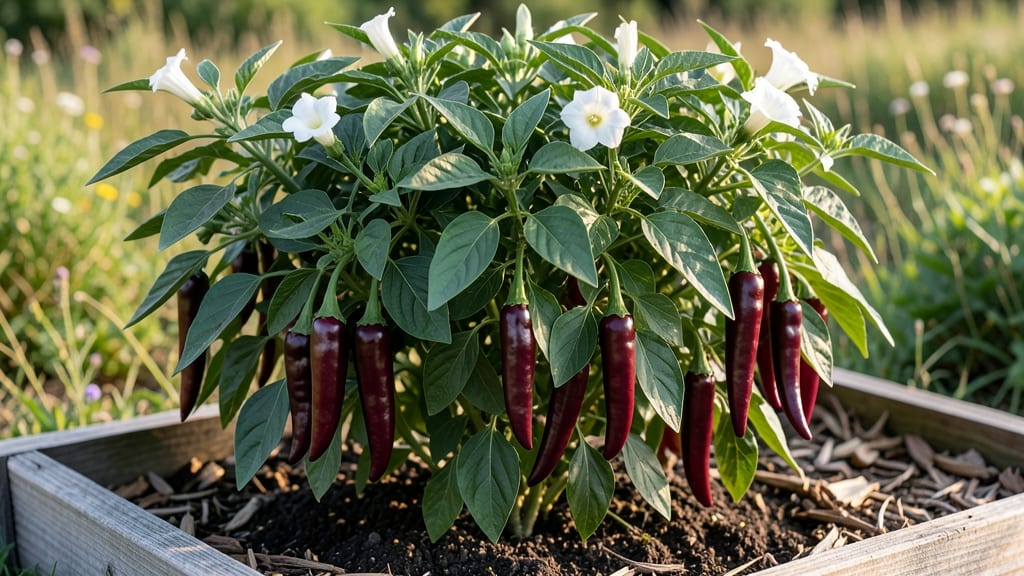
Growing dragon's tongue pepper starts with a single seed that could turn your patio into a fiery little garden. 🌱 This heat-loving pepper thrives in containers, producing glossy purple leaves and mild, fruity peppers that beginners can't kill—once you know the right tricks.
The secret? Matching its tropical roots with warm soil, bright light, and consistent moisture. I've grown mine in 5-gallon pots on my balcony, and even during 90°F summers, the plants stay lush and productive. The key is avoiding soggy soil while keeping roots cool.
By midsummer, you'll harvest peppers that add color and mild heat to dishes, plus those striking purple leaves that make the plant a conversation piece. Prune regularly to encourage bushier growth, and watch as the plant rewards you with continuous harvests all season.
Works perfectly in containers, hanging baskets, or even as a striking houseplant when temperatures dip. Here's how to keep it thriving from seed to harvest."
📚 In This Guide
- What you need
- Instructions
- Tips and common mistakes
- Wrapping up and next steps
What you need
- ● Dragon’s Tongue pepper seeds – 3–5 seeds (or 1–2 plants if buying seedlings)
- ● Containers – 5–10 gallon pots with drainage holes (or fabric grow bags)
- ● High-quality potting mix – Well-draining, organic blend (avoid garden soil)
- ● Slow-release fertilizer – Balanced (10-10-10 or 5-5-5) or organic options like worm castings
- ● Grow lights or sunny spot – 6+ hours of direct sunlight daily (or LED grow lights for indoor setups)
- ● Watering can or spray bottle – With a gentle nozzle to avoid disturbing seedlings
- ● Plant labels & markers – To track varieties (Dragon’s Tongue loves heat, but labeling helps!)
- ● Heat mat – For germinating seeds faster (70–85°F ideal)
- ● Cactus/succulent mix – For extra drainage if your area gets soggy
- ● Trellis or stakes – To support plants as they grow (though Dragon’s Tongue is compact)
- ● Calcium supplement – Like crushed eggshells or calcium nitrate to prevent blossom-end rot
- ● Humidity dome or plastic wrap – For seedling protection until sprouts appear
Step-by-step instructions for growing dragon's Tongue peppers in containers
Here's how I grow this fiery beauty—bold, heat-resistant, and perfect for small spaces.
🌱 Step 1: Start Seeds Indoors 8-10 Weeks Before Last Frost
Fill 2-3 inch deep seed trays with sterile seed-starting mix, keeping it lightly moist but not soggy. Dragon's Tongue peppers need warmth to germinate, so place the tray on a seedling heat mat set to 75-85°F. I like to cover the tray with plastic wrap to retain humidity until germination.
Plant seeds ¼ inch deep—too shallow and they won't germinate; too deep and they'll struggle to break through. Space them 1 inch apart in the tray. You'll see sprouts in 7-14 days, but don't be surprised if it takes longer in cooler rooms. Once they emerge, remove the plastic wrap immediately to prevent damping-off.
☀️ Step 2: Provide Bright Light and Fertilize Young Plants
Dragon's Tongue peppers need 14-16 hours of light daily from the moment they sprout. A south-facing window won't cut it—supplement with a grow light positioned 2-4 inches above the seedlings. You'll know they're getting enough light when the stems are thick and leaves are dark green, not pale or stretched.
When the first true leaves appear (not the initial cotyledons), fertilize with a balanced liquid fertilizer diluted to half strength. I fertilize every 2 weeks to encourage strong root and foliage growth. Watch for any signs of legginess—if stems grow too tall and thin, move the light closer or increase daylight exposure.
🪴 Step 3: Transplant to Containers When Seedlings Are 4-5 Inches Tall
Choose 5-gallon containers with drainage holes for each plant—Dragon's Tongue peppers need room to grow and produce heavy fruit. Fill them with a mix of 50% potting soil and 50% compost to ensure good drainage and nutrient availability. Transplant seedlings carefully, burying them just slightly deeper than they were in the tray.
Water thoroughly after transplanting to settle the soil and remove any air pockets around the roots. Place the containers in a spot with full sun (6+ hours daily), but protect them from harsh afternoon sun if temperatures exceed 90°F. You'll see new growth within 1-2 weeks if everything is right—look for fresh leaves and sturdy stems.
💧 Step 4: Maintain Consistent Watering and Fertilizing Through the Season
Dragon's Tongue peppers are drought-tolerant once established, but they need 1-1.5 inches of water weekly during fruiting. Water at the base of the plant in the morning to allow foliage to dry out, reducing the risk of disease. Let the top 1-2 inches of soil dry out between waterings—overwatering leads to blossom-end rot or root rot.
Fertilize every 4 weeks with a balanced fertilizer (10-10-10 or similar) to support fruit production. You'll know your plants are thriving when they produce white flowers followed by small green peppers. Prune any suckers (side shoots) that form in the leaf axils to direct energy toward fruit production rather than foliage.
✂️ Step 5: Harvest and Prune for Continuous Production
Dragon's Tongue peppers turn red when fully ripe, but you can harvest them at any stage for a milder heat. Use pruning shears to snip the peppers at the stem, leaving a small portion attached. Harvesting encourages more fruit to form, so check plants every 3-5 days during peak production.
Toward the end of the season, prune back any remaining foliage to clean up the plant. If your climate allows, you can overwinter Dragon's Tongue peppers indoors with 6+ hours of light daily and continue harvesting. Otherwise, save seeds from the ripest peppers for next year's crop—just let them dry completely on the plant before storing.
Tips & tricks for growing dragon's Tongue peppers in containers
Here's what I wish I knew before growing these fiery beauties—small details that make all the difference.
Germination Warmth: That 75-85°F heat mat is non-negotiable for Dragon's Tongue seeds. I learned this the hard way after struggling with germination in cooler rooms. If you don't have a heat mat, place the tray on top of your fridge or near a sunny window with a small space heater nearby. The key is consistent warmth—these seeds won't sprout if they're chilly.
Lighting Strategy: Those 14-16 hours of light aren't just about duration—they're about intensity. I use LED grow lights on a timer, but even a strong fluorescent bulb works if positioned just 2-3 inches above the seedlings. Watch for leaves stretching toward the light (legginess)—this means they need more intensity or you need to move the light closer.
Container Selection: Don't skimp on container size! While 5-gallon pots are ideal, I've seen Dragon's Tongue plants struggle in smaller containers. These peppers develop heavy fruit, and their roots need room to spread. If you're limited to smaller pots, choose ones with at least 3 gallons capacity and add extra compost to improve drainage.
Heat Management: When temperatures exceed 90°F, these peppers can get stressed. I've found that providing afternoon shade with a simple shade cloth (30-50% coverage) helps maintain fruit quality. You'll notice the difference in pepper size and heat intensity when you protect them from peak sun during hot spells.
Pro Tips for Dragon'S Tongue Pepper
- Here's what I wish I knew before growing these fiery beauties—small details that make all the difference.
- Germination Warmth: That 75-85°F heat mat is non-negotiable for Dragon's Tongue seeds. I learned this the hard way af...
- Lighting Strategy: Those 14-16 hours of light aren't just about duration—they're about intensity. I use LED grow ligh...
Frequently asked questions
How long does it take for Dragon’s Tongue peppers to mature and produce fruit?
Dragon’s Tongue peppers typically take 75–90 days from transplanting to produce mature peppers, depending on your climate and growing conditions. In warmer regions, you might see early fruit in as little as 60–70 days. Patience is key—these heat-lovers need time to establish strong roots before blooming!
Why are my Dragon’s Tongue peppers turning yellow or dropping flowers?
Yellowing peppers or flower drop usually signal stress. Common culprits include:
- Overwatering (keep soil slightly dry between waterings)
- Temperature swings (ideal range: 70–85°F; avoid below 50°F)
- Nutrient deficiencies (feed with balanced fertilizer every 4–6 weeks)
Can I grow Dragon’s Tongue peppers in containers, and what size pot do I need?
Dragon’s Tongue peppers thrive in containers—just choose a pot at least 12–18 inches deep with drainage holes. A 5-gallon bucket works well for one plant, and use a lightweight, well-draining potting mix (like 60% potting soil + 40% perlite/coco coir). Place pots in full sun (6+ hours/day) for best results.
How do I handle extreme heat or drought with Dragon’s Tongue peppers?
These peppers are heat-tolerant, but they still need care in scorching conditions:
- Water deeply 2–3 times per week (early morning or evening)
- Mulch around the base to retain moisture
- Avoid overhead watering to prevent fungal issues
- Provide shade cloth (30–50%) if temps exceed 95°F
What are some milder alternatives if Dragon’s Tongue peppers are too spicy?
If you love the flavor but want less heat, try these milder but still flavorful varieties:
- Lunchbox Pepper (mild, sweet, great for snacking)
- Apache Pepper (medium heat, fruity taste)
- Shishito Pepper (90% mild, perfect for stir-fries)
- Poblano Pepper (earthy, slightly sweet, roasts beautifully)
Wrapping up and next steps
Growing Dragon’s Tongue pepper is a rewarding adventure for both novice and seasoned gardeners—its heat resistance and bold flavor make it a standout choice, especially in containers! 🌱 With the right soil, sunlight, and care, you’ll soon be harvesting fiery peppers to elevate your dishes.
Whether you’re drawn to its striking appearance or its culinary potential, this variety proves that even small spaces can yield big rewards.
Ready to take the next step? Start with a single plant this season, experiment with growing conditions, and watch your confidence (and pepper yield!) grow. Happy gardening—and may your harvest be spicy and plentiful! 🔥