
Planting
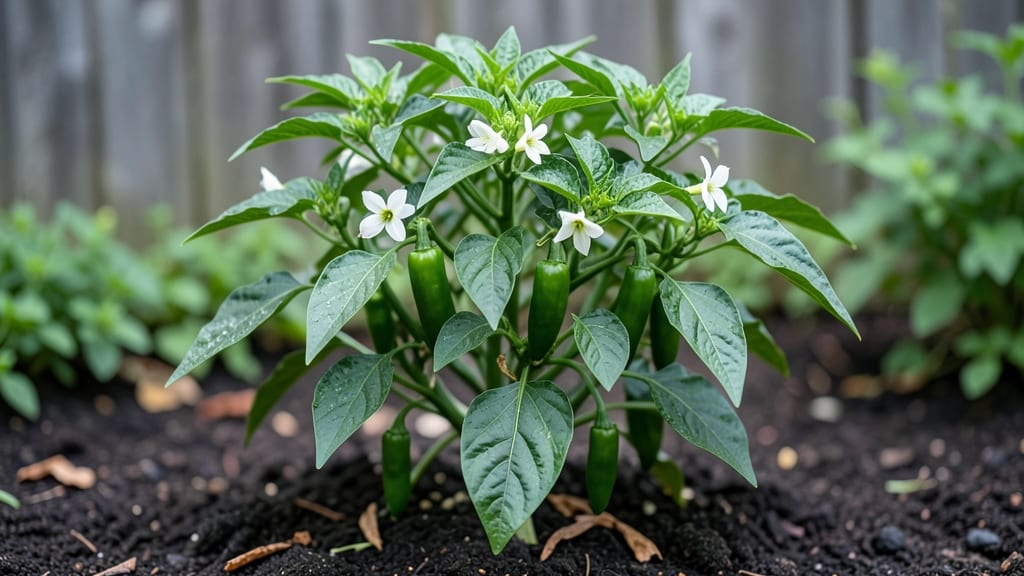
Your habanero pepper plant’s leaves turning yellow are screaming for help—before they drop entirely. 🌱 I’ve nursed back more than a dozen scorched habaneros, and the fix always starts with checking three critical factors: water, light, and soil.
The good news? Most cases are reversible with simple adjustments, and you’ll see fresh green growth within days if you act fast.
Start by examining the leaves: crispy edges mean underwatering, soft yellow patches signal overwatering, and pale green spots? That’s likely nutrient deficiency or too much direct sun. Grab a trowel, a spray bottle, and a pair of pruners—those are your only tools.
The key is balancing moisture (keep soil damp but not soggy) and light (morning sun only, or dappled shade in hot climates).
Within a week, you’ll notice new leaves emerging with vibrant color, and the plant will start redirecting energy to fruit production instead of struggling to survive. The real payoff?
A habanero bush that’s not just alive but thriving, ready to produce those signature fiery peppers by midseason. Here’s exactly how to diagnose and fix each issue.
This works for both potted plants and in-ground beds, and the same principles apply whether you’re growing in Zone 8 heat or a cooler greenhouse. Let’s get those leaves back to their fiery best—your next harvest depends on it.
📚 In This Guide
- What you need
- Instructions
- Tips and common mistakes
- Wrapping up and next steps
What you need
- ● Habanero pepper plant (potted or in-ground, showing signs of yellowing leaves)
- ● Well-draining potting mix (1–2 gallons, or garden soil amended with compost if planting outdoors)
- ● Balanced liquid fertilizer (e.g., 10-10-10 or 20-20-20, 1–2 tbsp per gallon of water)
- ● pH testing kit (to check soil acidity, ideal range: 6.0–7.0)
- ● Pruning shears or clean scissors (sterilized with rubbing alcohol)
- ● Watering can or hose with a gentle spray nozzle
- ● Organic mulch (e.g., straw or shredded leaves, 1–2 inches thick)
- ○ Fungicide (optional but helpful) (e.g., neem oil or copper-based spray for fungal issues)
- ● Grow lights or sunlight meter (to ensure 6–8 hours of direct sunlight daily)
- ● Calcium supplement (e.g., crushed eggshells or lime, for nutrient deficiencies)
- ● Humidity tray or pebble tray (to maintain 40–60% humidity)
- ● Plant support stake (if your habanero is tall and leggy)
- ● Journal or notebook (to track watering, fertilizing, and leaf changes)
How to revitalize yellowing habanero pepper leaves
Here's how I nurse back to health even the most wilted habanero plants—no fancy tools, just smart care.
💧 Step 1: Check and Adjust Watering Habits
Yellow leaves on habaneros usually mean overwatering or inconsistent moisture. Stick your finger 1 inch deep into the soil—if it feels damp, hold off on watering. Habaneros need soil to dry slightly between waterings, especially in pots where roots can't spread far.
Water deeply when the top inch is dry, soaking until water runs out the drainage holes. I use a 5-gallon watering can to ensure thorough saturation. Yellowing often starts at the bottom leaves first—this is the plant's way of saying "I'm drowning." Adjust your schedule based on your climate: twice weekly in summer heat, once every 5-7 days in cooler months.
☀️ Step 2: Optimize Light Exposure
Habaneros crave full sun—6+ hours daily, but too much direct afternoon sun can scorch leaves, causing yellowing. If your plants are near a south-facing window, rotate them quarter turn weekly so they grow evenly. You'll see leaves perk up within days of proper light.
If natural light isn't enough, supplement with a grow light positioned 12 inches above the plant for 14 hours daily. Look for yellowing that starts with crispy edges—this is sunburn. Move the plant to a spot with morning sun and afternoon shade, or provide afternoon shade cloth if outdoors. The goal is bright, indirect light for the hottest part of the day.
🌿 Step 3: Feed and Prune for Recovery
Yellowing leaves often signal nutrient deficiency. Feed your habanero with a balanced liquid fertilizer (10-10-10) diluted to half strength every 2-3 weeks during growing season. I mix it in a 1-gallon spray bottle for precise application. Avoid over-fertilizing—salty buildup causes yellowing too.
Prune away the worst yellowed leaves at the base with clean scissors. This improves airflow and redirects energy to new growth. Focus on removing leaves that are 50% yellow or more. If you see yellowing paired with blackened stems, your plant may have bacterial spot—remove infected leaves immediately and treat with copper fungicide. Healthy new leaves should appear within 2-3 weeks of proper care.
⏰ Step 4: Monitor and Prevent Future Issues
Keep a log of your plant's progress. Note when leaves yellow, what the weather was like, and how you adjusted care. Habaneros are sensitive to temperature swings—keep them between 70-90°F. If nights dip below 60°F, move them indoors or use a heat lamp.
Mulch around the base with 2 inches of organic mulch to retain moisture and regulate soil temperature. This prevents the extreme fluctuations that trigger stress-related yellowing. Check the undersides of leaves weekly for pests like spider mites—tiny yellow specks on leaves often mean an infestation. Treat with neem oil if you spot webbing or tiny moving dots.
Tips & tricks for reviving habanero pepper foliage
Here's what nobody tells you about bringing those droopy habanero leaves back to life—these tricks saved my own struggling plants.
Soil Test First: Before adjusting water, do a simple soil test in Step 1. Press your finger 1 inch deep—if it feels damp, wait 2-3 days before watering again. I learned this the hard way after losing three plants to root rot. Yellowing at the bottom leaves is the first sign of overwatering, so don't water until the top inch feels completely dry. For container plants, this check is especially critical since they dry out faster.
Light Rotation Secret: In Step 2, when rotating your plants quarter turn weekly, pay attention to which side gets the most direct sun. I mark my pots with a small sticker to track sun exposure. If you notice crispy yellow edges after moving, you've got sunburn—immediately shift to morning sun only. The 14-hour grow light rule works best when positioned 12 inches above, but angle it slightly to avoid direct overhead light that can scorch.
Fertilizer Timing: When feeding in Step 3, I split the 2-3 week schedule into monthly applications during peak growing season (spring-summer) and reduce to monthly in fall. The half-strength 10-10-10 mix prevents salt buildup that causes yellowing. Pro tip: Flush the soil with plain water after fertilizing to prevent accumulation. And always use a spray bottle for even distribution—never pour fertilizer directly on leaves.
Pruning Precision: When removing 50%+ yellowed leaves in Step 3, cut at the base where the leaf meets the stem. I use sterilized scissors dipped in rubbing alcohol between cuts to prevent bacterial spread. For severely infected plants, bag the removed leaves and dispose of them immediately. The goal is to redirect energy to new growth—you'll see fresh leaves emerging from the main stem within 2-3 weeks if you've caught it early enough.
Pro Tips for Habanero Pepper Plant Leaves
- Here's what nobody tells you about bringing those droopy habanero leaves back to life—these tricks saved my own strug...
- Soil Test First: Before adjusting water, do a simple soil test in Step 1. Press your finger 1 inch deep—if it feels d...
- Light Rotation Secret: In Step 2, when rotating your plants quarter turn weekly, pay attention to which side gets the...
Frequently asked questions
Why are my habanero pepper plant leaves turning yellow?
Yellowing leaves (chlorosis) often signal nutrient deficiencies—especially nitrogen, magnesium, or iron—or overwatering. Check soil moisture and adjust watering. Test soil pH (ideal: 6.0–7.0) and amend with compost or organic fertilizer if needed. Pro tip: Yellow edges? Likely overwatering; yellow between veins? Nutrient deficiency.
How quickly should I see improvement after fixing yellow leaves?
With proper care (balanced fertilizer, adjusted watering, and ideal sunlight), you may notice new growth in 1–2 weeks. Existing yellow leaves won’t revert but will fall naturally. Focus on preventing further stress—habanero plants are resilient but thrive with consistency!
Can I save a habanero plant with mostly yellow leaves?
Yes! Prune severely yellowed leaves to redirect energy to healthy growth. Repot if roots are crowded, and ensure it gets 6+ hours of sunlight daily. If the stem is mushy or black, the plant may be beyond saving—but start fresh with cuttings or seeds!
What can I use instead of fertilizer for habanero leaves?
Try organic alternatives like compost tea, fish emulsion, or banana peels (for potassium). Eggshells (crushed) add calcium, and coffee grounds boost nitrogen. Dilute liquid options to half-strength to avoid burning roots. Pro tip: Rotate methods to balance nutrients naturally.
Will yellow leaves affect my habanero peppers’ heat or flavor?
Not directly! Peppers develop heat and flavor based on genetics and maturity, not leaf color. However, stressed plants may produce fewer peppers. Focus on reviving the plant—healthy foliage ensures better yields and vibrant red/orange peppers when ripe.
Wrapping up and next steps
Caring for your habanero pepper plant leaves is all about patience, observation, and timely action—just like nurturing any fiery friend in your garden! 🌱 With the right tools, a keen eye for early signs of distress, and a few simple fixes, you can bring back that vibrant green and keep your peppers thriving. Your next step? Start small: pick one plant to monitor closely, and soon, you’ll be troubleshooting like a pro.
Remember, every gardener faces challenges—but every challenge is also an opportunity to learn. Happy growing, and may your habaneros burn bright (both in flavor and foliage)! 🔥