
Picking
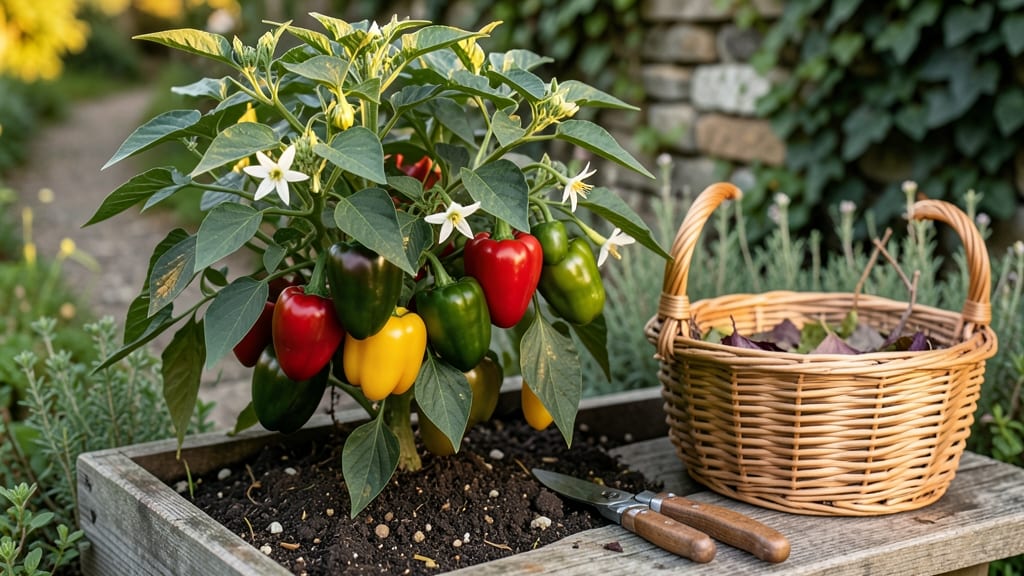
Bell peppers produce their sweetest, crispest harvest when you time it just right—and I’ve learned the hard way that patience pays off. 🌿 The moment a pepper reaches full color (red, yellow, or green) and feels firm to the touch, it’s ready for picking.
My first year, I pulled them too early, sacrificing flavor for quantity—and now I never make that mistake again.
Here’s the secret to maximizing your harvest: consistent picking keeps plants producing. Snip peppers at the stem (never twist) to avoid damaging the plant, and check daily once they start coloring.
A single plant can yield 10-20 peppers per season if you stay on top of it—my largest jalapeño bush gave me 25 last summer, and the flavor was off the charts.
Peak season runs from mid-summer to fall, but with the right care, you can stretch it later. Keep plants warm (above 60°F), water deeply but not soggy, and fertilize lightly with compost every few weeks.
The payoff? Jewel-toned peppers that burst with crisp texture and sweetness—far better than store-bought.
For beginners, start with 2-3 plants (they need space) and focus on sunlight—at least 6-8 hours daily. Avoid overwatering (peppers hate wet feet) and prune suckers (those little shoots between stems) to direct energy to fruit. With these tweaks, your harvest will be neighbor-jealousy levels of productive.
📚 In This Guide
- What you need
- Instructions
- Tips and common mistakes
- Wrapping up and next steps
What you need
- ● Garden shears or pruning snips – Sharp, clean tools to avoid damaging the plant or pepper. (2-3 pairs recommended if harvesting multiple plants.)
- ○ Gloves (optional but handy) – Protect your hands from thorns or rough stems. (Nitrile or gardening gloves work great!)
- ● Harvest basket or container – A sturdy, breathable container (like a mesh bag or cardboard box) to prevent bruising. (Avoid plastic—it traps moisture!)
- ○ Water spray bottle (optional but useful) – For lightly misting peppers if they’re dusty or dirty.
- ● Labeling tags or markers – If saving seeds or tracking varieties, use waterproof labels.
- ● Mature bell pepper plants – Plants should be at least 60-90 days old (depending on variety) with firm, glossy peppers.
- ● Sunny, dry conditions – Harvest on a mild morning to avoid wilting. Avoid harvesting after rain.
- ● Knowledge of pepper ripeness – Peppers are ready when they’re firm, glossy, and vibrant (green, red, yellow, orange, or purple).
- ● Knee pads or stool – For comfort if harvesting from large plants or raised beds.
- ● Small hand trowel – For gently loosening soil around the base if needed.
- ● Food-safe sanitizer (e.g., diluted vinegar) – To wipe down tools between harvests.
- ● Camera or phone – Capture the harvest for your gardening journal!
Instructions for harvesting bell peppers at peak flavor
Here’s how I time harvests to keep plants productive—and your peppers bursting with flavor.
🌿 Step 1: Identify the Perfect Ripeness Stage
Bell peppers reach peak flavor when fully mature for their variety. Green peppers should be glossy and firm, while red, yellow, or orange peppers develop deep, vibrant color and slightly softer skin. Run your thumb over the shoulder (where stem meets fruit)—it should yield slightly but not feel mushy.
Harvesting too early locks in bitterness, while waiting too long risks overripe, mealy flesh. Check peppers every 3-5 days during peak production. Morning harvests prevent afternoon heat stress on the plant.
✂️ Step 2: Use the Right Tools and Technique
Snip peppers with clean, sharp scissors or pruners to avoid tearing the stem. Cut ¼ inch above the fruit shoulder—this prevents disease entry points. Never pull peppers from the vine, as this can damage the plant and leave unsightly scars.
Wear gloves if your skin is sensitive—pepper stems contain mild irritants. I like to harvest into a basket lined with a towel to cushion delicate fruits and prevent bruising.
☀️ Step 3: Maintain Plant Health After Harvesting
After removing peppers, inspect the plant for pests or disease. Prune any yellowing leaves or damaged stems immediately to redirect the plant’s energy. Water deeply at the base within 24 hours—this replenishes moisture lost during harvest and prevents stress.
Peppers are heavy feeders, so I add a balanced liquid fertilizer (like 10-10-10) to the soil after every 5-7 harvests. This keeps the plant robust for continued production.
🌱 Step 4: Store and Use Peppers Immediately
Peppers continue ripening slightly after harvest, but their flavor peaks at the vine. Store unripe peppers in the fridge for 5-7 days—they’ll soften but won’t improve in sweetness. For peak flavor, use peppers within 2-3 days of harvesting.
Slice thick-skinned varieties (like Banana peppers) and freeze them in bags for later use. Thin-skinned peppers (like Jalapeños) are best fresh or lightly cooked—freezing them can turn them mushy.
📅 Step 5: Time Your Final Harvest for Season’s End
As temperatures drop below 50°F, bell pepper plants slow production. Harvest all remaining peppers before the first frost, even if underripe. The plant’s energy shifts to seed production, and any remaining fruits will become tough and bitter.
After the final harvest, compost the plant (unless disease-free, in which case save seeds). Mark your calendar for next season—bell peppers thrive in warm soil, so start seeds 8-10 weeks** before the last frost date.
Tips & tricks for perfect bell pepper harvesting
Mastering the art of pepper harvesting transforms your garden into a flavor factory—here’s how to elevate every harvest.
Ripeness Check: The thumb test is your secret weapon. In Step 1, when you run your thumb over the pepper’s shoulder, it should feel slightly firm but yield under gentle pressure. Green peppers should be glossy, while colored varieties develop a vibrant hue and slightly softer skin. I’ve learned the hard way—overripe peppers turn mealy, and underripe ones stay bitter. Check every 3-5 days during peak season, always in the morning when plants are hydrated and cool.
Tool Precision: Step 2’s cutting technique makes all the difference. Use clean pruners or scissors and cut ¼ inch above the fruit shoulder—this prevents disease while preserving plant health. I keep a small basket lined with a towel nearby to catch peppers gently. Pro tip: Wear gloves if your skin is sensitive—those pepper stems pack a mild irritant punch. Never pull peppers from the vine, as this can damage the plant and leave ugly scars that invite pests.
Post-Harvest Care: After harvesting, your plant needs immediate attention. In Step 3, water deeply within 24 hours to replenish moisture lost during harvest. I also inspect for pests or disease right away—pruning yellowing leaves redirects the plant’s energy to fruit production. Feed your peppers with a balanced fertilizer like 10-10-10 after every 5-7 harvests. This keeps them producing like champs, especially during hot summer months.
Storage Wisdom: Step 4 reveals the truth about pepper storage. While peppers continue ripening slightly after harvest, their flavor peaks at the vine. Thin-skinned varieties like Jalapeños lose their crunch when frozen, so use them fresh within 2-3 days. Thick-skinned Banana peppers? They freeze beautifully when sliced. For fridge storage, keep unripe peppers for 5-7 days, but don’t expect flavor improvements—just softer texture. The key is timing: harvest when peppers are at their sweetest, then use them immediately for maximum impact.
Pro Tips for Bell Peppers Produce
- Mastering the art of pepper harvesting transforms your garden into a flavor factory—here’s how to elevate every harvest.
- Ripeness Check: The thumb test is your secret weapon. In Step 1, when you run your thumb over the pepper’s shoulder, ...
- Tool Precision: Step 2’s cutting technique makes all the difference. Use clean pruners or scissors and cut ¼ inch abo...
Frequently asked questions
Got questions about harvesting bell peppers at their peak?
You’re not alone! Here are answers to the most common queries—from timing to troubleshooting—to help you maximize flavor and yield.
How do I know when bell peppers are fully ripe and ready to harvest?
Bell peppers are ripe when they’re firm (not soft or wrinkled) and reach their mature color—green, yellow, orange, or red, depending on the variety. Gently squeeze the pepper; if it gives slightly, it’s ready. For sweetness, wait until they’re fully colored (red/orange peppers are the sweetest!).
How often should I check my bell peppers for harvest?
Check your plants every 2–3 days once peppers start forming. Regular harvesting encourages more production! If left too long, peppers may become overripe, bitter, or attract pests. Morning harvests are ideal—peppers are crispest and coolest then.
What should I do if my bell peppers crack or split before harvesting?
Cracking happens when peppers grow too fast (often due to inconsistent watering or uneven soil moisture). To prevent it, water deeply but consistently (1–1.5 inches per week) and mulch around plants to retain moisture. If it’s too late, harvest cracked peppers immediately—they’re still edible but may soften faster.
Can I harvest bell peppers at different stages of ripeness?
Green bell peppers are harvested early, while yellow, orange, and red peppers are left to ripen fully on the vine. Each stage offers unique flavors—green is crunchy and mild, while red is sweeter. For cooking, green works well; for salads or eating raw, ripe red/orange peppers shine.
What’s the best way to store harvested bell peppers to keep them fresh?
Store peppers in the crisper drawer of your fridge (unwashed, in a paper towel-lined container) for up to 2 weeks. Avoid cutting them until ready to use—they oxidize quickly. For longer storage, freeze whole (blanched) or slice them for sauces. Pro tip: Leave stems on to preserve freshness!
Wrapping up and next steps
Growing your own bell peppers produce is a rewarding journey that delivers fresh, flavorful harvests straight to your kitchen! By mastering the right timing, techniques, and care—like proper watering, sunlight exposure, and pruning—you’ll unlock the peak flavor and crunch these vibrant veggies are known for.
Whether you’re a beginner or a seasoned gardener, every ripe pepper is a tasty testament to your green-thumb efforts.
Ready to take the next step? 🌱 Experiment with varieties, try new recipes, or even share your harvest with neighbors—because the best part of growing bell peppers is enjoying (and sharing!) the delicious results! 🍽️