
Light Requirements
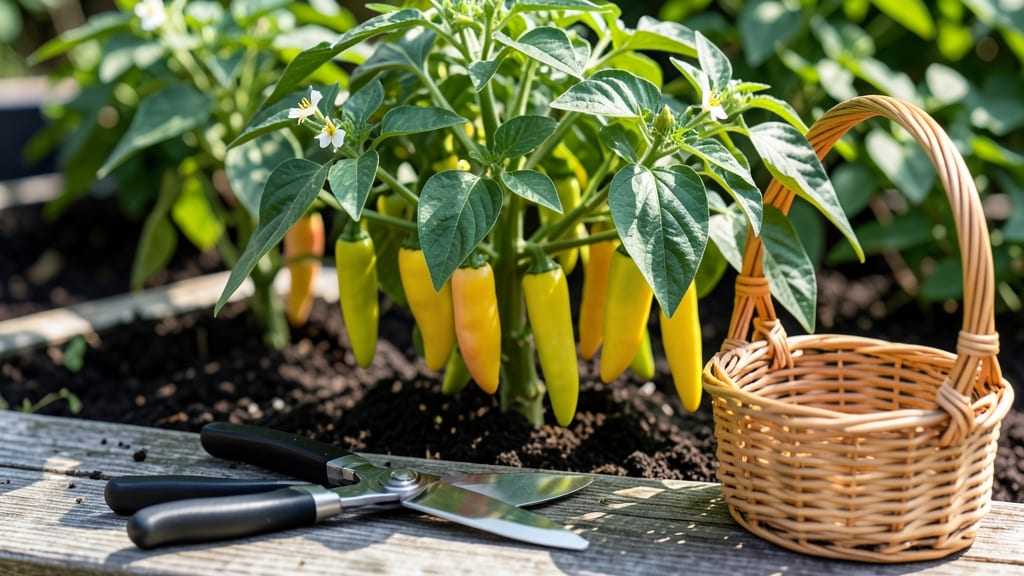
Yes, you can pickle banana peppers by slicing them thin, packing into sterilized jars with vinegar, salt, garlic, and spices, then processing in a water bath for 10-15 minutes. The fermentation time for crunchy pickles is 3-5 days in a brine solution.
Pickling banana peppers transforms their natural sweetness into a tangy, crunchy snack perfect for charcuterie boards or sandwiches. 🌶️ The key to success lies in the brine composition—vinegar acts as a natural preservative while salt draws out moisture, creating the ideal environment for flavor infusion.
Unlike quick-pickling, which delivers results in hours, fermentation develops deeper complexity over days, especially when using garlic and dill. I’ve found that adding a pinch of red pepper flakes to the brine enhances the heat without overpowering the delicate banana pepper flavor.
For best results, use a 1:1 vinegar-to-water ratio and ensure your jars are completely submerged during the water bath process. This method not only extends shelf life but also maintains the peppers' signature crunch.
Once fermented, store your pickled banana peppers in the refrigerator for up to 6 months, though they’ll likely disappear much sooner!
💡 In This Article
- Banana Pepper Fermentation Science and Flavor Development
- Best Banana Pepper Pickling Recipes and Storage Tips
Banana pepper fermentation science and flavor development
Fermenting banana peppers relies on lactic acid bacteria (LAB), which naturally reside on the pepper skin. These microscopic organisms convert the peppers' sugars into lactic acid, creating that signature tangy flavor while preserving the peppers. Unlike vinegar-based quick pickling, fermentation takes 3-5 days, allowing the bacteria to build gradually.
This process also softens the peppers slightly while maintaining their signature crunch—thanks to the peppers' high pectin content, which resists complete breakdown during fermentation. 🔥
The heat level of banana peppers actually decreases slightly during fermentation due to the breakdown of capsaicin compounds. Fresh banana peppers typically register around 1,000-5,000 Scoville units, but fermented versions often feel milder (500-2,000 Scoville units) because the process reduces capsaicin solubility.
For extra heat, add ½ teaspoon red pepper flakes to the brine before fermentation begins. The texture remains firm because the fermentation environment stays acidic enough to prevent excessive softening.
Quick-pickling (using vinegar) delivers ready-to-eat peppers in 24 hours, but lacks the depth of fermented versions. Fermented peppers develop complex umami notes from the garlic and dill, while quick-pickled versions taste brighter but simpler.
The key difference lies in the microbial activity—fermentation creates a living ecosystem in the jar, whereas vinegar pickling relies solely on acid preservation. For best results, maintain a 1.5-2% salt brine during fermentation to encourage LAB growth while inhibiting harmful bacteria.
Time also affects color development. Fresh banana peppers are bright yellow, but fermented versions often develop subtle greenish hues from chlorophyll breakdown. This color shift indicates proper fermentation and adds visual appeal.
The longer you ferment (up to 7 days), the more pronounced the tangy flavor becomes, though flavor peaks around 5 days before becoming overly sour. For a balance of crunch and tang, aim for 4-5 days of fermentation at 60-70°F—warmer temperatures speed up fermentation but may reduce crunch.
Consider these fermentation variables for optimal results:
- Salt level: 1.5% brine (1.5 tbsp salt per quart) promotes safe fermentation
- Temperature: 60-70°F is ideal—warmer temps ferment faster but may soften peppers
- Submersion: Ensure peppers stay completely submerged to prevent mold growth
- Garlic ratio: 2-3 cloves per quart enhances flavor without overpowering
What most people don't realize is that the fermentation process actually enhances the peppers' natural sweetness while adding a subtle funkiness from the bacteria. This dual flavor profile makes fermented banana peppers particularly versatile—perfect for sandwiches, salads, or as a crunchy topping for charcuterie boards.
The science behind this transformation turns simple peppers into a complex, flavorful condiment! ✨