
Pests
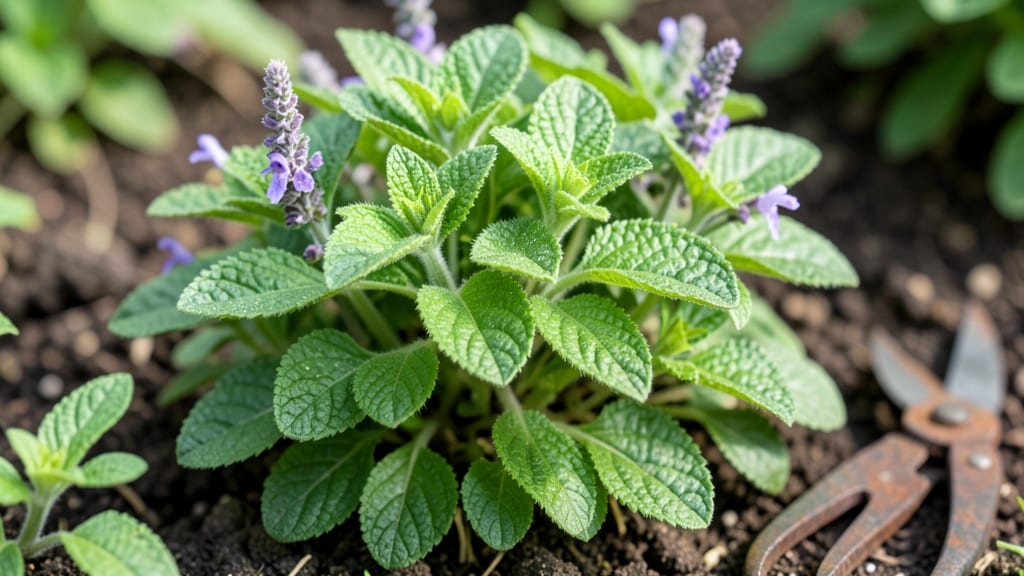
Peppermint oil deer repellent keeps those four-legged garden raiders at bay without harsh chemicals. 🌿 I learned the hard way that deer will munch anything—until they catch a whiff of this potent, minty barrier that works in hours, not days.
The best part? It’s non-toxic, budget-friendly, and leaves your yard smelling fresh instead of chemical-laden.
You only need three simple ingredients: 10 drops of pure peppermint oil, 1 quart of water, and a spray bottle. Mix it up, shake well, and apply to garden edges, shrubs, and high-traffic areas where deer love to graze.
Reapply after rain or every 7-10 days—it’s that effective. The strong scent confuses their sensitive noses, sending them straight to the next buffet.
What you’ll get is a visible difference in days: fewer chewed plants, no more vanished hostas, and a garden that stays lush without toxic residue. Plus, it’s safe for pets and kids once fully dried—just avoid spraying on edible plants directly.
The only downside? Heavy rain washes it away faster, so keep a fresh batch handy.
For extra staying power, layer it with other deer deterrents like garlic spray or motion-activated lights. This combo keeps your garden deer-free all season without breaking the bank. Ready to reclaim your yard? Let’s spray!
📚 In This Guide
- What you need
- Instructions
- Tips and common mistakes
- Wrapping up and next steps
What you need
- ● Peppermint essential oil – 100% pure, therapeutic grade (1 oz / 30 mL). Note: Avoid diluted or synthetic versions.
- ● Carrier oil – Choose one of the following: coconut oil, olive oil, or vegetable oil (½ cup / 120 mL). Carrier oils help disperse the peppermint oil safely.
- ● Spray bottle – 8 oz (240 mL) or larger, made of glass or BPA-free plastic (to avoid chemical reactions).
- ● Water – Distilled or boiled and cooled (1 cup / 240 mL). Tap water may contain minerals that reduce effectiveness.
- ○ Optional scent booster – Citrus oil (lemon, orange, or grapefruit) (5-10 drops). Adds extra repellent power.
- ● Measuring spoons/cups – For precise mixing (¼ cup, ½ cup, 1 tsp increments).
- ● Funnel – To avoid spills when transferring oils into the spray bottle.
- ● Stirring utensil – A wooden spoon or silicone spatula (avoid metal to prevent oxidation).
- ● Labeling tape & marker – To mark your spray bottle as "PEPPERMINT REPELLENT – KEEP AWAY FROM CHILDREN".
- ○ Gloves (optional) – Nitrile or latex-free if you have sensitive skin.
- ○ Safety goggles (optional) – If spraying near eyes or in windy conditions.
- ● Work in a well-ventilated area – Peppermint oil is potent; avoid inhaling fumes directly.
- ● Test on a small area first – Spray a tiny amount on plants or surfaces to check for reactions.
- ● Avoid direct sunlight storage – Keep the repellent in a cool, dark place to preserve potency.
- ● Keep away from pets – While peppermint is safe for deer, it can be toxic to cats in high concentrations.
Step-by-Step instructions for creating a peppermint oil deer repellent barrier
This method keeps deer away without overpowering your yard—just mix, spray, and enjoy the results.
🌿 Step 1: Gather Your Repellent Materials
You’ll need 1 cup of pure peppermint essential oil (the stronger, the better), 1 gallon of water, and 1 tablespoon of dish soap (to help the mixture stick). I like to use a spray bottle or a garden sprayer for even coverage—just avoid anything that’ll rust or degrade from oils.
Fill your sprayer with the 1 gallon of water, then add the 1 tablespoon of dish soap. Shake gently to combine before adding the peppermint oil. Too much soap can irritate plants, so stick to this ratio. I always test a small area first to check for sensitivity.
💧 Step 2: Mix the Repellent and Test for Effectiveness
Add the 1 cup of peppermint oil to the water-soap mixture and shake vigorously for 30 seconds to fully blend. The scent should be strong but not overpowering—this is key for deer deterrence. If you’re working in a breezy area, add an extra ½ teaspoon of dish soap to help the spray cling.
Before spraying large areas, test a small patch of grass or foliage (like a dandelion or weed) to ensure the mixture doesn’t harm plants. Wait 24 hours to confirm no browning or wilting occurs. If all looks good, you’re ready to proceed.
✂️ Step 3: Apply the Repellent Strategically
Focus on high-traffic deer paths, garden edges, and areas where deer browse (like young trees or veggie patches). Spray in a light, even mist—don’t drench the area, or the oil will wash away too quickly. I like to work in sections of 10x10 feet for consistency.
Reapply every 3-5 days or after heavy rain, as the scent fades. Deer rely heavily on smell, so freshness is critical. For extra protection, add a few drops of citrus oil (like lemon or orange) to confuse their senses further.
☀️ Step 4: Maintain the Barrier and Monitor Results
Check your repellent zones daily for the first week to ensure deer aren’t adapting. If you notice them lingering near treated areas, increase the peppermint oil to 1½ cups per gallon for a stronger scent. Avoid spraying on windy days—it’ll disperse too quickly.
Over time, deer will learn to avoid the scent. If you stop using the repellent, they may return within 2-3 weeks. For long-term protection, rotate with other natural deterrents like garlic spray or predator urine (if available).
Tips & tricks for effective deer repellent application
Here's what I've learned after testing this method in my own yard—these small tweaks make all the difference.
Ingredient Quality Matters: Use the strongest pure peppermint essential oil you can find—some brands are diluted with carrier oils. I've noticed that cheaper oils lose effectiveness faster, requiring more frequent reapplications. The 1 cup measurement is critical: don't substitute with peppermint extract or flavoring, as these won't repel deer effectively.
Mixing Technique: When shaking the mixture for 30 seconds in Step 2, use short bursts rather than continuous shaking. This helps distribute the oil more evenly without creating suds from the dish soap. I also recommend wearing gloves—peppermint oil can be quite potent and may irritate skin.
Application Strategy: For the 10x10 foot sections mentioned in Step 3, create overlapping patterns when spraying. Think of it like mowing a lawn—each pass should overlap the previous one by about 2 inches. This ensures consistent coverage, especially along garden edges where deer are most likely to browse.
Weather Awareness: The 3-5 day reapplication window can shift based on weather. After heavy rain, you might need to reapply sooner—water can dilute the scent. On hot days, the oil evaporates faster, so check your treated areas daily during summer months. I've found that morning applications work best, as cooler temperatures help the scent linger.
Pro Tips for Peppermint Oil Deer Repellent
- Here's what I've learned after testing this method in my own yard—these small tweaks make all the difference.
- Ingredient Quality Matters: Use the strongest pure peppermint essential oil you can find—some brands are diluted with carrier oils.
- Mixing Technique: When shaking the mixture for 30 seconds in Step 2, use short bursts rather than continuous shaking.
Frequently asked questions
Got questions about using peppermint oil as a deer repellent?
You’re not alone! Here are some of the most common concerns—and straightforward answers—to help you get the most out of this natural solution.
How long does peppermint oil deer repellent last before needing reapplication?
Peppermint oil’s effectiveness typically lasts 1–3 weeks, depending on weather conditions. Rain, wind, or heavy foot traffic can shorten its lifespan. For best results, reapply every 7–10 days, especially after rain or if deer start lingering again. A quick spritz in the early morning or evening helps maintain its potency.
Will peppermint oil harm plants, pets, or wildlife besides deer?
Peppermint oil is generally safe for most plants when used in moderation, but it can be toxic to pets (especially cats) if ingested or applied directly to their fur. For wildlife, it’s non-toxic but may repel beneficial insects like bees or butterflies. Always spot-test on plants and keep pets away from treated areas until the oil dries. Dilute further (1:10 ratio) if using near edible gardens.
How soon after applying peppermint oil will deer stay away?
Deer usually notice and avoid the scent within hours, but some may take up to 24–48 hours to fully steer clear. For faster results, apply on a windless day and reapply after rain. Combine it with other deterrents (like motion-activated lights) for extra protection, especially in high-traffic areas.
Does peppermint oil work in extreme heat or cold?
Peppermint oil remains effective in moderate temperatures (40°F–85°F), but extreme heat can cause it to evaporate faster, while cold may slow its scent dispersion. In freezing temps, use a higher concentration (2–3%) and reapply more frequently. For scorching summers, apply in the early morning or late evening to preserve its strength.
What’s the best alternative if peppermint oil doesn’t work for my deer problem?
If deer ignore peppermint oil, try these natural or commercial alternatives:
- Garlic or rotten eggs: Strong smells deer dislike (use sparingly near plants).
- Commercial repellents: Look for plant-based options like Liquid Fence or Deer Out.
- Physical barriers: Fencing (8+ feet tall) or netting over gardens.
- Ultrasonic devices: High-frequency sounds that disrupt deer activity.
Rotate methods to prevent deer from adapting to one scent or tactic.
Wrapping up and next steps
Peppermint oil deer repellent offers a simple, natural, and effective way to keep deer away from your garden or property—without harsh chemicals or strong smells. 🌿 With just a few household items and a little effort, you can create a barrier that works in hours and keeps those hungry visitors at bay.
Ready to give it a try? Start small with a test patch in an inconspicuous area, monitor results, and expand as needed. Your garden (and your veggies!) will thank you!
Pro tip: 💡 Keep a spray bottle handy for quick touch-ups after rain—consistency is key!