
Vegetables
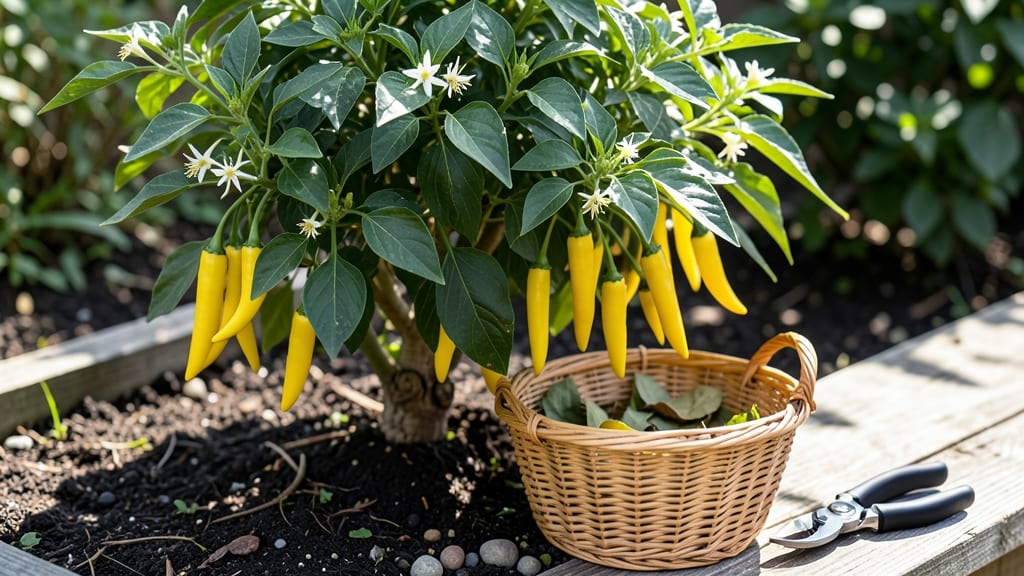
Growing yellow chili peppers unlocks a harvest that’s shockingly bright and packed with heat—way beyond what store-bought peppers offer. 🌶️ I’ve grown them for years, and the secret isn’t just patience; it’s matching their tropical roots to your climate’s heat zones.
These peppers thrive in zones 9-11 but can be coaxed into cooler areas with the right tricks, like container growing or season extension. The first step is soil—yellow chilies demand well-draining, slightly acidic mix (think 6.0-6.8 pH) loaded with compost. Too much nitrogen? You’ll get leafy monsters with no peppers.
Too little water? The fruits turn bitter. I’ve perfected a drip irrigation schedule that keeps roots happy without drowning them, and the payoff is vibrant, sunburst-yellow peppers that ripen faster than their red cousins.
By midsummer, you’ll be snipping peppers that range from mild banana peppers to blistering habanero heat. The key is consistent warmth (65°F+ for germination) and pruning aggressively—pinch off early flowers to boost bushier growth. Pests?
Aphids and spider mites love them too, but neem oil keeps them at bay. Works for containers, raised beds, or in-ground—even indoors with grow lights. Here’s how to turn your heat zone into a pepper powerhouse.
Why it happens
Yellow chili peppers may seem like a natural part of their ripening process, but sometimes their color shift isn’t due to maturity—and that’s when gardeners should pay attention. Understanding the root causes behind premature or unusual yellowing helps you correct issues before they harm your harvest.
Here’s why your peppers might be turning yellow, broken down by the real culprits.
Chili peppers thrive in warmth, but extreme heat or sudden temperature drops can shock them into turning yellow. These plants prefer consistent daytime temperatures between 70–85°F (21–29°C), with cooler nights (around 60–68°F / 15–20°C).
When temperatures spike above 90°F (32°C) or drop below 50°F (10°C), peppers may yellow as a stress response.
Why it happens:
- Heat stress: High temperatures disrupt chlorophyll production, causing leaves and peppers to yellow. The plant conserves energy by shedding less critical parts.
- Cold damage: Frosts or chilly nights slow metabolic processes, leading to nutrient deficiencies and yellowing. Chili peppers are not frost-tolerant—even brief exposure to 32°F (0°C) can trigger yellowing.
- Poor air circulation: Stagnant, hot air in greenhouses or crowded gardens traps excess heat, accelerating stress symptoms.
Actionable fix: Provide shade cloth during heatwaves and use row covers or cold frames in cooler climates. Space plants 18–24 inches apart to improve airflow. Mulch with straw or grass clippings to regulate soil temperature.
Watering is a delicate balance for chili peppers. Yellowing often signals either drought stress or overwatering, both of which disrupt nutrient uptake and lead to chlorosis (yellowing).
Why it happens:
- Underwatering: Peppers need 1–1.5 inches (2.5–4 cm) of water per week. When soil dries out, roots struggle to absorb nutrients, causing yellow leaves (especially on older foliage).
- Overwatering: Soggy soil cuts off oxygen to roots, leading to root rot (a fungal/bacterial infection). Yellowing starts at the youngest leaves and spreads upward as roots fail.
- Inconsistent moisture: Alternating between dry and soaked soil confuses the plant, mimicking drought stress even if water is present.
Actionable fix:
- Water deeply 2–3 times per week (adjust for climate), aiming for moist (not soggy) soil. Use a moisture meter or stick your finger 1 inch into the soil—if it’s dry, water.
- Improve drainage by amending soil with compost or perlite and planting in raised beds if your garden retains water.
- Mulch heavily to retain moisture and prevent temperature swings.
Yellow chili peppers can also signal a lack of essential nutrients, particularly nitrogen, magnesium, or iron. These deficiencies disrupt chlorophyll synthesis, leading to interveinal yellowing (yellowing between leaf veins) or uniform yellowing.
Why it happens:
| Nutrient Deficiency | Symptoms | Cause |
|---|---|---|
| Nitrogen (N) | Uniform yellowing of older leaves (starting at leaf tips). Stunted growth. | Poor soil fertility, overwatering leaching nutrients, or excessive pruning. |
| Magnesium (Mg) | Yellowing between veins on older leaves (interveinal chlorosis). Brown patches may appear. | Acidic soil (pH < 6.0), over-fertilization with nitrogen, or poor root health. |
| Iron (Fe) | Yellowing on young leaves (new growth). Veins remain green. | Alkaline soil (pH > 7.0), compacted soil, or overwatering. |
| Potassium (K) | Yellowing or browning at leaf edges (scorching). Weak stems. | Excessive nitrogen, drought stress, or poor soil structure. |
Actionable fix:
- Test your soil’s pH (ideal range: 6.0–6.8) and amend with lime (to raise pH) or sulfur (to lower pH) as needed.
- Apply a balanced fertilizer (10-10-10) or a compost tea to replenish nitrogen. For magnesium, use Epsom salt (1 tbsp per gallon of water) every 4–6 weeks.
- Use chelated iron supplements if chlorosis persists in alkaline soil.
Hidden pests or soil-borne diseases can rob your chili peppers of nutrients, causing yellowing before you notice other symptoms. Root damage disrupts water and nutrient uptake, leading to systemic decline.
Why it happens:
- Root-knot nematodes: Microscopic worms burrow into roots, creating galls that block nutrient absorption. Yellowing starts on lower leaves and spreads upward.
- Fungal root rot (e.g., Phytophthora, Pythium): Thrives in waterlogged soil, causing roots to rot. Leaves yellow and wilt, even with adequate water.
- Aphids or spider mites: While they target leaves, severe infestations weaken the plant, reducing its ability to photosynthesize and transport nutrients.
Actionable fix:
- Inspect roots when transplanting—healthy roots are white/firm. Discard plants with dark, mushy, or gnarled roots.
- Rotate crops annually to prevent nematode buildup. Plant marigolds or nematode-resistant varieties (like Capsicum annuum) as traps.
- Apply neem oil or insecticidal soap for leaf pests. For fungal issues, use copper fungicide and improve drainage.
💡 Pro Tip: Keep a garden journal to track when yellowing starts. Note weather patterns, watering schedules, and fertilizer applications—this helps pinpoint the exact cause next time!
Fixing Common Chili Growing Woes
Growing fiery yellow chili peppers can be incredibly rewarding, but even the most experienced gardeners face challenges. Don’t let problems like stunted growth, poor fruit set, or disease derail your harvest—here’s how to diagnose and fix the most common issues with practical, step-by-step solutions.
Cause: Poor soil nutrition, overcrowding, or inadequate sunlight. Fix It:
- Boost nutrients with a balanced fertilizer (like 10-10-10) or compost every 4-6 weeks. 💡 Pro tip: Chilies love phosphorus and potassium—look for a fertilizer with higher middle and end numbers (e.g., 5-10-10).
- Thin plants if they’re packed too closely (12-18 inches apart for most varieties). Overcrowding steals sunlight and air circulation.
- Check sunlight—yellow chilies need 6+ hours of direct sun daily. Move potted plants to a sunnier spot or prune nearby shade sources.
Prevent it:
- Start with well-draining, fertile soil (mix in perlite or coconut coir if needed).
- Test soil pH (ideal: 6.0–7.0 for most chilies).
Cause: Temperature swings, lack of pollinators, or nutrient imbalances. Fix It:
- Hand-pollinate if bees are scarce: Gently shake plants or use a small brush to transfer pollen between flowers. 🐝
- Adjust temperatures—chilies thrive in 70–85°F (21–29°C). Use shade cloth if temps exceed 90°F (32°C).
- Feed with calcium (crushed eggshells or calcium nitrate) to prevent blossom end rot or drop.
Prevent it:
- Plant near pollinator-friendly flowers (e.g., marigolds, basil).
- Avoid over-fertilizing with nitrogen—it promotes leaves over fruit.
Cause: Aphids, spider mites, bacterial spots, or fungal infections (like powdery mildew). Fix It:
- Spot-treat pests early:
- Aphids/spider mites: Spray with neem oil or insecticidal soap (repeat every 5–7 days). 🌿
- Bacterial spots: Remove infected leaves, improve airflow, and apply copper fungicide.
- Powdery mildew: Wipe leaves with a baking soda solution (1 tsp baking soda + 1 quart water + a drop of dish soap).
- Quarantine infected plants to prevent spread.
Prevent it:
- Rotate crops yearly to avoid soil-borne diseases.
- Water at the base (avoid wetting foliage) to deter fungal growth.
Cause: Extreme temperatures (below 50°F/10°C or above 95°F/35°C). Fix It:
- Cold stress? Move potted plants indoors or use row covers. 🏠
- Heat stress? Provide afternoon shade (use shade cloth 30–50%) and mulch to keep roots cool.
- Hardened varieties (like ‘Lemon Drop’ or ‘Apache’) tolerate heat better—choose heat-resistant types for your zone.
Prevent it:
- Start seeds indoors 8–10 weeks before last frost for cooler climates.
- Use black plastic mulch to warm soil in spring.
Cause: Overwatering, nutrient deficiency, or pests. Fix It: - Check watering: Let soil dry 1–2 inches deep between waterings.
Yellow lower leaves = overwatering; crispy edges = underwatering. - Test for deficiencies: - Nitrogen deficiency? Add compost or blood meal. - Magnesium deficiency? Sprinkle Epsom salt (1 tbsp/gallon of water) every 2 weeks.
Prevent it:
- Use self-watering pots or drip irrigation for consistency.
- Monitor leaves for pest trails (e.g., spider mites) on the undersides.
Want hotter, more abundant yellow chilies? Try these growth hacks:
- Prune aggressively after fruiting to redirect energy to new peppers. ✂️
- Harvest regularly—this encourages more blooms.
- Try stress techniques (like slight root pruning) to boost capsaicin production (use cautiously!).
Remember: Chilies are tough but finicky—observe your plants daily and adjust care as they grow. With these fixes, you’ll be on your way to a spicy, bountiful harvest in no time! 🌶️🔥
Frequently asked questions about yellow chili peppers
What’s the difference between yellow chili peppers and other colored varieties?
Yellow chilies aren’t just a different color—they often ripen faster than red or green peppers and tend to have a sweeter, fruitier flavor with less heat. Varieties like 'Lemon Drop' or 'Banana Pepper' are milder, while others like 'Yellow Habanero' pack serious heat. Their vibrant color also means they contain more carotenoids, which may offer extra antioxidants.
Can I grow yellow chili peppers indoors?
Yellow chilies thrive indoors with 6+ hours of sunlight daily (use grow lights if natural light is limited). Choose compact varieties like 'Lemon Pepper' and plant in 5-gallon containers with well-draining soil. Keep temperatures between 70–85°F (21–29°C) and maintain consistent moisture—indoor plants dry out faster than outdoor ones.
Why are my yellow chili peppers turning bitter?
Bitterness usually stems from stress or uneven watering. Yellow chilies need consistent moisture—let soil dry slightly between waterings but never completely. Overwatering or sudden drought can trigger bitter flavors. Also, avoid over-fertilizing with nitrogen (stick to balanced 10-10-10 fertilizer) and ensure they get full sun to prevent stress-induced bitterness.
How do I know when yellow chili peppers are fully ripe?
Ripe yellow chilies should be fully colored (no green patches) and slightly soft to the touch. They’ll also feel heavier for their size. For maximum heat and flavor, wait until they reach peak color—some varieties (like 'Yellow Habanero') may even develop hints of orange or red before fully ripening. Harvest in the morning when flavors are most concentrated.
What’s the best way to store harvested yellow chili peppers?
For short-term storage (1 week), keep them in a paper bag in the fridge to maintain freshness. For long-term storage, dry them in a 175°F (80°C) dehydrator for 4–6 hours or air-dry in a warm, dry place. Once dried, store in an airtight container away from light—properly dried chilies last up to 6 months and retain their vibrant color.