
Shrubs
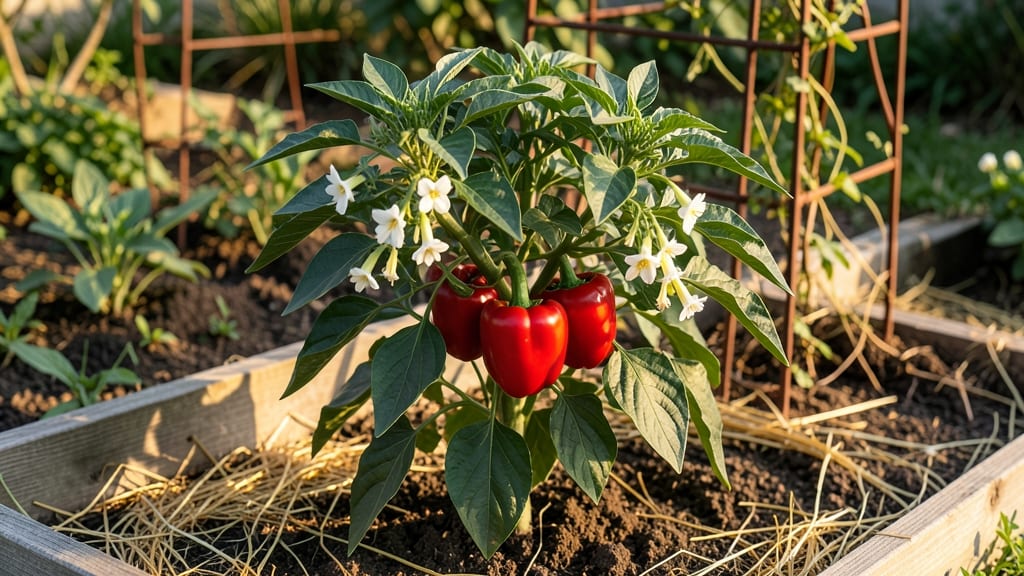
The Red Beauty pepper delivers sweet, fruity heat with every bite—if you give it the long, hot growing season it craves. 🌶️ I learned the hard way that these peppers need more than just sunlight; they demand warmth, patience, and just the right balance of water to ripen into those glossy red beauties.
My first batch took 90 days to mature, but now I know exactly how to coax them along faster.
Start seeds indoors 8-10 weeks before your last frost, using a mix that drains well but holds moisture—think 50% peat, 30% perlite, 20% compost.
These peppers thrive in full sun (6+ hours/day) and temperatures above 70°F, so if you're in a cooler zone, opt for a black plastic mulch or grow them in containers you can move indoors at night.
The key is warmth: they bolt or turn bitter if stressed by cold snaps.
By mid-summer, you'll be harvesting peppers that pack mild to medium heat (2,500-5,000 SHU) with a flavor that's sweeter than jalapeños but with a slow-building kick. Prune suckers regularly to focus energy on fruit, and fertilize lightly with fish emulsion every 3 weeks—overfeeding leads to leafy monsters, not peppers.
The payoff? A vine heavy with 3-5 inch peppers that stay crisp even when fully ripe.
Watch for aphids and pepper maggots—cover young plants with floating row fabric until they're established, and rotate crops yearly to break disease cycles. Harvest when firm and glossy (they won't soften after picking), and store in the fridge for 2 weeks or ferment into sauces.
Trust me, the first time you taste one straight off the vine, you'll replant these every year.
📚 In This Guide
- What you need
- Instructions
- Tips and common mistakes
- Wrapping up and next steps
What you need
- ● Red Beauty pepper seeds – 5–10 seeds (or 1–2 plants if buying seedlings). Choose from reputable seed suppliers for the best quality.
- ● Containers or garden bed – 5–6 gallon pots (if container gardening) or a sunny, well-draining garden spot (6+ hours of sunlight daily).
- ● High-quality potting mix – 10–15 lbs of organic, well-draining soil amended with compost (avoid heavy clay).
- ● Fertilizer – Balanced organic fertilizer (e.g., 10-10-10) or a slow-release pepper-specific blend. Follow package instructions for application rates.
- ○ Support structure – Small stakes or cages (optional but helpful for larger plants).
- ● Watering can or hose with a gentle spray nozzle – Keep soil consistently moist but not soggy.
- ○ Mulch (optional but recommended) – Straw or shredded leaves to retain moisture and suppress weeds.
- ● Gloves – Protect your hands from spicy sap (wear them when handling plants!).
- ● Trowel or small shovel – For transplanting seedlings or amending soil.
- ● Pruning shears – To trim excess foliage and encourage fruit production.
- ○ Spray bottle (optional) – For misting seedlings if humidity is low.
- ○ pH testing kit (optional) – Ideal soil pH for peppers: 6.0–6.8. Adjust with lime or sulfur if needed.
- ● Patience & warmth! – Red Beauty peppers thrive in 75–90°F temperatures. Start indoors 8–10 weeks before the last frost if in a cool climate.
Step-by-step guide to cultivating Red Beauty peppers
This heat-loving variety rewards patience with sweet, blocky red peppers—here's how to coax their full potential.
🌱 Step 1: Start Seeds Indoors 8-10 Weeks Before Last Frost
Fill 2-3 inch deep seed trays with sterile seed-starting mix and sow Red Beauty seeds ¼ inch deep. These peppers need warmth to germinate, so place trays on a heat mat set to 75-85°F. Keep the soil consistently moist but never soggy—pepper seeds rot easily when overwatered.
Cover the tray with plastic wrap to maintain humidity, then place under grow lights 12-14 hours daily. You'll see sprouts in 7-14 days, but don't be surprised if germination takes longer in cooler homes. Once seedlings emerge, remove the plastic immediately to prevent damping-off.
☀️ Step 2: Harden Off and Transplant After All Frost Risk Passes
Two weeks before your last frost date, begin hardening off seedlings by placing them outside in partial shade for 1-2 hours daily. Gradually increase exposure over 7-10 days, watching for any leaf scorch. Red Beauty peppers are sensitive to cold—never transplant until soil temperatures reach 65°F+.
Choose a location with full sun (6+ hours daily) and well-draining soil. Amend heavy clay with compost to improve drainage—waterlogged roots cause blossom-end rot, a common pepper problem. Space plants 18-24 inches apart in rows 2 feet apart to allow airflow and prevent disease.
💧 Step 3: Water Deeply and Fertilize for Maximum Yield
Water at the base 1-2 inches deep every 2-3 days, adjusting for heat. Red Beauty peppers need consistent moisture but hate soggy feet—water in the morning so foliage dries by evening. Use a soaker hose to avoid wetting leaves, which reduces disease risk.
Feed plants with a balanced 10-10-10 fertilizer every 2-3 weeks starting when flowers appear. These peppers are heavy producers—look for first fruits in 70-80 days from transplant. If blossoms drop without setting fruit, your nights may be too cool (below 60°F)—try hand-pollinating with a small brush.
✂️ Step 4: Prune and Support for Healthier Plants
Remove suckers (shoots in leaf axils) to direct energy to fruit production. Pinch off the first flower cluster to encourage stronger stem growth—this helps plants support their heavy pepper loads. Install cages or stakes early to prevent sprawling, especially in windy conditions.
Harvest when peppers reach 3-4 inches long and turn deep red for best flavor. Use pruning shears to cut stems ¼ inch above the fruit—this prevents disease entry through torn stems. Store harvested peppers at 55-60°F for up to 2 weeks; they don't ripen further after picking.
Tips & tricks for cultivating Red Beauty peppers
These heat-loving beauties demand attention to detail—but the payoff is worth every minute. Here's how to avoid common pitfalls and maximize your harvest.
Germination Strategy: The 75-85°F heat mat is non-negotiable for Red Beauty seeds. I've seen germination fail completely when temps dip below 70°F—don't skip this step! Place a thermometer on the heat mat to monitor temps precisely, especially in cooler homes. If your home stays below 70°F, consider using a seedling heat mat with built-in thermostat for consistency. The 12-14 hours of grow light daily is equally critical—these peppers need strong light from day one to develop sturdy stems.
Harden Off Gradually: The 1-2 hour daily progression in Step 2 is where many gardeners rush and regret it. Red Beauty peppers are particularly sensitive to temperature swings. Start with just 1 hour on day one, then add 30 minutes each subsequent day. Watch for leaf scorch—if you see yellowing or crispy edges, you've moved too quickly. Also, harden off in partial shade to protect tender seedlings from intense afternoon sun, which can cause sunburn even when temps seem mild.
Soil Temperature Check: Never transplant until soil reaches 65°F+, but how do you know? Stick a thermometer in the ground where you'll plant—topsoil temps can be misleading. I've planted too early when surface temps were warm but deeper soil was still cool, leading to stunted growth. For heavy clay soils, mix in compost to improve drainage and warm up faster. The 65°F threshold ensures roots establish quickly rather than struggling to adapt to cooler conditions.
Pruning Precision: When removing suckers in Step 4, be surgical about it—use clean pruning shears to cut at a 45-degree angle just above a leaf node. This prevents disease entry points while encouraging new growth. The first flower cluster pinch is often overlooked, but it's crucial for Red Beauty's blocky shape. Without this step, you'll end up with long, spindly peppers rather than the bold, blocky beauties this variety is known for.
Pro Tips for Red Beauty Pepper
- These heat-loving beauties demand attention to detail—but the payoff is worth every minute.
- Germination Strategy: The 75-85°F heat mat is non-negotiable for Red Beauty seeds.
- Harden Off Gradually: The 1-2 hour daily progression in Step 2 is where many gardeners rush and regret it.
Frequently asked questions
How long does it take for Red Beauty peppers to mature?
Red Beauty peppers typically take 75–90 days to reach maturity from transplanting. Since they’re a Capsicum annuum variety, they need plenty of heat (both soil and air) to thrive. Start seeds indoors 8–10 weeks before your last frost for a head start.
Can Red Beauty peppers grow in cooler climates?
These peppers love heat and struggle below 60°F (15°C). If you’re in a cooler zone, grow them in containers and move them indoors during cold snaps. Use black plastic mulch or row covers to retain warmth. For extra oomph, consider a greenhouse or grow lights.
Why aren’t my Red Beauty peppers turning red?
Red Beauty peppers need full sun (6–8+ hours daily) and consistent warmth to ripen. If they’re staying green or turning yellow, check for:
- Cool temps (below 70°F/21°C)
- Inconsistent watering (drought stress delays ripening)
- Nutrient deficiencies (add a balanced fertilizer like 10-10-10)
How spicy are Red Beauty peppers, and how can I reduce the heat?
Red Beauty peppers clock in at 25,000–50,000 Scoville units (hotter than jalapeños but milder than habaneros). To mellow them:
- Add acid (lemon juice, vinegar) when cooking
- Mix with dairy (cheese, yogurt, milk)
- Remove seeds/membranes (where most capsaicin lives)
What can I plant near Red Beauty peppers to improve growth?
Companion planting boosts yields! Try these pairings:
- Potatoes (repel pests)
- Marigolds (deter aphids)
- Onions/garlic (natural fungicides)
Wrapping up and next steps
Growing red beauty pepper is a rewarding journey—packed with vibrant flavors, bold heat, and a sense of accomplishment! Whether you're a seasoned gardener or a curious beginner, this heat-loving variety thrives with the right care, patience, and a dash of passion. 🌶️✨
Now that you’re armed with the perfect tips to nurture your plants, it’s time to roll up your sleeves and get growing.
Plant your seeds, tend to your peppers, and soon you’ll be harvesting a fiery harvest to spice up your favorite dishes. Happy gardening, and may your peppers be plentiful and delicious!
Next step: Mark your calendar for planting and stay tuned for updates on your pepper’s progress—your kitchen’s about to get a whole lot spicier! 🔥